
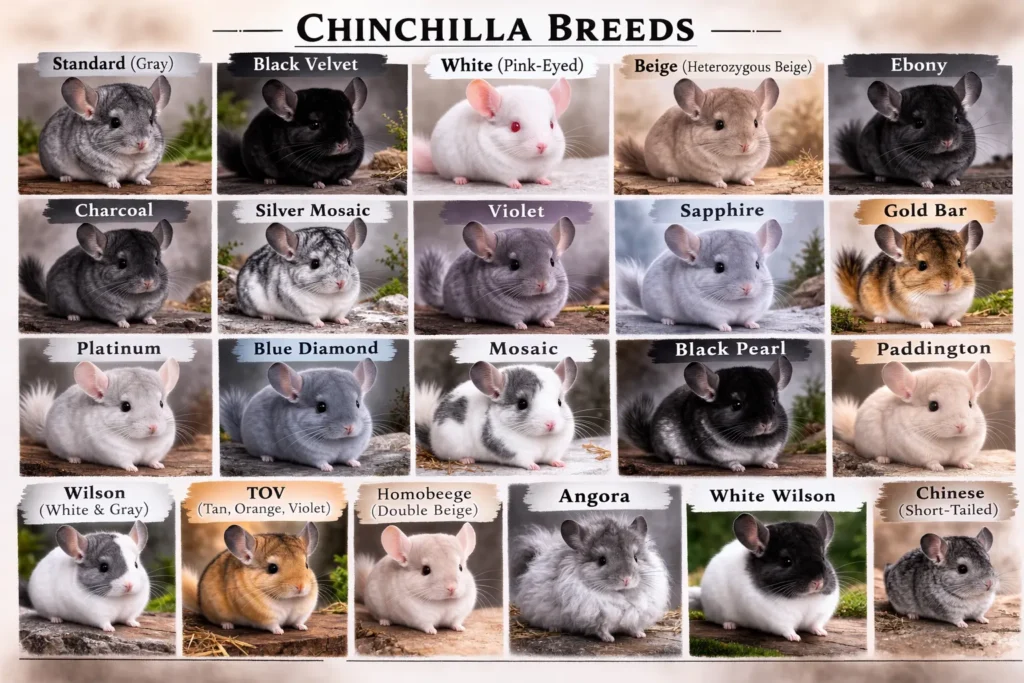
There are two main chinchilla breeds kept as pets: the Short-tailed chinchilla (Chinchilla chinchilla) and the Long-tailed chinchilla (Chinchilla lanigera). Most chinchillas you see in pet stores today are Long-tailed chinchillas or hybrids of the two. They look similar, but there are some real differences worth knowing before you bring one home.
Choosing the right chinchilla breed matters more than people think. It affects personality, size, and even how much care they need. So let’s break it all down.
The Two Main Breeds — What’s the Difference?
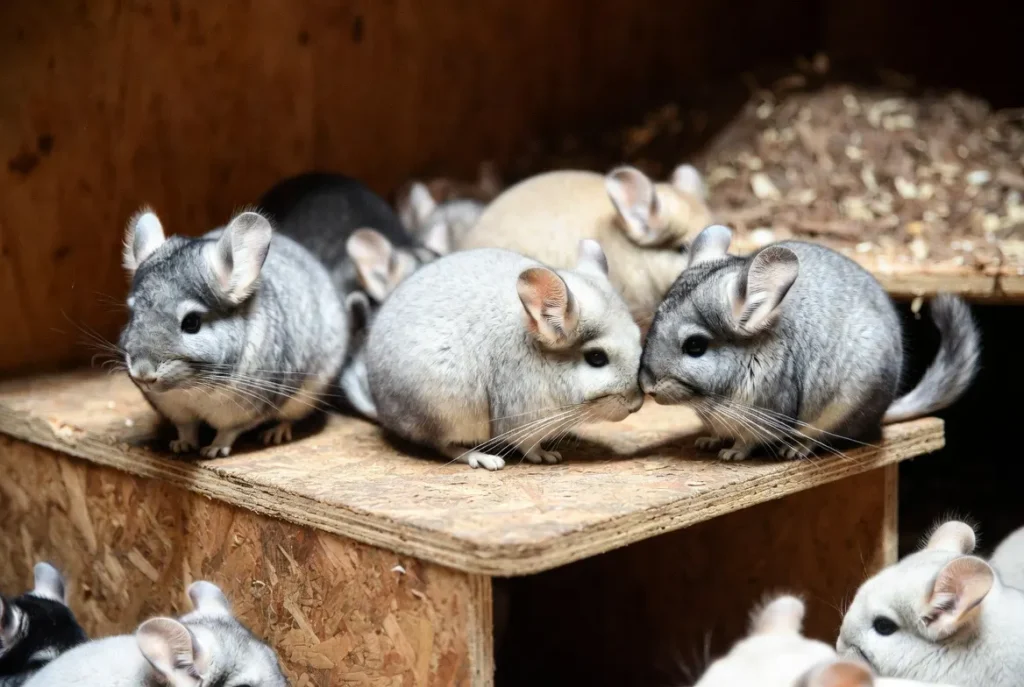
The Long-tailed chinchilla is the one most people know. It’s the standard chinchilla pet you’ll find in the US and UK. It’s smaller, more active, and adapts well to home life. Its tail is longer and its body is slightly leaner.
The Short-tailed chinchilla is bigger and stockier. It’s rarer in the pet trade because it’s nearly extinct in the wild. You’re unlikely to find a purebred Short-tailed chinchilla at a regular pet store.
Both breeds share the same dense, incredibly soft fur. That’s one thing they have in common. But in terms of temperament and build, they’re different enough that it’s worth understanding which one you’re getting.
Coat Colors: More Variety Than You’d Expect
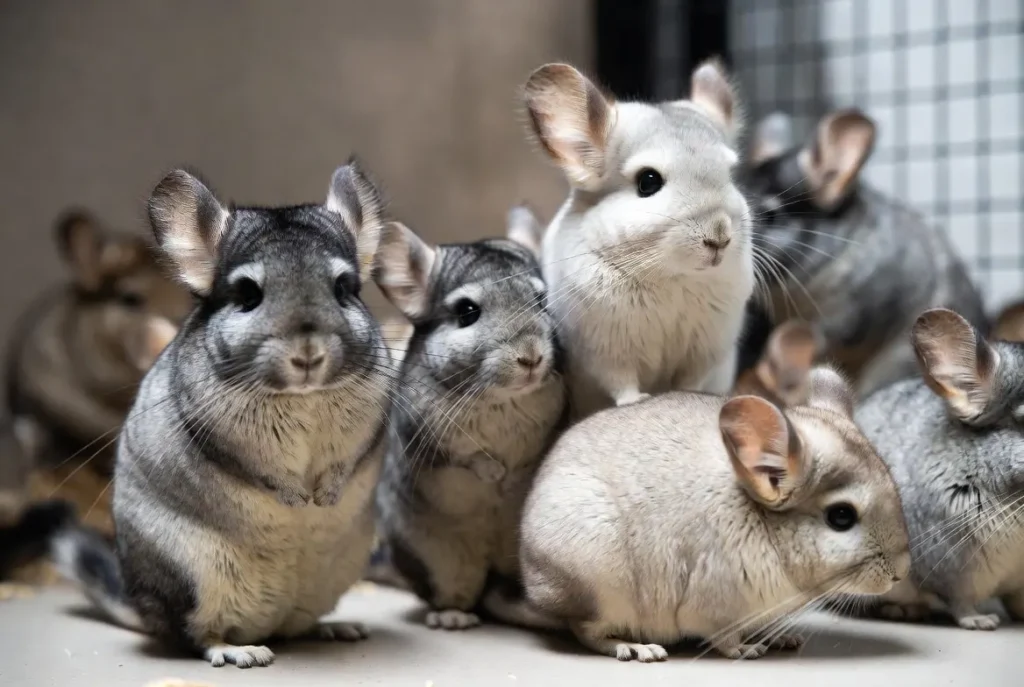
Here’s something that surprises a lot of first-time owners. Chinchillas come in a wide range of colors, all developed through selective breeding. The original wild color is called standard gray — a bluish-gray on top with a white belly.
But breeders have developed dozens of color mutations. Some common ones include:
- White — can be mosaic (patchy), white Wilson, or pink white
- Beige — a warm, sandy tone ranging from light to dark
- Black velvet — dark body with a white belly, very striking
- Violet — a cool lilac-gray, popular with collectors
- Ebony — uniformly dark, one of the more dramatic-looking mutations
Color doesn’t affect personality or chinchilla care needs. But it does affect the chinchilla price significantly, as we’ll talk about below.
What Does a Chinchilla Actually Cost?
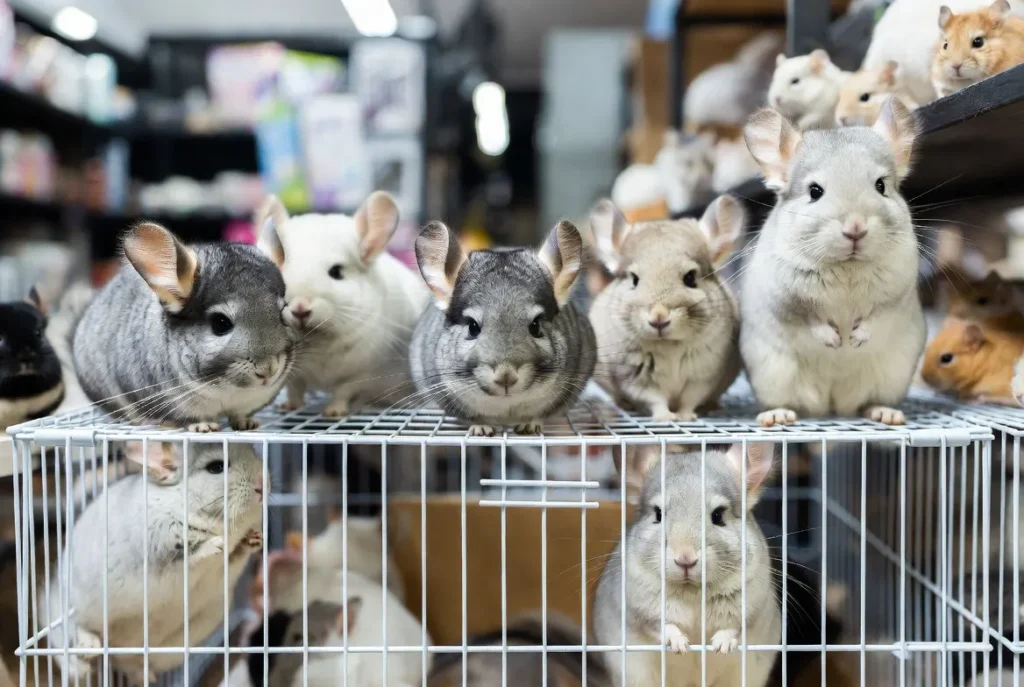
The chinchilla price varies quite a bit. A standard gray chinchilla from a pet store in the US typically runs between $150 and $350. In the UK, expect to pay around £100 to £250 for a basic gray.
Rare color mutations cost more. A violet or sapphire chinchilla from a reputable breeder can run $500 to $800 or higher. Some show-quality animals go for even more than that.
That’s just the purchase price, though. The real cost is the setup. A proper cage, dust bath supplies, food, hay, and a vet visit will easily add another $200 to $400 upfront. And chinchillas live 10 to 15 years, so this is a long-term financial commitment.
Honestly, the chinchilla price shouldn’t be the deciding factor. The ongoing chinchilla care costs matter just as much — if not more.
Read More : Chinchillas for Sale
Chinchilla Care: The Basics Done Right
Chinchilla care is not complicated, but it is specific. These animals have needs that are different from rabbits or guinea pigs, and people sometimes underestimate that.
Temperature is a big one. Chinchillas overheat easily. Keep their environment below 75°F (24°C). Anything above that puts them at real risk. No sunny windowsills, no sitting near radiators.
They also need dust baths, not water baths. Their fur is so dense that water doesn’t dry properly and can cause fungal problems. Use fine volcanic ash or commercial chinchilla dust two to four times a week. Brands like Oxbow and Supreme Petfoods both make reliable options.
Cage size matters a lot. Chinchillas are active and need vertical space to jump and climb. A cage that’s at least 3 feet tall is the minimum. Bigger is always better.
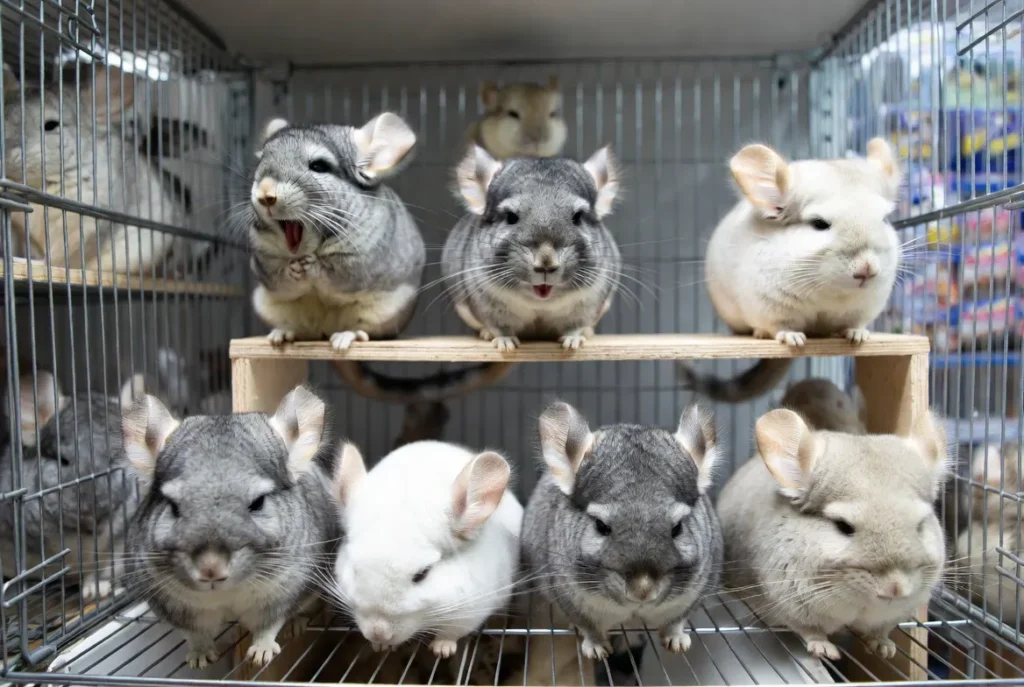
And they’re social animals. Two chinchillas are often happier than one, especially if you’re away from home during the day. Just make sure to introduce them slowly and carefully.
What Should a Chinchilla Eat?
Chinchilla diet is simple in principle: mostly hay, a small amount of pellets, and very limited treats.
Timothy hay should make up the bulk of the chinchilla diet — around 80% of what they eat. It keeps their digestive system running and wears down their constantly growing teeth. Oxbow Timothy Hay and Small Pet Select are two well-regarded brands.
Pellets fill in the nutritional gaps. About one to two tablespoons per day is plenty. Don’t go for the mixes with seeds and dried fruits — those look fun but they’re too high in sugar.
Treats should be rare. A small piece of dried apple or rose hip once or twice a week is fine. Too much sugar causes digestive issues fast. A chinchilla’s gut is sensitive.
Fresh water should always be available. A sipper bottle works better than a bowl — bowls tip over and get dirty quickly.
Are Chinchillas Good Pets for Families?
As a chinchilla pet, they’re fantastic for the right household. They’re clean, quiet, and genuinely fascinating to watch. They don’t shed much in the traditional sense either, though their fur does float around if they’re startled.
They’re not ideal for very young children. Chinchillas are fast, fragile, and don’t always enjoy being held. They can be tamed with patience, but they’re not naturally cuddly the way a guinea pig might be.
They’re also crepuscular, meaning most active at dawn and dusk. If you’re a night owl, you might actually enjoy watching them zoom around their cage in the evening. If not, keep that in mind when placing their cage.
For teens, adults, and families with older kids, a chinchilla pet can be a wonderful, long-lived companion. Just go in with realistic expectations and the right setup.
Where to Find a Reputable Breeder
Skip the impulse buy at a chain pet store if you can. Finding a reputable breeder gives you healthier animals and better genetics. The Mutation Chinchilla Breeders Association (MCBA) in the US is a good starting point for connecting with breeders who take their animals seriously.
In the UK, check the National Chinchilla Society for breeder listings. Ask questions. Any good breeder will be happy to talk about lineage, diet, and health history.
Rescues are also a great route. Many chinchillas end up in rescue centers because owners didn’t know what they were getting into. Adopting one is cheaper and genuinely rewarding.
Health Issues to Watch For
Chinchillas are generally hardy animals, but a few health issues come up regularly.
Dental problems are common. Their teeth grow continuously, and if the chinchilla diet doesn’t include enough hay, teeth can overgrow and cause pain. Signs include drooling, weight loss, and reluctance to eat.
GI stasis — when the gut slows down or stops — is serious and can be fatal quickly. A drop in droppings or a bloated belly needs a vet visit fast.
Fur chewing is a behavioral issue, often linked to stress or boredom. If you notice bald patches on your chinchilla, look at their environment first. Are they getting enough enrichment? Enough space?
Finding a vet who knows exotic small animals before you have an emergency is smart. Not every vet treats chinchillas, so it’s worth locating one in your area early on.
Final Thoughts
Chinchillas are underrated pets. They’re clean, interesting, and surprisingly personable once they warm up to you. Whether you get a standard gray Long-tailed chinchilla or hunt down a rare violet mutation, the fundamentals stay the same.
Get the chinchilla care right. Feed a proper chinchilla diet heavy on hay. Keep the temperature stable. Give them space to move.
The chinchilla price is just the beginning. What matters more is the commitment behind it. These animals can live 15 years or longer — that’s a real relationship, not just a pet.
Do your research, find a good source, and set things up properly before the chinchilla comes home. You’ll be glad you did.

Pingback: The Complete Chinchilla Diet Guide - Animals
Pingback: How Much Does A Chinchilla Cost? - Animals