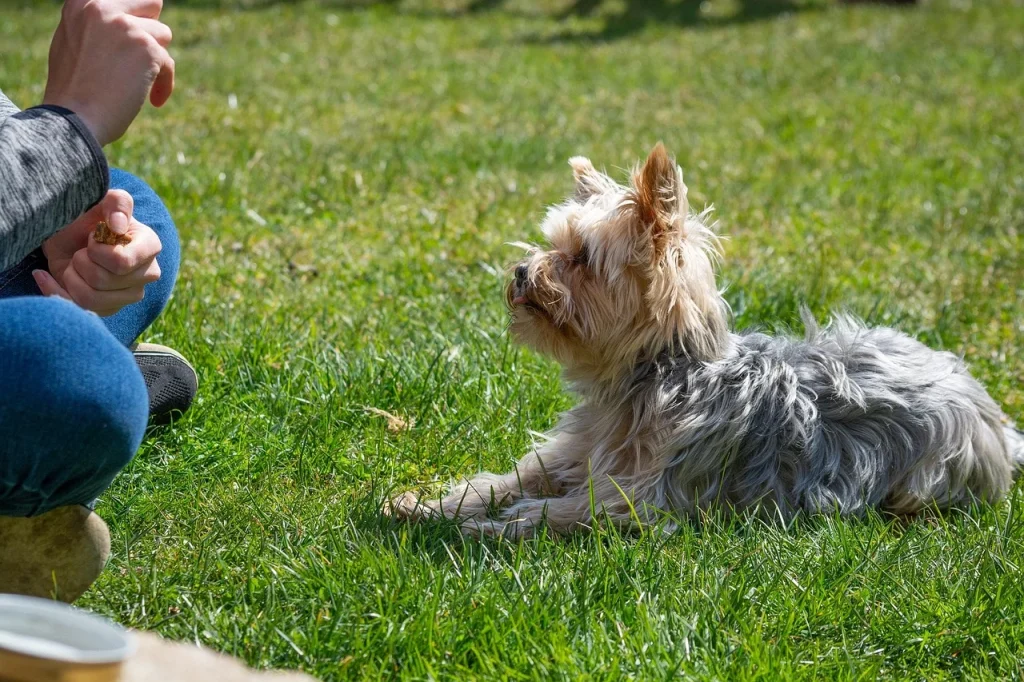

The familiar nudge of a wet nose, the soft thud of a favorite toy dropped at one’s feet, or the expectant gaze of a dog holding a leash—these are universal signals in the language of canine companionship. This daily ritual is not merely a request for a bathroom break; it is an invitation to a shared experience that enriches both lives in ways that extend far beyond the front door. Exercising with a dog is one of the most powerful, mutually beneficial activities an owner can engage in. It is a holistic practice that boosts physical health, enhances mental well-being, and forges an unbreakable bond built on trust, communication, and shared joy.1

This guide explores the profound, science-backed benefits of an active lifestyle shared with a canine partner. It delves into the parallel tracks of well-being for both human and dog, examining the physiological advantages that lead to longer, healthier lives. It uncovers the psychological magic that strengthens the human-animal bond, turning simple caregiving into a dynamic partnership. Furthermore, this report provides a practical roadmap to finding the perfect activities for any dog and owner, complete with a crucial safety checklist to ensure every adventure is a happy and healthy one. The journey begins not as a chore, but as a shared path toward better health and a deeper connection.
The Two-Way Leash: Unpacking the Mutual Health Benefits
The connection felt at both ends of the leash during a walk or run is more than just physical; it represents a symbiotic relationship where the health of one directly and positively impacts the health of the other. An active lifestyle with a dog is a powerful form of preventative medicine, simultaneously addressing the most significant health challenges faced by both humans and their canine companions in the modern world.
A Healthier Heart and Body for You (The Human Benefits)
A dog is the ultimate accountability partner for physical fitness. Unlike a human gym buddy who might accept an excuse, a dog’s needs are consistent and non-negotiable, providing a powerful motivation to get moving every day.2 This consistency is a cornerstone of improved human health. Studies have shown that dog owners are far more likely to meet their daily exercise requirements, with one study finding they are four times more likely to get the recommended 150 minutes of physical activity per week than non-dog owners.2 This increased activity has profound cardiovascular benefits. Research consistently links pet ownership with lower blood pressure, cholesterol, and triglyceride levels—all key indicators of heart disease.1 The American Heart Association has even endorsed dog ownership as a way to help ward off cardiovascular disease, and studies indicate that heart attack patients with pets have better survival rates.1
The benefits extend to metabolic health and weight management. Regular walks can significantly reduce the risk of developing conditions like Type 2 diabetes; one study showed dog owners may face one-third the risk of those who do not own a dog.4 The consistent, low-impact exercise also helps owners shed unwanted pounds. In one remarkable study, public housing residents who walked therapy dogs for up to 20 minutes, five days a week, lost an average of 14.4 pounds in a year without making any other changes to their diets.2 Beyond the cardiovascular and metabolic advantages, activities like walking, running, and even vigorously playing fetch contribute to improved muscle tone, stronger bones and joints, and deeper, more restful sleep.6
A Fitter, Happier Pup (The Canine Benefits)
For dogs, exercise is not a hobby; it is a biological necessity. As Jacqueline Davidson, a Clinical Track Professor at Texas A&M University’s College of Veterinary Medicine & Biomedical Sciences, states, “Exercise is good for maintaining general health, and it helps keep your heart, muscles, and joints strong”.9 A lack of physical activity in dogs leads to a cascade of health problems that mirror those in sedentary humans. Dogs without regular exercise often have poor muscle tone and are more prone to injury, brain ailments, and bone disorders.9
Weight management is a critical component of preventative care for canines. Obesity is one of the most common and serious health issues in pets, acting as a gateway to conditions like diabetes, arthritis, and heart disease.3 Regular, structured exercise helps manage a dog’s weight by burning calories and boosting metabolism, which in turn reduces the physical strain on their joints and vital organs.3 An active dog is a well-oiled machine. Physical activity improves a dog’s organ and lung function, enhances circulation, and promotes overall agility and balance.3 This comprehensive physical conditioning leads to a dog that not only looks and feels better but is also set up for a longer, healthier, and more vibrant life.

The Mind-Body Connection: A Boost for Mutual Well-being
The most profound benefits of exercising together may be the ones that are felt, not just seen. The shared activity triggers a powerful biochemical reaction in both human and canine brains. Research shows that positive interaction and play elevate levels of oxytocin, often called the “love hormone,” which is associated with feelings of bonding and attachment.1 Simultaneously, physical activity releases mood-boosting hormones like serotonin and dopamine.2 This chemical cocktail works to reduce levels of cortisol, the stress hormone, in both species, creating a physiological state of calm and relaxation.5
For humans, this translates into a potent antidote for the stresses of modern life, with studies showing pet owners are less likely to suffer from depression and have lower blood pressure in stressful situations.2 For dogs, this chemical balance means they are less nervous, less prone to separation anxiety, and significantly less likely to engage in destructive behaviors like chewing, digging, or excessive barking.1 These behaviors are often symptoms of boredom and pent-up energy, which structured exercise provides a perfect outlet for.9
Furthermore, the simple act of maintaining an exercise schedule for a dog provides a powerful sense of routine and purpose for the owner. This structure is a well-documented tool for combating the inertia of depression and anxiety.2 When motivation is low, a dog’s needs provide an external, emotionally safe reason to act. As one source aptly puts it, no matter the owner’s mood, “one plaintive look from your pet and you’ll have to get out of bed to feed, exercise, and care for them”.2 This forced action initiates a positive feedback loop: the dog’s need prompts an activity (like a walk) that exposes the owner to physical movement and sunlight, which are natural mood elevators, thereby directly alleviating the owner’s symptoms.6 In this way, the dog becomes a uniquely effective and non-judgmental mental health support system.
Forging an Unbreakable Bond Through Shared Activity
While the health benefits are compelling, the true magic of exercising with a dog lies in its power to transform the relationship. Basic care like feeding and providing shelter establishes a bond of dependency, but shared, goal-oriented physical activity elevates it to a dynamic partnership. The owner evolves from a simple caregiver into a teammate, coach, and trusted playmate.
Building Trust and Two-Way Communication
Structured activities like fetch, agility drills, or obedience training during a walk are more than just physical exertion; they are a sophisticated form of two-way communication.3 When a dog learns to respond to cues like “sit,” “stay,” or “drop it” within the exciting context of a game, it reinforces the owner’s leadership in a positive and engaging manner.7 This process is built on a foundation of positive reinforcement. The praise, affection, and rewards offered during play build a dog’s confidence and deepen its trust in the owner.7 This creates a dog that is not only physically tired but also emotionally secure, focused, and more attuned to its human partner.7
Over time, this shared active time hones an owner’s ability to read their dog’s subtle body language—recognizing the difference between a wag of excitement, a tail tuck of uncertainty, or the slight droop that signals fatigue.17 This heightened non-verbal understanding is the cornerstone of a deep and intuitive bond, allowing for a seamless partnership both on and off the trail.
The Power of Quality Time and Shared Joy
The emotional core of the human-animal bond is built upon a foundation of shared positive experiences.10 Exploring a new hiking trail, celebrating a perfectly caught frisbee, or simply splashing together in a lake creates a “bank” of joyful memories. These moments of shared delight strengthen the emotional connection in a way that passive time at home cannot.16
This active lifestyle also serves as a powerful gateway to social connection for the owner. A trip to the local dog park or a routine walk around the neighborhood naturally sparks conversations with other pet owners, helping to combat feelings of loneliness and build a sense of community.4 Ultimately, the simple act of being present and active together provides a profound and unconditional companionship that eases loneliness for the owner while fulfilling the dog’s innate biological and psychological needs for interaction, affection, and purpose.2 A dog’s destructive or anxious behaviors often stem from unfulfilled instincts tied to their breed’s original purpose, such as herding or hunting.19 Activities like fetch (mimicking a prey drive), scent work on hikes (tracking), and agility (following complex directions) provide a safe and positive outlet for these innate drives, leading to a more balanced, content, and well-behaved canine companion.19
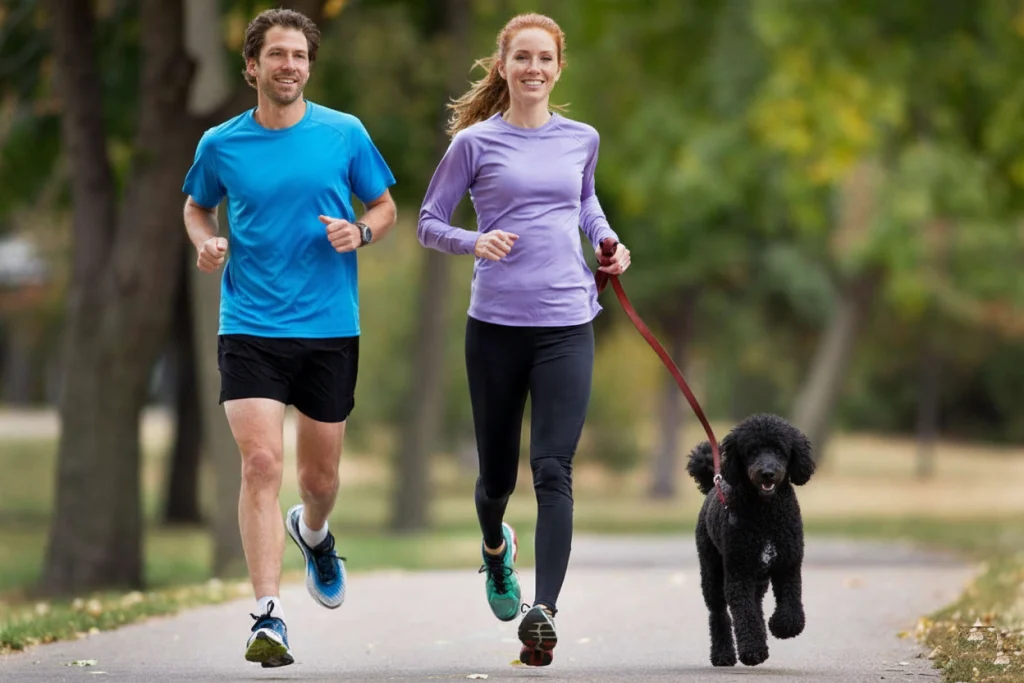
Finding Your Perfect Pace: A Guide to Dog-Friendly Workouts
Embarking on a fitness journey with a dog is an exciting prospect, but it is crucial to remember that exercise is not a one-size-fits-all endeavor. The ideal activity depends on a dog’s breed, age, energy level, and overall health. This section offers a menu of options, from gentle strolls to high-intensity sports, allowing every owner to find the perfect pace for their unique canine partner.
Low-Impact, High-Reward Activities
These exercises are suitable for most dogs, including seniors, puppies, large breeds, and those with joint issues, providing excellent benefits without excessive strain.
- Walking & Hiking: The cornerstone of any canine fitness routine, walking offers both physical exercise and crucial mental stimulation from new sights, sounds, and smells. Varying the route, pace, and terrain keeps the experience fresh and engaging for both dog and owner.21 Hiking on natural surfaces is particularly beneficial as it is easier on the joints.
- Swimming: A fantastic, joint-friendly, full-body workout. The buoyancy of water supports the dog’s body, making it an ideal activity for senior dogs, overweight dogs, or those with arthritis.For safety, especially with dogs new to the water, a canine life vest is recommended, and one should always avoid fast-moving currents.
High-Energy Adventures
For athletic and high-stamina breeds, these activities provide the vigorous outlet they need to thrive physically and mentally.
- Running/Jogging: A classic cardio workout that can be a fantastic bonding experience. It is essential to start slowly, alternating between walking and jogging to build endurance gradually.8 This activity is not suitable for puppies, whose bones and joints are still developing, or for brachycephalic (flat-faced) breeds. A veterinary check-up is always recommended before starting a running program.
- Agility & Dog Sports: Setting up a DIY agility course in the backyard or joining a local club for sports like agility, flyball, or dock diving provides an incredible outlet. These activities are physically demanding and mentally exhausting, making them perfect for intelligent, high-energy working breeds that need a “job” to do.
- Canicross & Joring: For the truly adventurous, these advanced sports involve a dog, fitted with a special harness, pulling an owner who is running (canicross), biking (bikejoring), or skiing (skijoring). They are best suited for energetic dogs over 35 lbs, particularly northern breeds like Huskies, but many athletic dogs can excel with proper training and conditioning.
Creative Indoor and Strength Workouts
These options are perfect for rainy days or for adding variety to a fitness routine.
- “Doga” (Dog Yoga): A calming and mindful practice that strengthens the bond. This can involve gently incorporating a dog into poses—holding a small dog for added weight during squats, balancing with a larger dog, or simply sharing a relaxing Savasana at the end of a session. The focus is on finding a state of calm together.8
- Circuit Training with Fetch: This combines a human’s high-intensity interval training (HIIT) with a dog’s favorite game. The owner performs a set of exercises (like burpees, squats, or jumping jacks) in the time it takes their dog to retrieve and return a ball or frisbee. It is a highly efficient workout for both parties.8
- Stair Running & Indoor Games: When the weather is prohibitive, running up and down a carpeted staircase (with caution and proper training) can be a powerful workout for both human and dog.26 Indoor games like “extreme fetch” (where the owner also runs for the toy) or hide-and-seek with treats can also burn significant energy.7

Tailoring Exercise to Your Dog’s Needs
The following table provides a clear, at-a-glance guide to help owners make safe and effective exercise choices based on their dog’s specific profile, synthesizing recommendations from veterinary and canine fitness experts.19
| Energy Level / Breed Group | Typical Breeds | Daily Exercise Goal | Low-Intensity Options | Medium-Intensity Options | High-Intensity Options | Key Considerations |
| Low Energy (Toy, Brachycephalic) | Pugs, Bulldogs, Chihuahuas, Shih Tzus | 20-30 minutes | Short, leisurely walks; indoor play; puzzle toys. | Gentle fetch. | AVOID | Prone to overheating (brachycephalic); small frames are fragile; monitor breathing closely. |
| Moderate Energy (Some Hounds, Utility) | Beagles, Basset Hounds, Standard Poodles, Boxers | 30-60 minutes | Brisk walks; hiking on flat trails. | Supervised swimming; play sessions (Frisbee); advanced fetch games.20 | Short sprints; jogging intervals. | Scent hounds require mental stimulation (sniffing); balance activity with adequate rest. |
| High Energy (Sporting, Herding, Working) | Border Collies, Labrador Retrievers, German Shepherds, Huskies | 60-120+ minutes | Long walks/hikes as warm-up/cool-down. | Running/jogging; agility; fetching games.20 | Canicross; competitive sports; long-distance running. | Require significant mental stimulation to prevent boredom; fitness improves quickly, necessitating varied workouts. |
| Special Cases (Puppies / Seniors) | All Breeds | Varies | Puppies: Short, frequent play sessions. Seniors: Gentle walks, swimming. | Puppies: Basic obedience games. Seniors: Modified, shorter fetch. | AVOID | Puppies: Protect growing joints from high-impact stress. Seniors: Manage arthritis and reduced stamina; focus on mobility. |
The Rules of the Road (and Trail): Your Safety Checklist
Responsible ownership means ensuring that every shared workout is as safe as it is fun. A proactive approach to safety not only prevents accidents but also protects the long-term health and well-being of a canine companion.
Pacing, Prevention, and Recognizing Limits
Just as a person would not run a marathon without training, a dog needs to build endurance gradually. It is crucial to start any new exercise program slowly, especially if the dog is overweight, a senior, or has been sedentary.25 Begin with shorter durations and lower intensity, progressively increasing as the dog’s fitness improves.
It is vital to learn the subtle signals of overexertion. Owners should stop immediately and provide rest and water if their dog exhibits any of the following signs of fatigue or heatstroke :
- Excessive or heavy panting and salivating
- Staggering, stumbling, or disorientation
- Reluctance or inability to continue walking
- Abnormally colored gums or tongue (e.g., bright red, pale, or blueish)
- A dazed or unfocused appearance
Gearing Up for Success
The right equipment is a long-term health investment, not just a simple precaution. For exercise, a well-fitting harness is significantly safer than a collar.A collar places direct pressure on the dog’s neck and trachea. Over time, especially with a dog that pulls, this repeated strain can cause or worsen serious long-term health problems, such as a collapsing trachea in small breeds or paralysis of the vocal cords in larger breeds.A harness, by contrast, distributes the pulling force across the broader, more muscular areas of the chest and shoulders, protecting these delicate structures and giving the owner better control.For the leash, a standard, non-retractable lead is recommended for maintaining control and preventing accidents.
Paw protection is another critical consideration. Asphalt and other paved surfaces can become dangerously hot in warm weather. A simple test is to place the back of a hand on the pavement for 7-10 seconds; if it is too hot to hold there comfortably, it is too hot for a dog’s paw pads and can cause painful burns.In such conditions, it is best to exercise on softer surfaces like grass or dirt, or to use protective dog booties.
Hydration is Key
Proper hydration is essential for preventing heat stress and maintaining performance. The most effective strategy is to provide frequent, small amounts of water during the activity. The recommended practice is to offer water from a bottle or collapsible bowl every 15 to 20 minutes.
After an intense workout, an overanxious dog should not be allowed to gulp large quantities of water immediately. It is best to wait until the dog has calmed down and its panting has subsided. Gulping water can cause a dog to swallow excessive air, leading to discomfort, bloating, or even a life-threatening condition called gastric dilatation-volvulus (GDV).34 As a general guideline, dogs need about one ounce of water per pound of body weight each day, but this requirement can more than double during exercise or in hot, humid weather.36

Weather and Environmental Hazards
Weather conditions should always dictate the timing and intensity of a workout. In hot weather, exercise should be limited to the cooler parts of the day, such as the early morning or late evening.This is especially critical for brachycephalic breeds like Pugs and Bulldogs, which have compromised respiratory systems and can overheat very quickly. In cold weather, some short-haired or smaller breeds may require a coat for insulation, and owners should be mindful of icy patches that could cause slips and injuries.
Finally, a post-exercise check is a crucial habit. After every outdoor adventure, an owner should thoroughly examine their dog’s coat and paw pads for ticks, burs, foxtails, cuts, or any other abnormalities to catch potential problems before they become serious.
Conclusion: Your Best Adventure Buddy Awaits
The evidence is clear and compelling: an active lifestyle shared with a canine companion is a powerful investment in mutual well-being. The benefits form a powerful triad, strengthening the body, calming the mind, and deepening the bond between human and animal. For the owner, it is a path to improved cardiovascular health, effective stress management, and a consistent source of motivation. For the dog, it is the fulfillment of innate biological and psychological needs, leading to a longer, healthier, and more balanced life.
The nudge of a leash is more than a simple request; it is an opportunity. It is a chance to step away from screens, to breathe fresh air, to engage with the natural world, and to connect on a deeper level with a loyal and loving companion. The journey to better health does not have to be a solitary one. Your greatest adventure partner, your most steadfast training buddy, and your most enthusiastic cheerleader is sitting right at your feet. So grab the leash, open the door, and step into a healthier, happier life—together.