Caring for a pet goes beyond providing food and shelter—it involves nurturing their overall well-being through healthy habits and regular exercise. Just like humans, pets need physical activity, mental stimulation, and a balanced routine to live long, happy lives. From daily walks and play sessions to proper nutrition and grooming, building a consistent wellness routine can prevent common health issues and strengthen the bond between you and your furry friend. In this article, we’ll explore simple yet effective ways to keep your pet active, healthy, and full of energy every day.

Part 1: The Foundational Pillars of Pet Wellness
Introduction: More Than Just Playtime – A Holistic Approach to Healthy Habits and Exercises for Your Pets
True wellness for a companion animal is a multifaceted concept, a tapestry woven from the interconnected threads of physical activity, mental engagement, preventative healthcare, consistent daily routines, and a strong, positive human-animal bond. A genuine commitment to establishing healthy habits and exercises for your pets extends far beyond simple playtime; it represents a pledge to their entire well-being. This comprehensive approach recognizes that a pet’s physical fitness is inextricably linked to its emotional stability and long-term health.
The modern understanding of the human-pet relationship has undergone a significant evolution. The focus has shifted from a model of simple ownership—providing basic food and shelter—to one of profound guardianship. This advanced model involves proactively managing a pet’s holistic welfare. The emphasis on preventative healthcare guidelines, behavioral health assessments, and species-specific enrichment reflects this change. The components of care are deeply linked; for instance, a stable daily routine makes a pet feel secure, which in turn reduces stress-related behaviors and makes the animal more receptive to training and enrichment activities.The inclusion of “Behavioral Health” and “Client Education” as core tenets of veterinary preventative care officially solidifies the connection between a pet’s medical status and the owner’s daily actions. This framework positions the owner not as a passive provider, but as an active guardian responsible for managing their companion’s physical, mental, and emotional state.
Establishing a Routine: The Bedrock of a Happy Pet
For dogs, cats, and small animals alike, predictability is a cornerstone of welfare. A consistent daily schedule for feeding, elimination, play, and rest provides a sense of security that significantly reduces anxiety and helps prevent the development of common behavioral problems. Cats, in particular, are creatures of habit that find safety and comfort in a dependable, organized environment; disruptions to their routine can cause stress, which may manifest as aggression or inappropriate elimination. Similarly, a predictable daily structure helps dogs, especially puppies, feel secure, which is crucial for successful house training and for mitigating issues like separation anxiety.
A highly consistent daily routine provides a benefit that extends beyond behavioral management; it transforms the owner into a first-line diagnostic observer. By establishing a predictable pattern of activity, the owner creates a behavioral baseline for their pet. Any deviation from this established norm—such as a cat that suddenly forgoes its customary evening grooming session or a dog that displays uncharacteristic lethargy during its scheduled afternoon walk—becomes a powerful and early indicator of a potential health issue.10 This concept elevates the importance of a daily “lesson plan” from a simple schedule to a fundamental component of preventative healthcare. The routine becomes a daily, informal wellness check. For example, if an owner brushes their cat at the same time every evening, they develop an intimate understanding of the cat’s skin, coat, and tolerance for being handled. A new lump, a sensitive spot, or a change in temperament during this ritual is immediately apparent. This direct link between an owner’s daily habits and their pet’s long-term health outcomes underscores the profound value of a structured and consistent lifestyle.
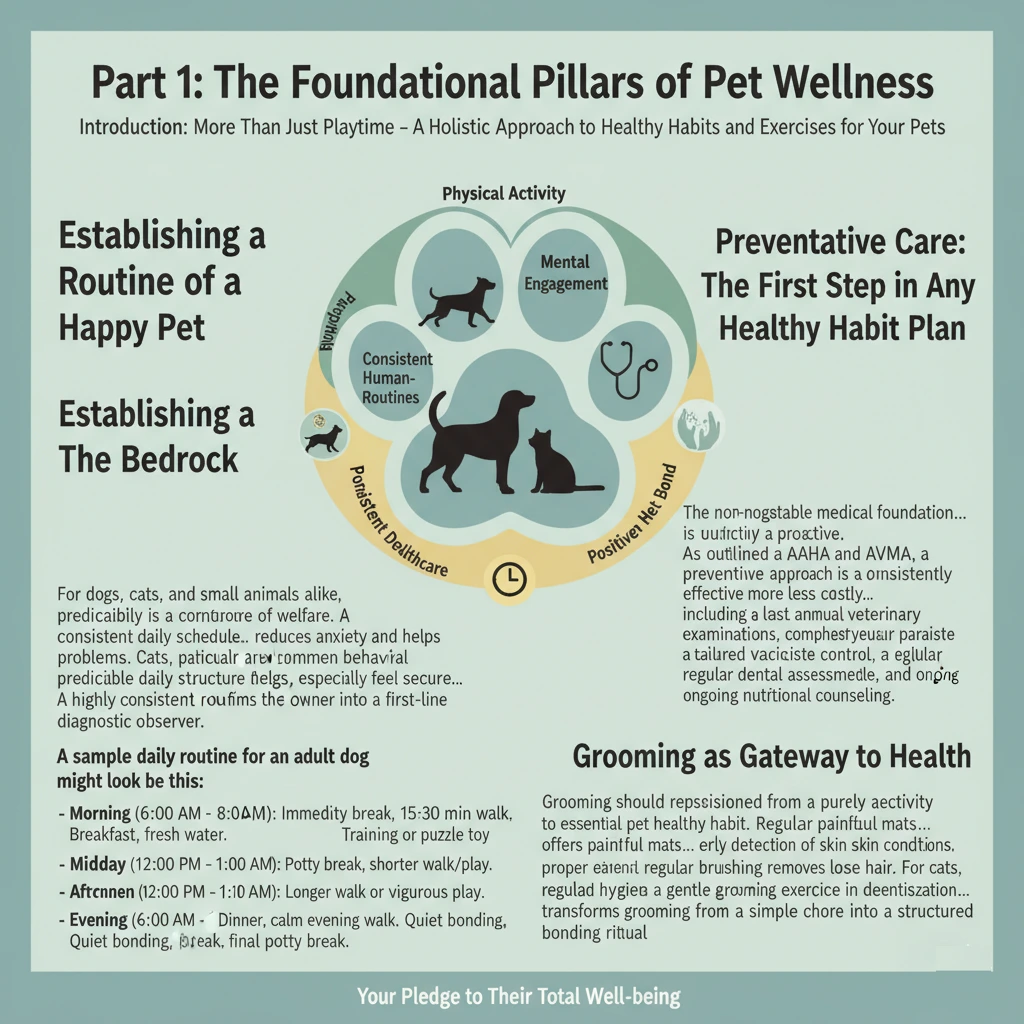
A sample daily routine for an adult dog might look like this :
- Morning (6:00 AM – 8:00 AM): Immediate potty break upon waking, followed by a 15-30 minute walk. Breakfast is served, and fresh water is provided.
- Midday (12:00 PM – 1:00 PM): A potty break and a shorter walk or play session. This is an ideal time for a brief training session or a puzzle toy to provide mental stimulation.
- Afternoon (4:00 PM – 6:00 PM): A longer walk or a more vigorous play session to burn off energy.
- Evening (7:00 PM – 10:00 PM): Dinner is served, followed by a calm evening walk to wind down. The rest of the evening is for quiet bonding, such as cuddling or gentle grooming, before a final potty break right before bed.
Preventative Care: The First Step in Any Pet Healthy Habit Plan
The non-negotiable medical foundation of any pet wellness plan is proactive, preventative healthcare. As outlined by the American Animal Hospital Association (AAHA) and the American Veterinary Medical Association (AVMA), a preventative approach is consistently more effective and less costly than treating a disease once it has become advanced. This strategy is built upon several key pillars, including at least annual veterinary examinations, comprehensive year-round parasite control, a tailored vaccination schedule, regular dental assessments, and ongoing nutritional counseling.
These guidelines reveal a paradigm shift in the role of the modern veterinarian. They are no longer just healers of sickness but have become collaborative partners with the owner in creating and maintaining a comprehensive wellness lifestyle for the pet. The emphasis within the AAHA/AVMA guidelines on “client education” and “client engagement” underscores this partnership. During a check-up, the veterinarian conducts an objective physical examination while also gathering subjective history from the owner regarding the pet’s lifestyle, behavior, and diet—areas primarily managed by the owner on a daily basis. This collaborative process allows for the creation of a customized “prevention plan” that is tailored to the individual animal’s needs.The goal is not simply to fix problems as they arise but to work together to build a proactive strategy for a long and healthy life.
Grooming as a Gateway to Health
Grooming should be repositioned from a purely aesthetic activity to an essential pet healthy habit. Regular grooming, whether performed at home or by a professional, offers significant health benefits. For dogs, it prevents the formation of painful mats in the coat, which can pull on the skin and lead to infections. It also provides a crucial opportunity for early detection of skin conditions, such as lumps, rashes, dry patches, or parasites like fleas and ticks.19 Maintaining a proper nail length is vital for a dog’s posture and gait; overgrown nails can cause pain, alter their walk, and lead to joint stress over time.For cats, regular brushing removes loose hair, which dramatically reduces the formation of hairballs, and allows the owner to check for any bumps or abnormalities on the skin.
Beyond hygiene, regular and gentle grooming sessions serve as a critical training exercise in desensitization. These interactions accustom a pet to being handled all over its body, including sensitive areas like paws, ears, and mouth. This early and consistent socialization to touch significantly reduces the stress and fear an animal might experience during a veterinary examination or when home care, such as administering medication, is required. This process transforms grooming from a simple chore into a structured bonding ritual. The calm, positive interaction reinforces the human-animal bond and has direct, beneficial implications for the pet’s future medical care and overall stress levels.
Part 2: Species-Specific Guides to Healthy Habits and Exercises for Your Pets
The Canine Companion: A Deep Dive into Healthy Habits and Exercises for Your Pets
Understanding Your Dog’s Needs: A Tailored Healthy Habits Exercise Plan
There is no universal exercise regimen suitable for all dogs. A safe and effective fitness plan must be carefully tailored to the individual, taking into account three crucial variables: age, breed, and overall health condition. Before embarking on any new or intensified exercise program, a check-up with a veterinarian is the essential first step. A veterinarian can evaluate the dog’s overall health, identify any underlying medical conditions that might limit certain activities, and provide guidance on how to safely increase exercise levels.
Age-Specific Exercise: From Puppy Play to Senior Strolls
- Puppies: The developing bodies of puppies are vulnerable to injury from overexertion. Their growth plates are still soft, and strenuous, repetitive impact can lead to long-term joint problems. A general guideline is the “five-minute rule,” which suggests five minutes of structured walking for each month of the puppy’s age, once or twice a day. The best exercise for puppies is often unstructured, free play in a safe, enclosed area where they can run, stop, and rest at their own pace, allowing them to self-regulate their activity levels.
- Adults: For adult dogs, the goal is to provide a varied routine that keeps them physically fit and mentally engaged. The specific amount and type of exercise will depend heavily on their breed and individual health status.Mixing different activities, such as walking, hiking, swimming, and playing fetch, can prevent boredom and work different muscle groups.
- Seniors: Exercise remains crucial for senior dogs to maintain muscle tone, joint mobility, and a healthy weight. However, activities should be modified to be low-impact. Gentle walks and swimming are excellent choices as they are easier on aging joints. Mental stimulation also remains vital to keep their minds sharp.
Breed-Specific Exercise: Matching Activity to Aptitude
A dog’s breed is a primary indicator of its innate energy level and exercise requirements. It is crucial for prospective owners to choose a breed that aligns with their own lifestyle to ensure a harmonious relationship. High-energy breeds, such as the Vizsla or Siberian Husky, were developed for endurance and require vigorous daily activity, making them excellent partners for runners or hikers. In contrast, more laid-back breeds like the Bullmastiff or Basset Hound require much less strenuous exercise and are content with shorter daily walks.
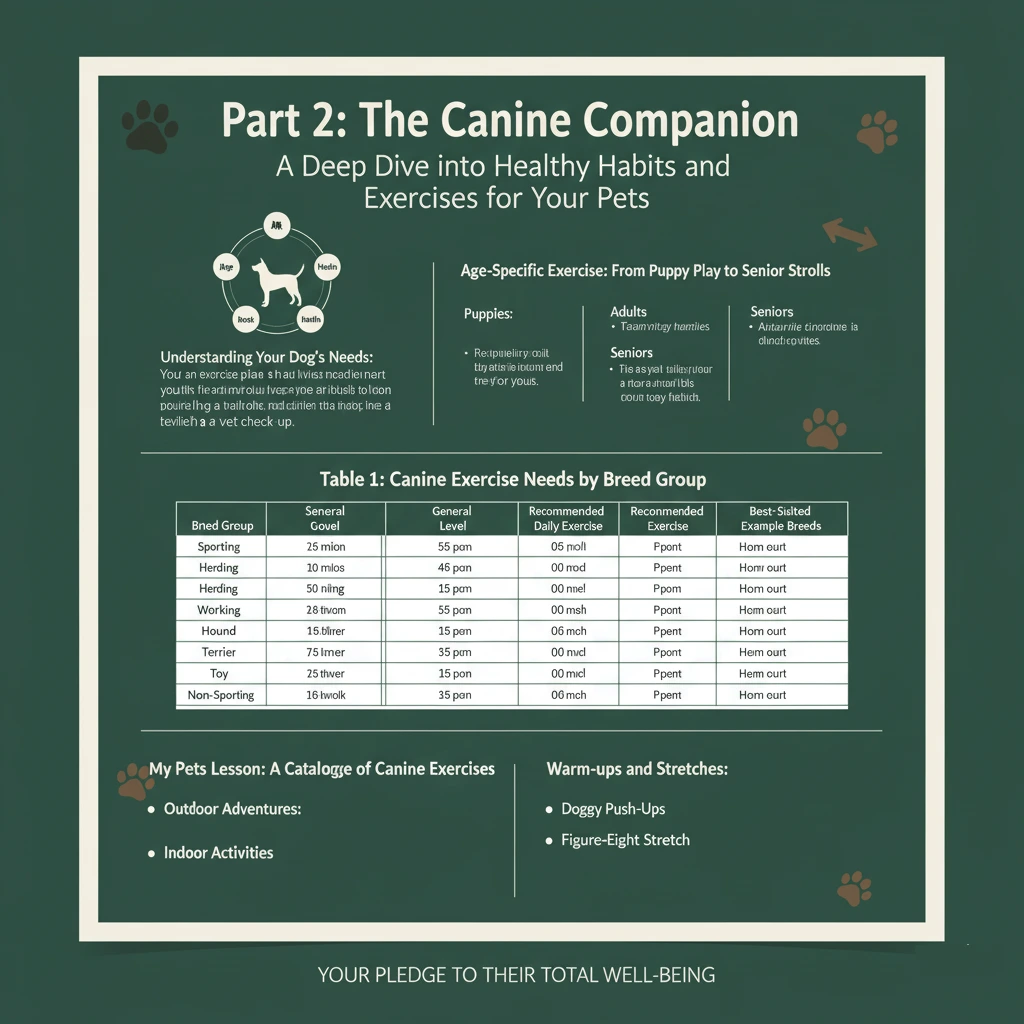
Table 1: Canine Exercise Needs by Breed Group
| Breed Group | General Energy Level | Recommended Daily Exercise | Best-Suited Activities | Example Breeds |
| Sporting | High | 60-90+ minutes | Running, swimming, long-range fetch, hiking | Labrador Retriever, Vizsla, Golden Retriever |
| Herding | High | 60-90+ minutes | Agility, obedience, running, jobs (e.g., herding balls) | Border Collie, Australian Shepherd, German Shepherd |
| Working | Moderate to High | 60-90 minutes | Long walks, hiking, draft work (carting), swimming | Siberian Husky, Boxer, Great Dane |
| Hound | Moderate | 30-60 minutes | Long walks on leash, scent work, lure coursing | Beagle, Basset Hound, Greyhound |
| Terrier | High | 60+ minutes | Vigorous play, digging in designated areas, agility | Jack Russell Terrier, Airedale Terrier |
| Toy | Low | < 30 minutes | Short walks, indoor play sessions, puzzle toys | Pug, Chihuahua, Toy Poodle |
| Non-Sporting | Varied | 30-60 minutes | Daily walks, obedience, play sessions | Poodle, Bulldog, Dalmatian |
My Pets Lesson: A Catalogue of Canine Exercises
Variety is key to a fulfilling exercise routine. Mixing different activities not only prevents boredom but also promotes balanced physical conditioning and provides diverse mental challenges.
Outdoor Adventures: Hiking, Swimming, and Beyond
The great outdoors offers a vast playground for dogs. Beyond a standard walk, activities like hiking on new trails provide excellent physical conditioning and sensory stimulation. For water-loving breeds, swimming is a superb low-impact, full-body workout, especially beneficial for dogs with joint issues. More dynamic activities include cycling or skating alongside your dog (in safe areas), which can be great for high-energy canines. Even a classic game of fetch can be enhanced by throwing a ball uphill to build muscle or using a floating toy in the water. For those seeking more structured engagement, organized dog sports like AKC Agility, Lure Coursing, or Scent Work offer fantastic outlets for a dog’s natural instincts and energy.
Indoor Activities: Agility, Scent Work, and Brain Games for Rainy Days
When weather or other circumstances prevent outdoor exercise, a creative indoor routine can be just as effective. Running up and down a carpeted staircase a few times is a strenuous muscle-building activity.Simple games like hide-and-seek provide both physical movement and mental stimulation. An indoor agility course can be constructed using household items like broom handles for jumps, boxes for tunnels, and ottomans to weave around. A properly played game of tug-of-war builds muscle and strengthens the human-animal bond.Crucially, mental exercise is just as tiring as physical exercise. Food enrichment activities, such as hiding kibble in a snuffle mat or using puzzle toys, tap into a dog’s natural scavenging instincts and provide significant mental stimulation.
Warm-ups and Stretches: Preparing for Healthy Habits Exercise
Just as humans warm up before a workout, dogs benefit from gentle preparation before vigorous activity to prevent strains and injuries. Simple, fun exercises can serve this purpose. “Doggy Push-Ups,” which involve cueing a dog to move fluidly between sit, down, and stand positions, are an excellent way to warm up muscles and practice basic obedience.Another beneficial activity is the “Figure-Eight Stretch,” where the owner lures the dog with a treat to weave in a figure-eight pattern through their legs. This movement encourages gentle stretching and improves coordination.

The Feline Friend: Mastering Healthy Habits and Exercises for Your Pets Indoors
Decoding Your Cat: The Hunter’s Instinct and the Need for a Pet Healthy Habit of Play
The core driver of feline behavior is the deeply ingrained predator instinct. Even the most pampered indoor cat retains the natural drive to stalk, chase, and pounce.Providing appropriate outlets for these behaviors is essential for their physical and mental health. Without such stimulation, indoor cats can become bored, which can lead to undesirable behaviors like destructive scratching or aggression. Understanding their natural rhythm is also key; cats are crepuscular, meaning they are most active at dawn and dusk. Scheduling play sessions during these times aligns with their internal clock and maximizes their interest and engagement.
The Art of the 15-Minute Play Session: Maximizing Engagement
Unlike dogs, which are often endurance animals, cats are built for short, explosive bursts of energy. Therefore, the most effective exercise strategy involves brief but frequent play sessions. Two to three daily sessions of 10-15 minutes are ideal for most adult cats, while kittens may require more. A critical component of a successful play session is allowing the cat to “win.” At the end of the game, especially when using a laser pointer, it is vital to let the cat catch a physical toy. This provides the satisfaction of a successful hunt and prevents the frustration that can arise from chasing an intangible target.
Essential Cat Toys and Tools: Wands, Lasers, and Puzzles
The most effective cat toys are those that mimic prey. Interactive wand or teaser toys, which feature feathers or other lures on a string, are excellent for simulating the movement of birds or insects and encouraging chasing and jumping.Laser pointers can be a great way to get a cat moving, provided they are used correctly with a physical reward at the end.Puzzle feeders are a fantastic tool for both mental and physical stimulation, as they require the cat to actively “hunt” for its food, slowing down eating and engaging its problem-solving skills.To prevent boredom, it is important to rotate toys regularly, keeping them novel and exciting.28
My Pets Lesson Plan: Crafting an Enriching Indoor Environment
A stimulating home environment provides a form of passive exercise and constant mental engagement for an indoor cat. The goal is to design a space that encourages and satisfies their natural feline behaviors.
Thinking Vertically: The Importance of Cat Trees and Shelves
In the wild, cats are climbers, seeking high vantage points for safety and to survey their territory. An indoor environment should cater to this vertical inclination. Providing cat trees, condos, wall-mounted shelves, and window perches encourages natural behaviors like jumping and climbing, which are excellent forms of exercise that build strength and agility.
The “Catio” and Safe Outdoor Access
For indoor cats, a “catio”—an enclosed outdoor patio or enclosure—offers a safe way to experience the sights, sounds, and smells of the outdoors without the associated dangers.28 Another option for providing safe outdoor access is harness and leash training. This requires a secure, escape-proof harness and a gradual period of acclimation inside the home before venturing out.
Satisfying Other Instincts: Scratching and Hiding
Scratching is a natural and necessary feline behavior that serves multiple purposes: it conditions their claws, stretches their muscles, and marks their territory. To protect furniture, it is essential to provide multiple, sturdy scratching posts with a variety of surfaces, such as sisal rope, cardboard, and carpet, placed in prominent areas of the home. Cats also have a strong instinct to hide. Providing simple hiding spots like cardboard boxes, cat caves, and tunnels gives them a sense of security and a place to retreat or stage a playful ambush.

Small Companions, Big Needs: Healthy Habits and Exercises for Your Pets Like Rabbits & Guinea Pigs
Beyond the Hutch: The Critical Role of Enrichment for these Pets Habits
It is a common misconception that small animals like rabbits and guinea pigs are low-maintenance pets. In reality, these are busy, intelligent, and active creatures that require significant daily enrichment to remain physically and mentally healthy.A small cage or hutch is insufficient for long-term living; these animals need ample space to run, hop, explore, and express their natural behaviors.Boredom is a primary cause of behavioral problems and stress in small animals, making a stimulating environment a necessity, not a luxury.
Encouraging Natural Pets Habits: Foraging, Digging, and Chewing
The most effective enrichment for small animals mimics their behaviors in the wild. Rabbits have a powerful instinct to dig; providing a designated digging box filled with pet-safe soil or shredded paper allows them to satisfy this urge without destroying property.37 Both rabbits and guinea pigs are natural foragers. Instead of simply providing food in a bowl, owners can scatter pellets in hay, hide vegetables in forage trays, or use puzzle feeders to encourage them to search for their meals.38 Chewing is also a critical behavior, as the teeth of rabbits and guinea pigs grow continuously. A constant supply of hay is essential, supplemented by safe chew toys like untreated wood blocks, willow balls, or cardboard tubes to maintain proper dental health.
DIY Enrichment: Simple, Safe, and Stimulating Activities
Enrichment for small pets does not need to be expensive. Many engaging toys can be created from common household items. Cardboard toilet paper and paper towel tubes are incredibly versatile; they can be stuffed with hay and treats and pinched at the ends for a foraging challenge. Cardboard boxes can be turned into hideouts, mazes, or tunnels. Rings cut from a cardboard tube can be interlocked to form a treat ball. These simple, destructible items provide hours of entertainment and satisfy the natural urge to chew and manipulate objects. For those seeking commercial options, puzzle toys like Kong Wobblers or sturdy wooden puzzles can also provide excellent mental stimulation.
Part 3: The Human-Animal Connection and Advanced Topics
How to Stay Fit Happy and Healthy: Passage Exercise for the Whole Family
The need to provide exercise for a pet should not be viewed as a chore, but rather as a powerful opportunity for mutual health improvement and family bonding. Shared physical activity creates a synergistic effect, benefiting the well-being of both the humans and the animals in the household. Family hikes with the dog, interactive games of fetch in the yard, or even the collaborative project of building a DIY agility course are activities that get everyone moving together. Research consistently shows that dog owners are more likely to meet recommended physical activity levels, with one study indicating they walk an average of 30 minutes more per week than they did before getting a dog.
Furthermore, the routine of exercising a pet often serves as a potent social catalyst for the owner. The simple act of walking a dog regularly facilitates community interaction, breaking down social barriers and combating feelings of loneliness and isolation. Dog walks create natural opportunities for spontaneous conversations with neighbors and other pet owners, transforming a solitary activity into a community-building one.The dog, in this context, becomes more than a companion; it acts as a social “icebreaker.” This means that the “passage exercise” is not merely about physical fitness. It is a structured, daily activity that directly builds social capital and community connection for the owner, providing a powerful antidote to the social isolation prevalent in modern life.
How Can Pets Make You Happy and Improve Your Life?
A robust and growing body of scientific evidence demonstrates the profound and positive impact of pet ownership on human health and happiness. This connection is not merely anecdotal; it is rooted in measurable physiological and psychological changes.
- Mental and Emotional Health: The simple act of interacting with a pet can trigger significant neurochemical changes. Studies have shown that petting or even gazing into a dog’s eyes can decrease levels of cortisol, the body’s primary stress hormone, while simultaneously increasing the release of “feel-good” chemicals like serotonin, dopamine, and oxytocin—the “love hormone” responsible for feelings of bonding and affection.This hormonal shift leads to tangible benefits, including reduced stress, anxiety, and symptoms of depression. The companionship pets provide also eases loneliness and can give owners a sense of purpose and routine, which are crucial for emotional stability.
- Physical Health: The health benefits extend to the cardiovascular system. Pet owners, particularly dog owners, tend to have lower blood pressure, reduced cholesterol and triglyceride levels, and a decreased risk of dying from heart disease. One study found that heart attack patients with pets have a significantly higher survival rate than those without.For older adults, pet ownership is correlated with 30 percent fewer visits to the doctor.These effects are driven by a combination of increased physical activity and the stress-reducing effects of companionship.
- Developmental and Therapeutic Benefits: The positive influence of animals is particularly notable in developmental and therapeutic contexts. Research has found that interacting with animals can help children with ADHD improve their focus and social skills, and can reduce anxiety in children with autism spectrum disorder. In clinical settings, therapy animals are used in hospitals, nursing homes, and mental health facilities to reduce patient anxiety, ease loneliness, and provide comfort, demonstrating the powerful, non-judgmental support that animals can offer.

Committing to a Lifetime of Healthy Habits and Exercises for Your Pets
Ultimately, providing for a pet’s health and happiness is an ongoing, dynamic process that requires observation, adaptation, and a deep commitment from their human guardian. The principles outlined in this report—a foundation of preventative care, a deep understanding of species-specific needs for both physical and mental stimulation, and the implementation of consistent daily routines—form the blueprint for a thriving companion animal. This proactive approach is the ultimate expression of the love and responsibility we feel for our pets. Embracing the role of a pet guardian, with all its challenges and rewards, enriches not only the life of the animal but also profoundly enhances our own, reinforcing the immense and scientifically-proven value of the human-animal bond.