
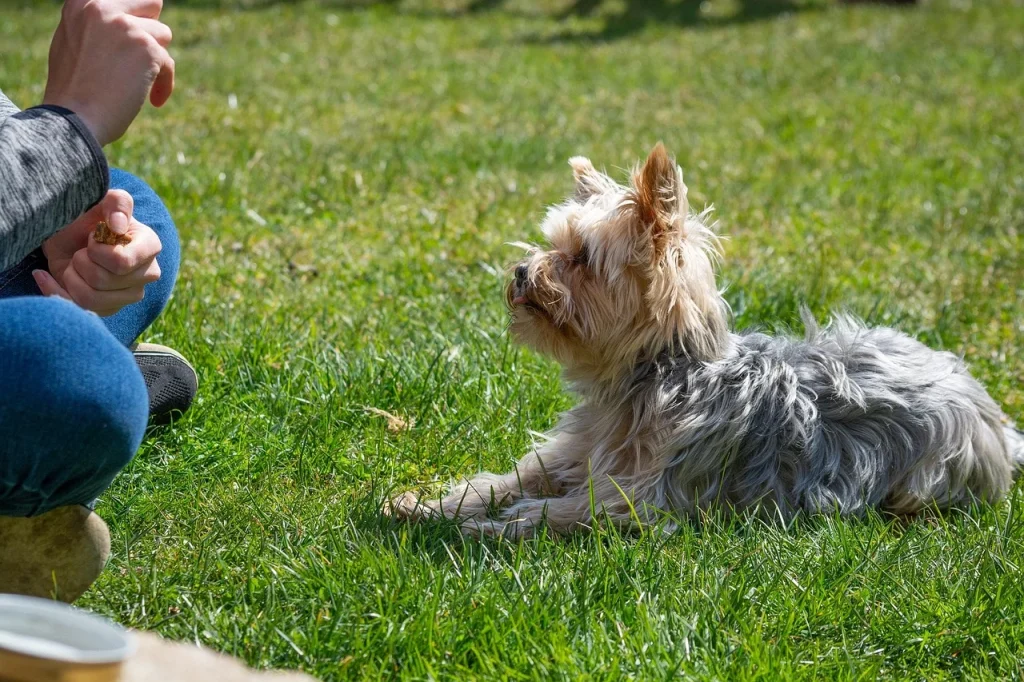
Training your dog is one of the most rewarding aspects of pet ownership, fostering a deep bond built on mutual understanding and respect. However, the path to a well-behaved canine companion isn’t always straightforward. Many well-intentioned owners inadvertently fall into common training traps that can hinder progress and even damage the relationship.
This comprehensive guide delves into the top 10 most prevalent dog training mistakes, offering practical, actionable solutions to help you navigate these challenges. By understanding these pitfalls and implementing effective strategies, you can train more effectively, strengthen your bond with your furry friend, and enjoy a harmonious life together.
Did you know emotional support dogs aren’t required to have any formal training? Check out this guide on the best emotional support dog breeds to learn more about them.
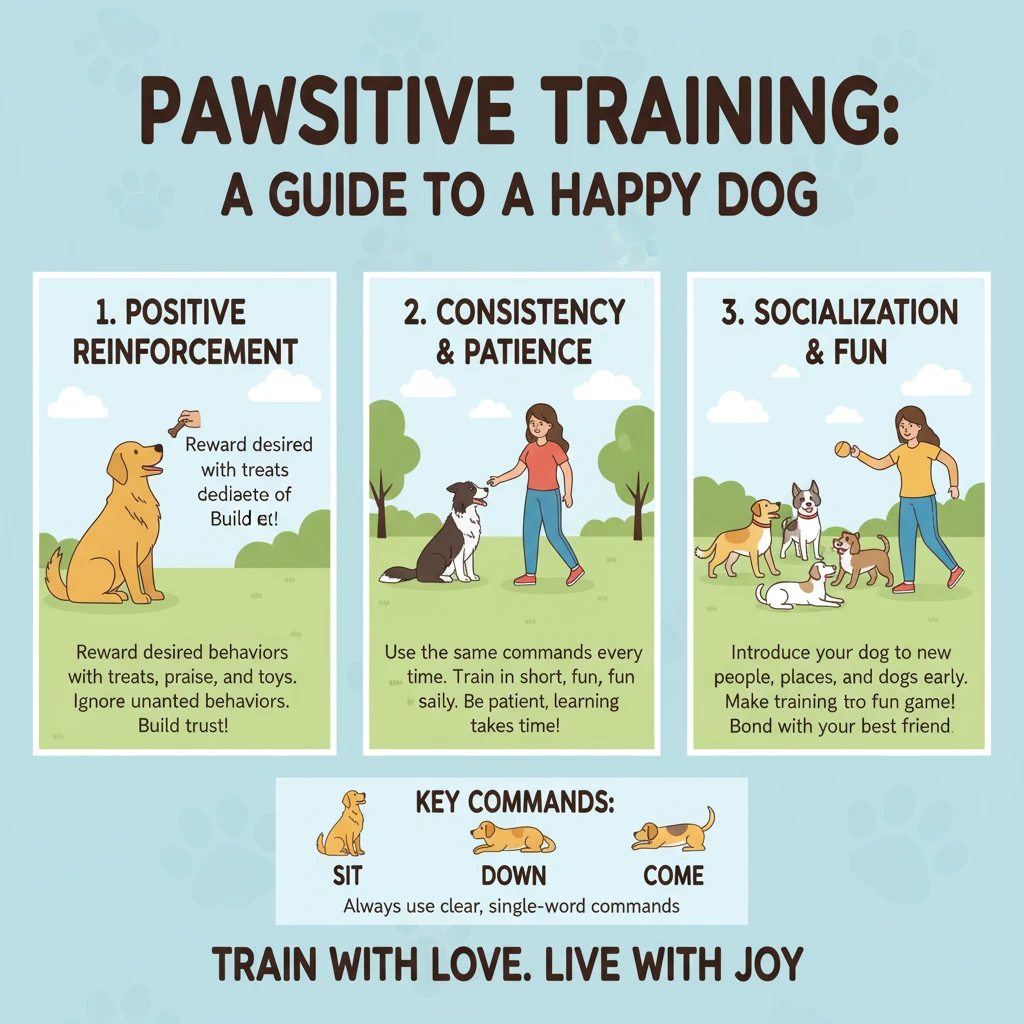
The Foundation of Effective Training: Why Understanding Mistakes Matters
Before we dive into the specific mistakes, it’s crucial to understand the philosophy behind effective dog training. Dogs learn through association and consequence. They don’t inherently understand human language or intentions. Our role as trainers is to clearly communicate what we want them to do and reward them for desirable behaviors, while preventing or redirecting undesirable ones.
Mistakes often stem from a lack of clear communication, inconsistency, or misunderstanding canine behavior. Identifying and correcting these issues is not about “fixing” your dog, but rather about refining your approach to become a more effective and empathetic leader.
Mistake #1: Inconsistency in Rules and Expectations
Imagine living in a house where the rules change daily. One day you’re allowed on the couch, the next you’re not. This is often how dogs perceive inconsistent training.
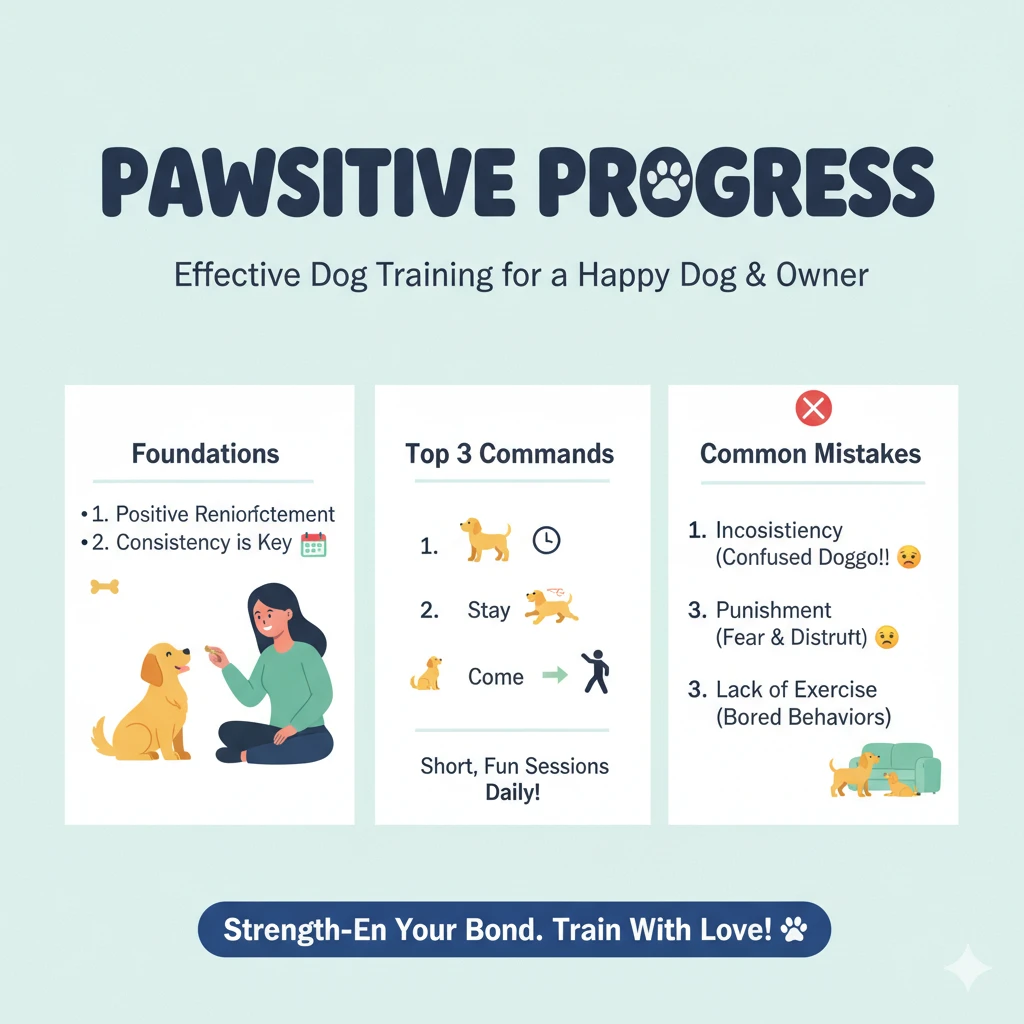
Why it’s a mistake: Inconsistency breeds confusion and anxiety. If a dog is sometimes allowed to jump on guests and sometimes corrected for it, they won’t understand what’s expected. This can lead to frustration for both owner and dog, making it harder for the dog to learn and trust.
How to fix it:
- Establish Clear Household Rules: Discuss and agree upon house rules with everyone in your household before you even start training.
- Be a United Front: Ensure everyone adheres to the rules consistently.
- “All or Nothing” Approach (Initially): If “no jumping” is the rule, then no jumping is ever allowed in the initial stages.
- Predictability is Key: Consistent routines and clear expectations build confidence and help them feel secure.
Mistake #2: Lacking Patience and Realistic Expectations
Training takes time, effort, and a hefty dose of patience. Expecting your dog to master complex commands overnight or instantly stop an ingrained behavior is setting yourself up for disappointment.
Why it’s a mistake: Impatience leads to frustration, which can manifest as harsh corrections, giving up too soon, or even punishment. This not only damages your bond but can also make your dog fearful. Every dog learns at their own pace.
How to fix it:
- Embrace the Process: View training as a journey, not a destination. Celebrate small victories and acknowledge that setbacks are natural.
- Set Achievable Goals: Break down complex behaviors into smaller, manageable steps (e.g., teaching a “stay” for one second, then two, then five).
- Understand Breed Tendencies: Research your dog’s breed characteristics to set realistic expectations for energy levels and trainability.
- Avoid Emotional Responses: If you’re frustrated, take a break. A tense training session is rarely productive.
- Focus on Positive Reinforcement: This approach builds confidence and a desire to learn.
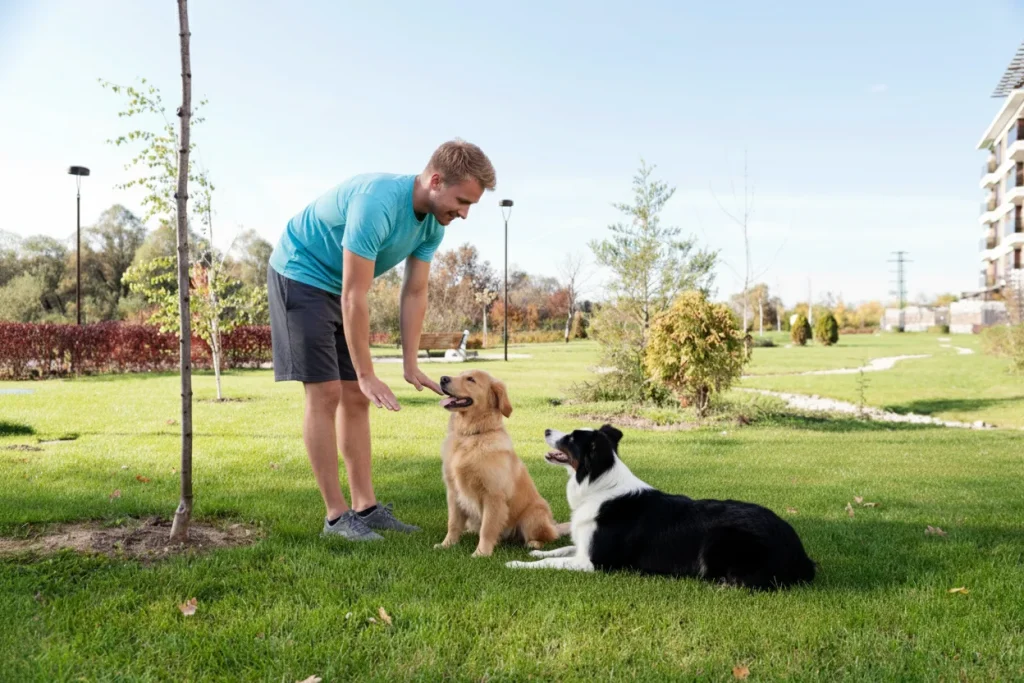
Mistake #3: Relying Solely on Punishment
While a firm “no” or a quick leash correction might seem effective in the moment, an over-reliance on punishment can have detrimental long-term effects.
Why it’s a mistake: Punishment, when not applied correctly, can suppress behavior without teaching an alternative. It can lead to fear, anxiety, aggression, and a breakdown of trust. Your dog might learn to avoid the punishment, but they don’t necessarily learn what you want them to do.
How to fix it:
- Prioritize Positive Reinforcement: Focus on rewarding desired behaviors generously (treats, praise, toys).
- Redirect Undesired Behaviors: If they’re chewing furniture, offer an appropriate chew toy. If they’re jumping, turn your back and only engage when all four paws are on the floor.
- Manage the Environment: Prevent opportunities for unwanted behaviors (e.g., put shoes or food out of reach).
- Understand the Root Cause: Often, “bad” behaviors are a symptom of an underlying issue, like boredom, anxiety, or lack of exercise. Address the root cause.
Mistake #4: Not Providing Enough Exercise and Mental Stimulation
A tired dog is a good dog. Many behavioral issues stem from pent-up energy and boredom.
Why it’s a mistake: Without sufficient physical activity and mental engagement, dogs can become destructive, hyperactive, noisy, or develop undesirable habits like excessive barking, digging, or chewing. Training attempts with an over-energized dog will likely be ineffective.
How to fix it:
- Tailor Exercise to Breed and Age: Ensure the exercise level matches your dog’s needs (a Border Collie needs more than a Basset Hound).
- Incorporate Varied Activities: Use fetching, swimming, or running, not just walks.
- Mental Stimulation is Crucial: Engage your dog’s mind with puzzle toys, snuffle mats, scent games, or short training sessions. Even 10-15 minutes of mental work can be tiring.
- Establish a Daily Routine: A consistent routine that includes both exercise and mental engagement helps your dog anticipate activities.
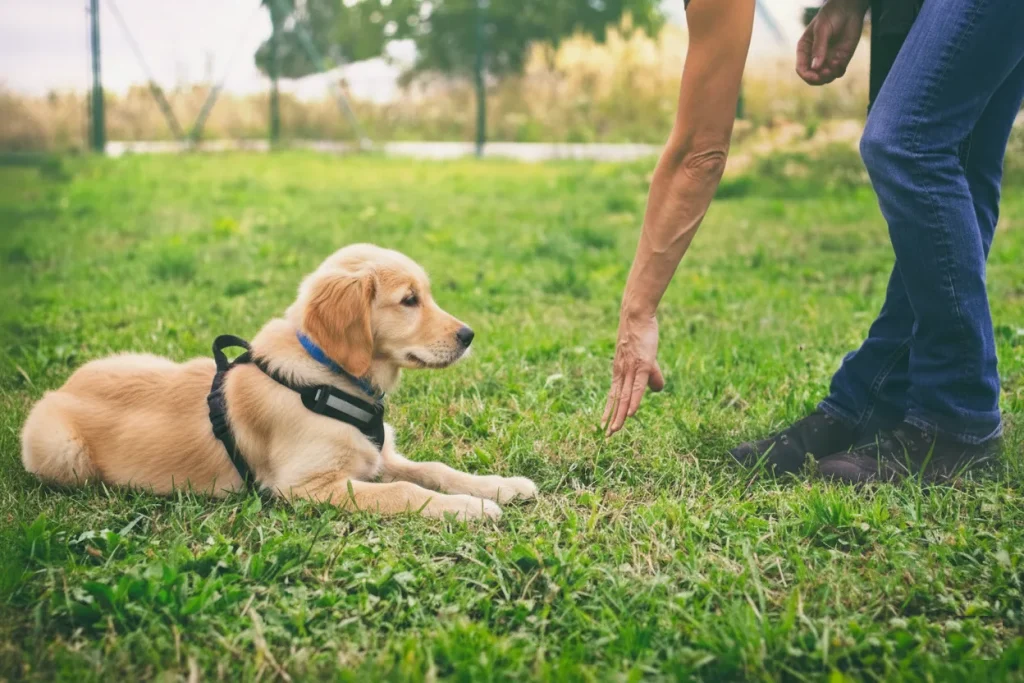
Mistake #5: Inconsistent Training Sessions (Too Long, Too Infrequent)
The duration and frequency of your training sessions play a significant role in your dog’s ability to learn and retain information.
Why it’s a mistake: Sessions that are too long can lead to boredom, frustration, and mental fatigue. Conversely, infrequent training means concepts aren’t reinforced, and your dog will likely forget what they’ve learned between sessions.
How to fix it:
- Keep it Short and Sweet: Aim for multiple short training sessions throughout the day. 5-10 minutes, 2-3 times a day is ideal for most dogs. Always end on a positive note.
- Integrate into Daily Life: Ask your dog to “sit” before receiving their food or “stay” while you open the door. These micro-training moments reinforce commands naturally.
- Practice in Different Environments: Once your dog masters a command in a quiet place, gradually introduce distractions to help them generalize the behavior (see Mistake #8).
Mistake #6: Not Socializing Your Dog Properly
Early and ongoing socialization is critical for a well-adjusted dog. Neglecting this can lead to fear, anxiety, or aggression towards other dogs, people, or new environments.
Why it’s a mistake: A dog that hasn’t been exposed to a variety of sights, sounds, smells, and people during their critical developmental periods (especially between 3-16 weeks) may grow up to be fearful or reactive.
How to fix it:
- Start Early (and Safely): For puppies, once cleared by a vet, safely expose them to as many new, positive experiences as possible: different people, friendly vaccinated dogs, various sounds (traffic, household noises), and different surfaces.
- Quality Over Quantity: Focus on positive experiences. Ensure interactions are supervised and gentle.
- Continue Throughout Life: Socialization isn’t a one-time event. Continue exposing your adult dog to new experiences.
- Observe Your Dog’s Body Language: Learn to recognize signs of stress or fear (lip licking, yawning, tail tucked). If they’re uncomfortable, remove them from the situation. To learn more about dogs’ body language and what it signifies read our article “The Secret Language of Dogs“
Mistake #7: Using the Wrong Rewards (or Not Enough)
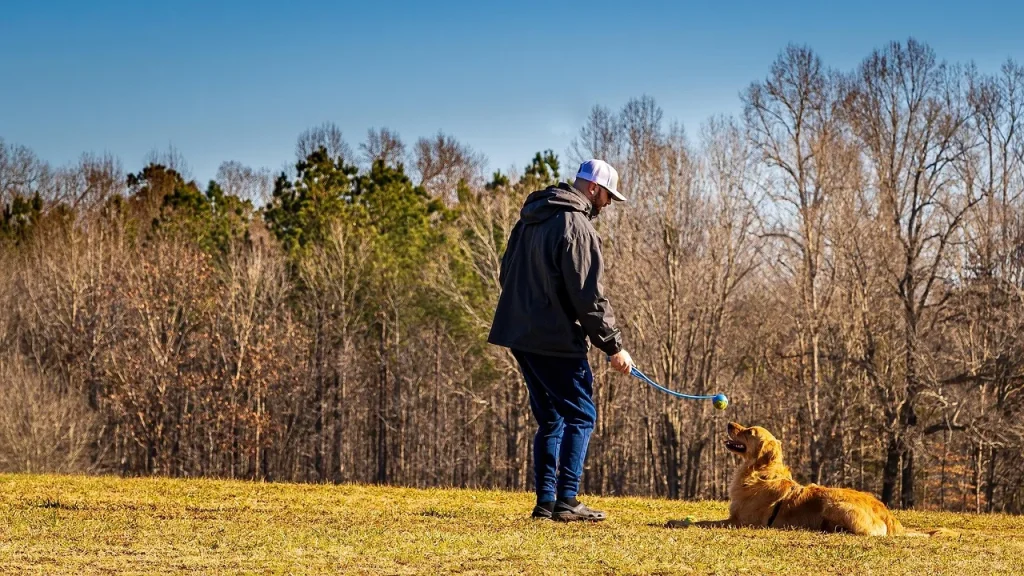
Rewards are the engine of positive reinforcement training. If your dog isn’t motivated by what you’re offering, training will stall.
Why it’s a mistake: What you consider a “reward” might not be highly motivating for your dog. If the reward isn’t valuable enough to them, they won’t be as eager to perform the desired behavior. Not rewarding frequently enough means your dog doesn’t get clear feedback.
How to fix it:
- Find High-Value Rewards: Experiment to discover what truly motivates your dog (chicken, cheese, a favorite toy, enthusiastic praise). Reserve the highest-value rewards for the most challenging behaviors.
- Reward Immediately: The timing of your reward is crucial. It must be delivered within 1-3 seconds of the desired behavior so the dog clearly associates the reward with the action.
- Fade the Food, Not the Reinforcement: Once a behavior is well-learned, you can gradually reduce the frequency of food rewards, but continue to praise and occasionally offer a treat to maintain the behavior.
Mistake #8: Not Proofing Behaviors
Teaching a dog to “sit” in your quiet living room is one thing; having them “sit” reliably at a busy park with distractions is another entirely. This gap is where “proofing” comes in.
Why it’s a mistake: Owners often assume a behavior learned in one environment will transfer everywhere. Dogs don’t generalize behaviors automatically. Failing to proof means your dog is only “trained” in specific, low-distraction situations.
How to fix it:
- Gradual Increase in Distractions: Start with mild distractions, then move to moderate, and finally to high-distraction environments (like a busy street or dog park).
- Vary Locations: Practice commands in different rooms, in the yard, on walks, and at various public places.
- Change Handlers: Have different family members practice the commands.
- Increase Duration and Distance: For commands like “stay” or “come,” gradually increase the time they hold the position and the distance you are from them.
- Always Set Up for Success: If your dog fails, go back a step to an easier level.
Mistake #9: Over-Correcting or Nagging Your Dog
Constant verbal corrections or repeating commands without action can be counterproductive.
Why it’s a mistake: Nagging (“Sit… sit… SIT!”) teaches your dog that they don’t have to respond to the first command. They learn to ignore you until you get louder or frustrated. Over-correction can make your dog anxious and erode trust.
How to fix it:
- Say it Once: Give a command clearly and only once. If your dog doesn’t respond, gently guide them into the position (lure them into a sit) and then reward.
- Be Patient for the Response: Give your dog a few seconds to process the command before intervening.
- Focus on Teaching, Not Punishing: If your dog doesn’t perform a command, it’s usually because they don’t understand, not because they’re being disobedient. Re-teach the behavior in a simpler context.
- Avoid Physical Force: Never physically force your dog into a position.
Mistake #10: Failing to Seek Professional Help When Needed
While many training challenges can be addressed at home, sometimes you need an expert’s guidance.
Why it’s a mistake: Trying to tackle complex behavioral issues like severe aggression, separation anxiety, or intense reactivity without professional help can be dangerous, ineffective, and prolong your dog’s suffering.
How to fix it:
- Recognize Your Limits: Be honest with yourself about your ability to handle certain issues.
- Seek Certified Professionals: Look for certified professional dog trainers (CPDT-KA) or veterinary behaviorists. Avoid trainers who rely on harsh, aversive methods.
- Early Intervention: The sooner you seek help for a significant behavioral issue, the better the prognosis.
- Consider a Vet Check-up: For sudden behavioral changes, always rule out underlying medical conditions first with your veterinarian. Pain or illness can manifest as behavioral problems.
- Invest in Your Dog’s Well-being: Professional guidance is an investment in your dog’s happiness and your peace of mind.
For further information on dog training, check out our article “20 Tips for Your Dog’s Training.”
Conclusion: Building a Lasting Bond Through Effective Training
Effective dog training is a continuous journey of learning, understanding, and adaptation. By being mindful of these common mistakes and actively working to correct them, you can transform your training approach and cultivate a stronger, more joyful relationship with your dog. Remember, patience, consistency, positive reinforcement, and a willingness to learn are your most powerful tools. With dedication, you’ll not only have a well-behaved companion but also a deeper, more fulfilling connection with your best friend.