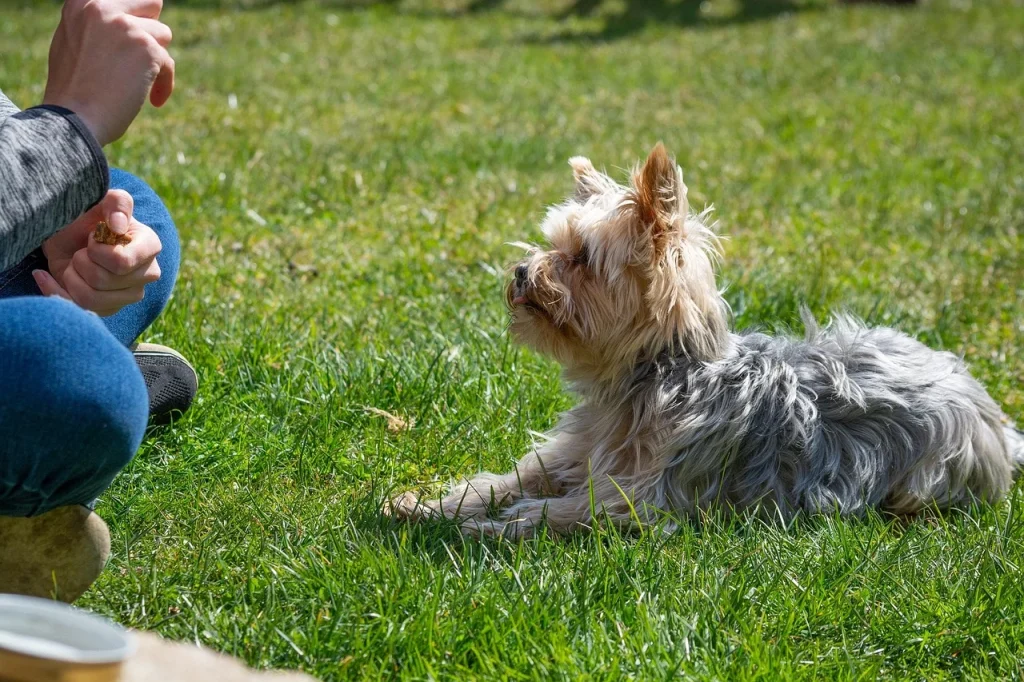
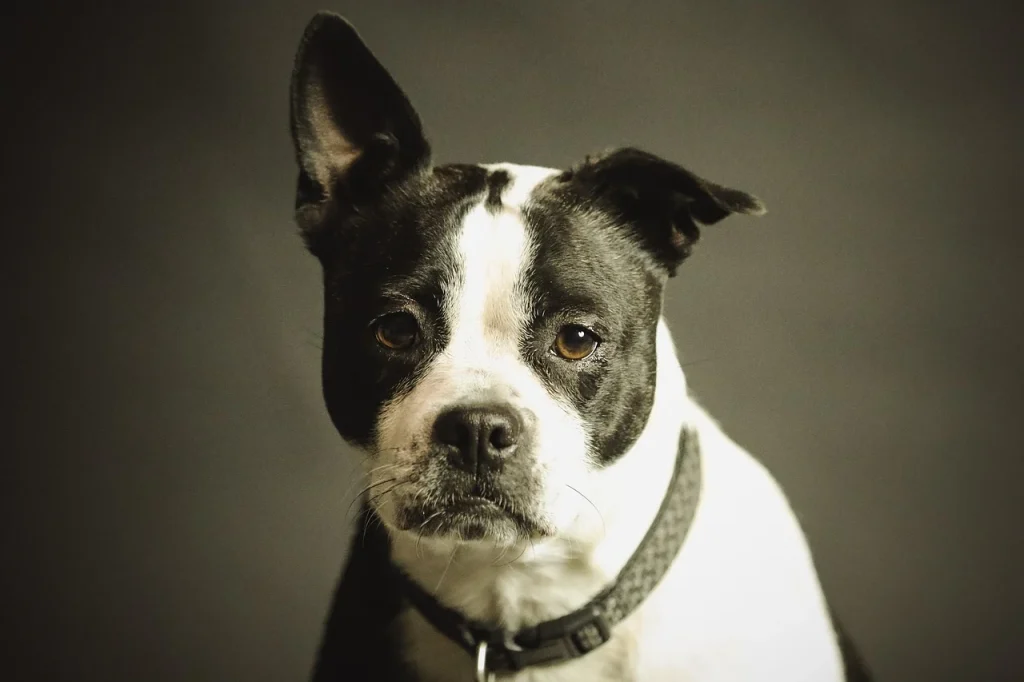
Dogs, our loyal companions, communicate with us constantly, even without uttering a single human word. Their world is rich with subtle cues – a twitch of an ear, a shift in posture, the cadence of a bark – all forming a complex “secret language” that, once understood, can profoundly deepen our bond and enhance their well-being. This article delves deep into the fascinating realm of canine body language, providing you with the expertise to decode your dog’s true emotions, needs, and intentions.
The Foundation of Canine Communication: Why Body Language Matters
For millennia, dogs have evolved alongside humans, developing sophisticated ways to interact with both their own kind and us. Unlike humans, who rely heavily on verbal communication, dogs primarily use visual and auditory signals. Misinterpreting these signals can lead to misunderstandings, stress, and even behavioral issues for our canine friends. A dog’s body language is their honest declaration, a raw expression of their internal state, free from human pretense. Learning to “read” these signs is not just a parlor trick; it’s an essential skill for responsible pet ownership, fostering mutual respect and trust.
Many typical dog training errors stem from misunderstanding or overlooking a dog’s body language.
(If you’d like to prevent these issues, you can learn more about common training mistakes here.)
Decoding the Tail: More Than Just a Wag of Happiness
The tail is perhaps the most famous, yet often misunderstood, indicator of a dog’s mood. While a wagging tail is frequently equated with happiness, the reality is far more nuanced. The height, speed, and direction of the wag all play crucial roles in conveying specific messages.
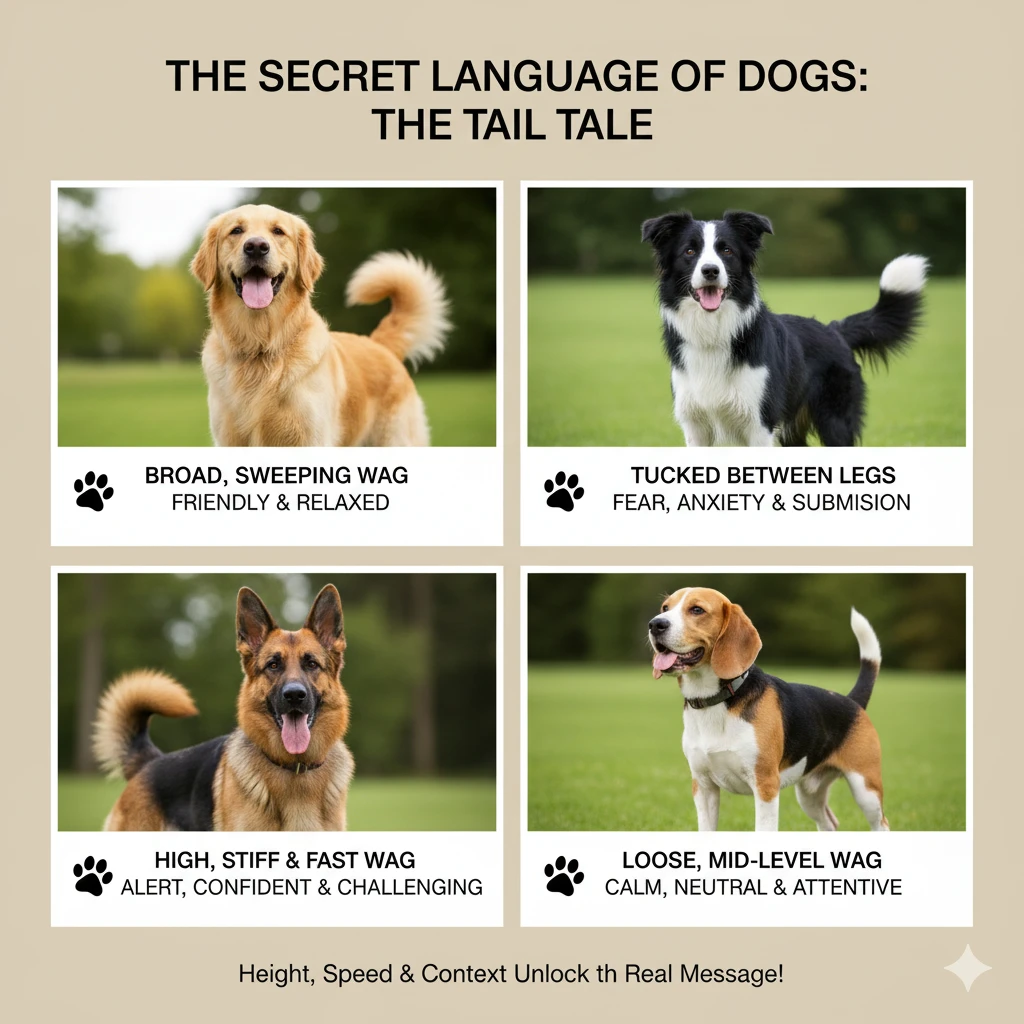
- High, Stiff, and Rapid Wag: This isn’t always a sign of joy. A tail held high, often with a slight, rapid vibration or stiff wag, typically indicates high arousal, alertness, and confidence. It can precede a challenge or an assertive interaction. The dog is assessing the situation and might be feeling dominant or territorial.
- Broad, Sweeping Wag (often with hip wiggles): This is the quintessential “happy dog” wag. It signifies friendliness, excitement, and a desire for social interaction. The dog is relaxed and approachable, openly inviting engagement.
- Tail at Mid-Level, Loose Wag: A neutral, relaxed tail position often indicates a calm, content, and attentive dog. They are observing their surroundings without significant excitement or apprehension. This is a good baseline for a comfortable dog.
- Tail Tucked Between Legs: This is an unmistakable sign of fear, anxiety, or submission. The dog is trying to appear smaller, less threatening, and is actively seeking to avoid confrontation or express deference. It’s a plea for space and understanding.
- Slow Wagging Tail: A slow, deliberate wag can indicate uncertainty, thoughtfulness, or even mild apprehension. The dog is processing information and might be hesitant about how to respond.
Expert Tip: Pay attention to the direction of the wag. Research suggests a wag predominantly to the right side of the dog’s body (from the dog’s perspective) can indicate positive emotions, while a left-sided wag might signal negative ones.
The Expressive Ears: A Window to Their Focus and Feelings
A dog’s ears are incredibly dynamic, acting like miniature radar dishes that constantly pivot and adjust, revealing their level of attention, emotional state, and even their intentions. Their mobility allows for a wide range of nuanced expressions.
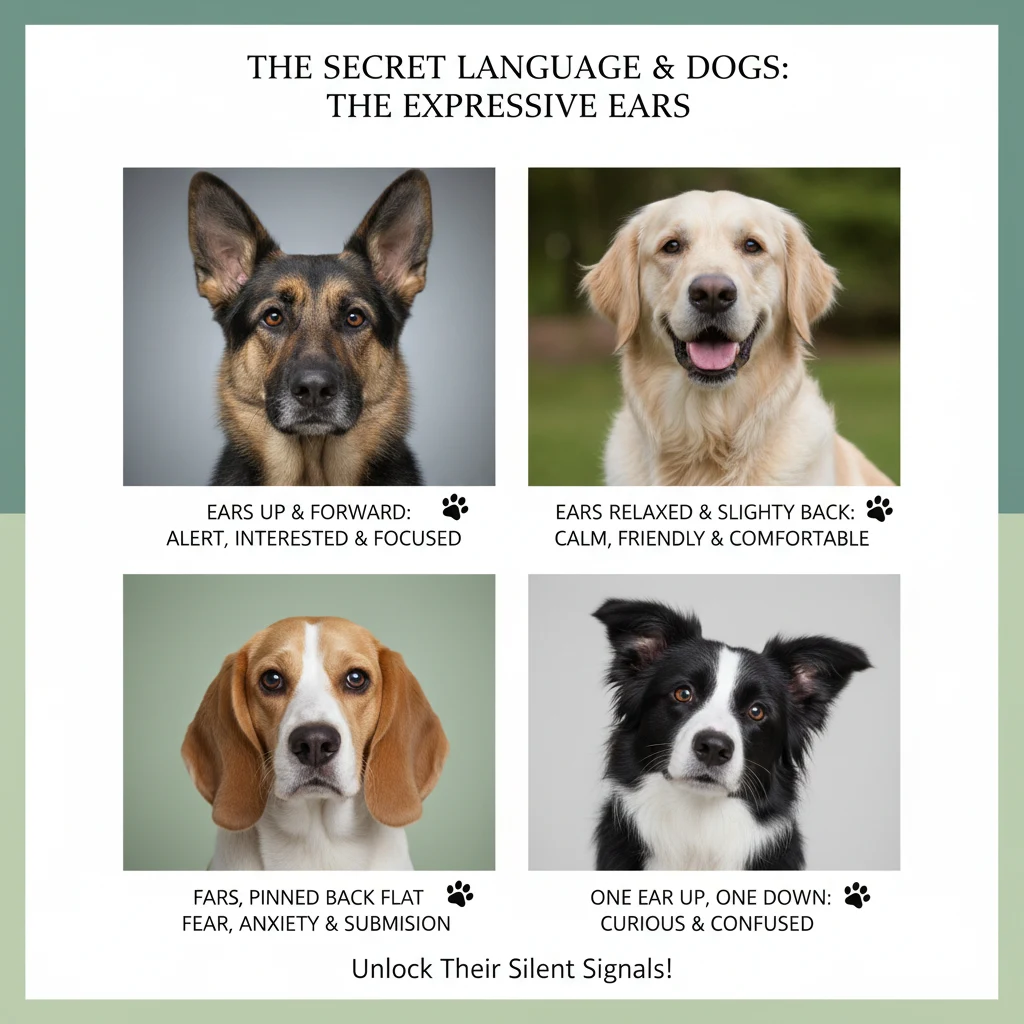
- Ears Up and Forward: This posture screams alertness, focus, and interest. The dog is actively listening and processing sounds, often indicating curiosity or attention to something in their environment. In some cases, combined with a stiff body, it can precede a challenge.
- Ears Relaxed, Slightly Back or to the Side: This is the hallmark of a content, friendly, and comfortable dog. They are at ease, perhaps soliciting attention or enjoying gentle interaction. This is an excellent sign of a relaxed and approachable canine.
- Ears Pinned Flat Against the Head: This is a strong indicator of fear, anxiety, or even aggression. The dog is feeling threatened, submissive, or extremely uncomfortable. This posture often accompanies other stress signals like a tucked tail or lip licking. It’s a critical warning sign to give the dog space.
- One Ear Up, One Down (or ears moving independently): This often suggests curiosity, confusion, or a dog trying to pinpoint the source of a sound. They are actively engaged in thought, processing stimuli from their environment.
- Ears Swiveling: The dog is actively scanning its environment, trying to locate sounds or understand what’s happening around them. They are engaged and alert.
Authoritative Insight: The shape of a dog’s ears (prick, floppy, semi-prick) can influence how obvious these signals are, but the underlying intention remains consistent across breeds.
The Vocal Spectrum: Decoding Barks, Growls, Whimpers, and Howls
While body language is the primary mode of canine communication, vocalizations add another layer of richness and urgency. Each sound carries a specific message, further clarified by context and accompanying body language.
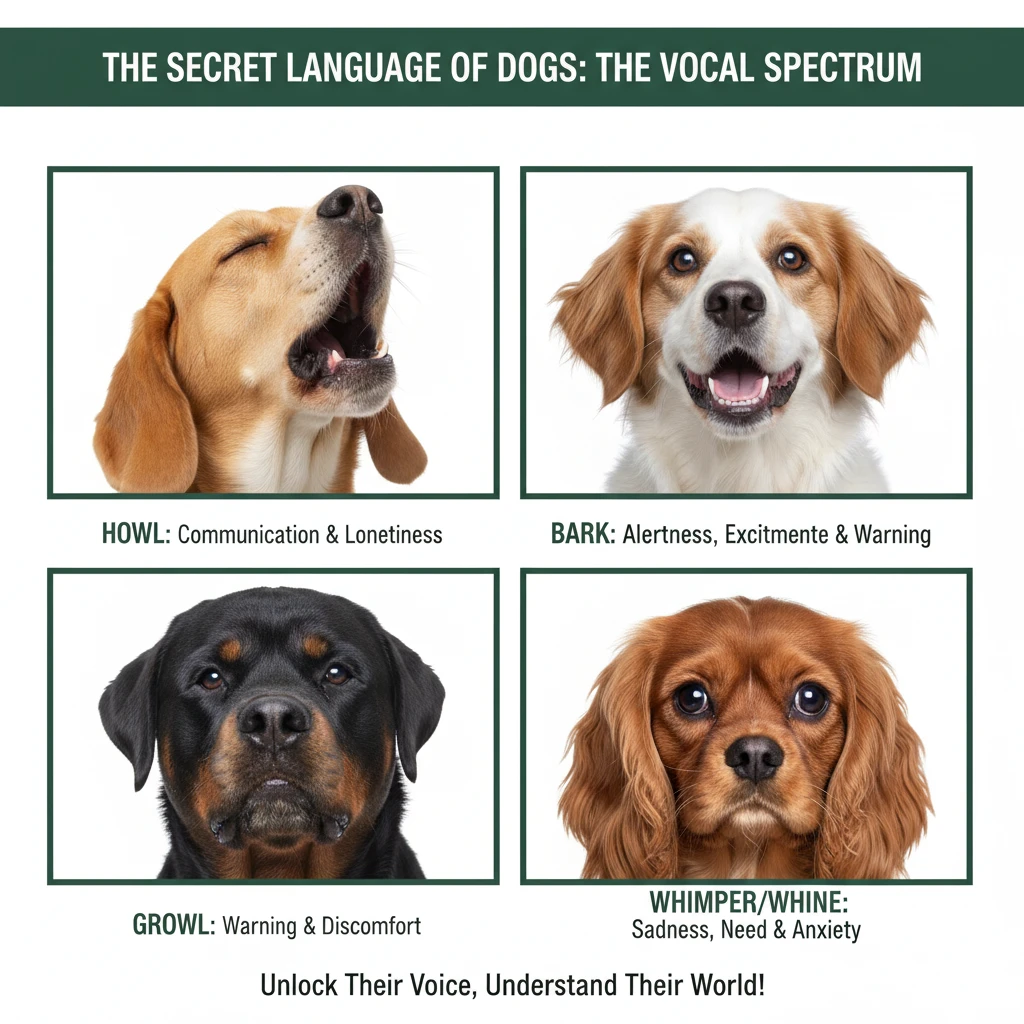
- Barks: Barks are incredibly versatile and vary widely in pitch, intensity, and frequency.
- High-pitched, short, often multiple barks: Usually an invitation to play, or excitement upon greeting.
- Low-pitched, continuous, rhythmic barks: Often an alert bark, signaling a perceived threat or territorial defense (“Someone’s here!”).
- Sporadic, singular barks: Can indicate loneliness, boredom, or a bid for attention.
- Rapid-fire, high-pitched barks: Sign of alarm or distress, often indicating fear.
- Growls: A growl is almost always a warning. It signifies “stop,” “back off,” or “I’m uncomfortable.” It’s a dog’s attempt to avoid escalating to a bite. Ignoring a growl is dangerous, as it forces the dog to use a more severe warning. Always respect a growl and assess the situation to remove the stressor.
- Whimpers/Whines: These high-pitched, often nasal sounds typically convey a strong emotional need or discomfort.
- Seeking attention/soliciting something: “I want food/water/to go outside!”
- Pain or fear: A dog in pain will often whimper, as will a dog experiencing intense anxiety.
- Frustration: A dog unable to reach a toy or a desired object might whine.
- Howls: Howling is a more ancestral form of communication, often used for:
- Long-distance communication: Announcing presence to other dogs or responding to sirens (which mimic a howl).
- Seeking companionship: Expressing loneliness or a desire to rejoin a “pack.”
- Excitement: Some dogs howl when very excited or stimulated.
Experience-Based Learning: Understanding barks often requires knowing your specific dog and the context. A bark that sounds aggressive from one dog might be playful from another.
For those who want to look after a chatty, highly social dog, a Samoyed puppy can be a perfect fit; check out our article “The True Cost of a Samoyed Puppy“
Beyond the Basics: The Nuance of the Full Body and Context
True mastery of canine communication comes from looking at the entire picture, not just isolated signals. A single cue can be misleading; it’s the combination of all signals – the tail, ears, eyes, mouth, posture, movement, and vocalizations – interpreted within their environmental context, that unlocks the full message.
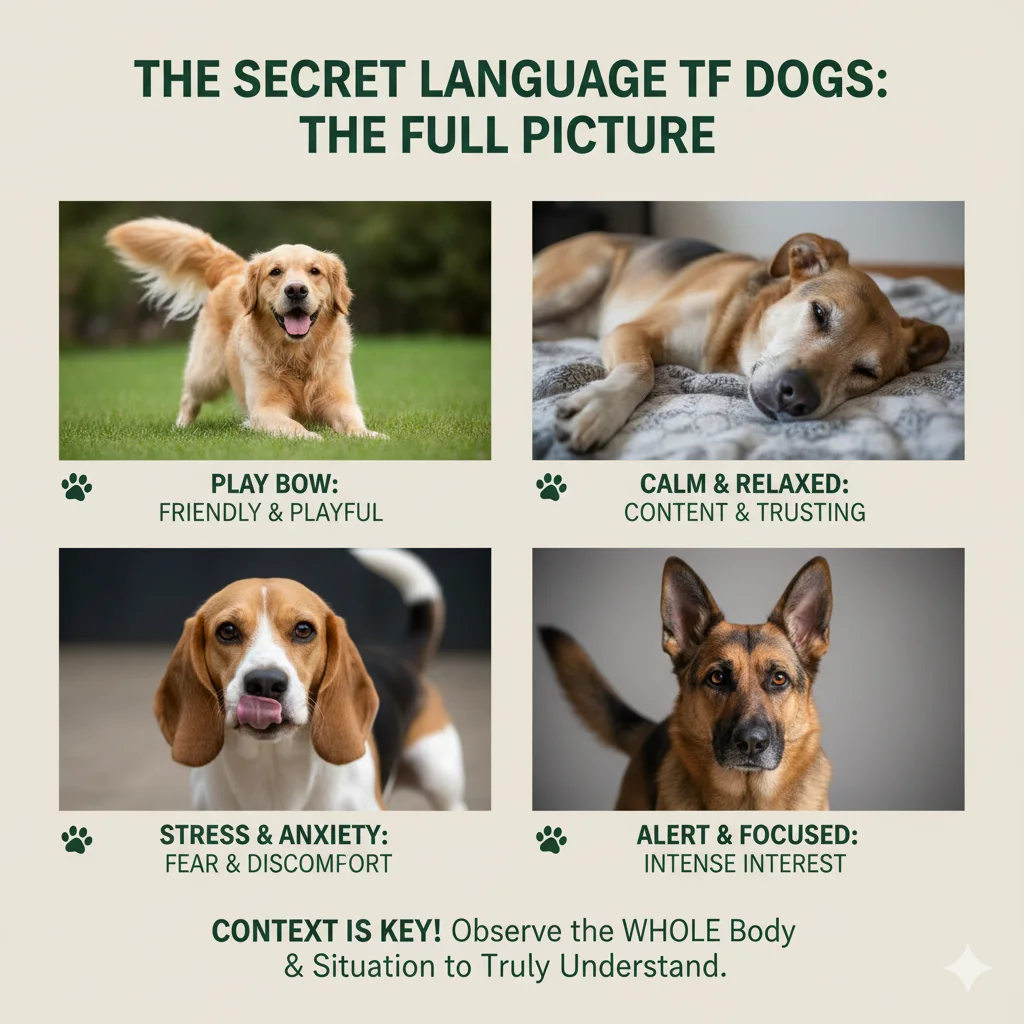
- The Play Bow: An unmistakable invitation to play. The dog lowers its front end, keeping its rear end up, often with a broad tail wag and a happy, open-mouthed expression. This universally recognized signal means “Let’s have fun!”
- Relaxed Posture: A dog that is calm and comfortable will have a soft body, relaxed muscles, loose tail (at mid-level), soft eyes, and possibly an open, “smiling” mouth. They might lie down with a relaxed posture, perhaps on their side or back.
- Tense/Stiff Body: A stiff, rigid posture often indicates fear, anxiety, or aggression. The dog is preparing for a potential confrontation or feeling highly stressed. Muscles will be visibly taut, and movement might be restricted.
- Avoidance Signals (Calming Signals): Dogs use a range of subtle signals to defuse tension or express discomfort without being aggressive. These include:
- Lip licking: Often a sign of stress or appeasement, not just hunger.
- Yawning: Also a stress signal, particularly when not tired.
- Head turning/Averting gaze: Trying to avoid confrontation or showing deference.
- Turning away/Walking in an arc: Creating space and avoiding direct approach.
- “Freeze”: Momentary cessation of movement, indicating high stress or an attempt to assess danger.
- Piloerection (Raised Hackles): When the fur along a dog’s spine stands up, it’s called piloerection. This is an involuntary physiological response to arousal, fear, or aggression. It makes the dog appear larger and more intimidating. It’s a clear sign of heightened emotional state.
- Eye Contact: Direct, hard eye contact can be perceived as a challenge or threat by a dog. Soft, blinking eyes indicate comfort and trust. Avoid staring directly into an unfamiliar dog’s eyes.
Trustworthiness and Authority: This information is grounded in decades of ethological research and practical canine behavior studies. By diligently observing these cues, you can become an expert in your dog’s language.
To find other helpful ways to care for your dog, check out tips on keeping your dog’s coat healthy.
Conclusion: Strengthening Your Bond Through Understanding
Learning the secret language of dogs is an ongoing journey, but a deeply rewarding one. By paying attention to their tails, ears, vocalizations, and entire body posture within context, you gain an invaluable window into their inner world. This understanding allows you to respond appropriately to their needs, alleviate their fears, celebrate their joys, and prevent potential behavioral issues. Invest the time in becoming a fluent communicator in “dog-speak,” and you’ll forge an even deeper, more harmonious, and trusting relationship with your beloved canine companion. Your dog is always talking to you; are you truly listening?