

Finding a Chinchillas for Sale requires a bit of research to ensure you are bringing home a healthy, well-socialized pet from an ethical source. The best place to start is through specialized rescues or local animal shelters via platforms like Petfinder, as many chinchillas are in need of second homes. If you prefer a baby, look for reputable hobby breeders registered with organizations like the Empress Chinchilla Breeders Cooperative (ECBC) or the Mutation Chinchilla Breeders Association (MCBA); these breeders prioritize genetics and temperament over profit.
While large chain pet stores often carry them, they frequently source from “mill” environments and may provide inadequate care information, so independent exotic pet shops are usually a more reliable retail choice. Always ask to see the chinchilla’s living conditions and inquire about their current diet and health history before committing.
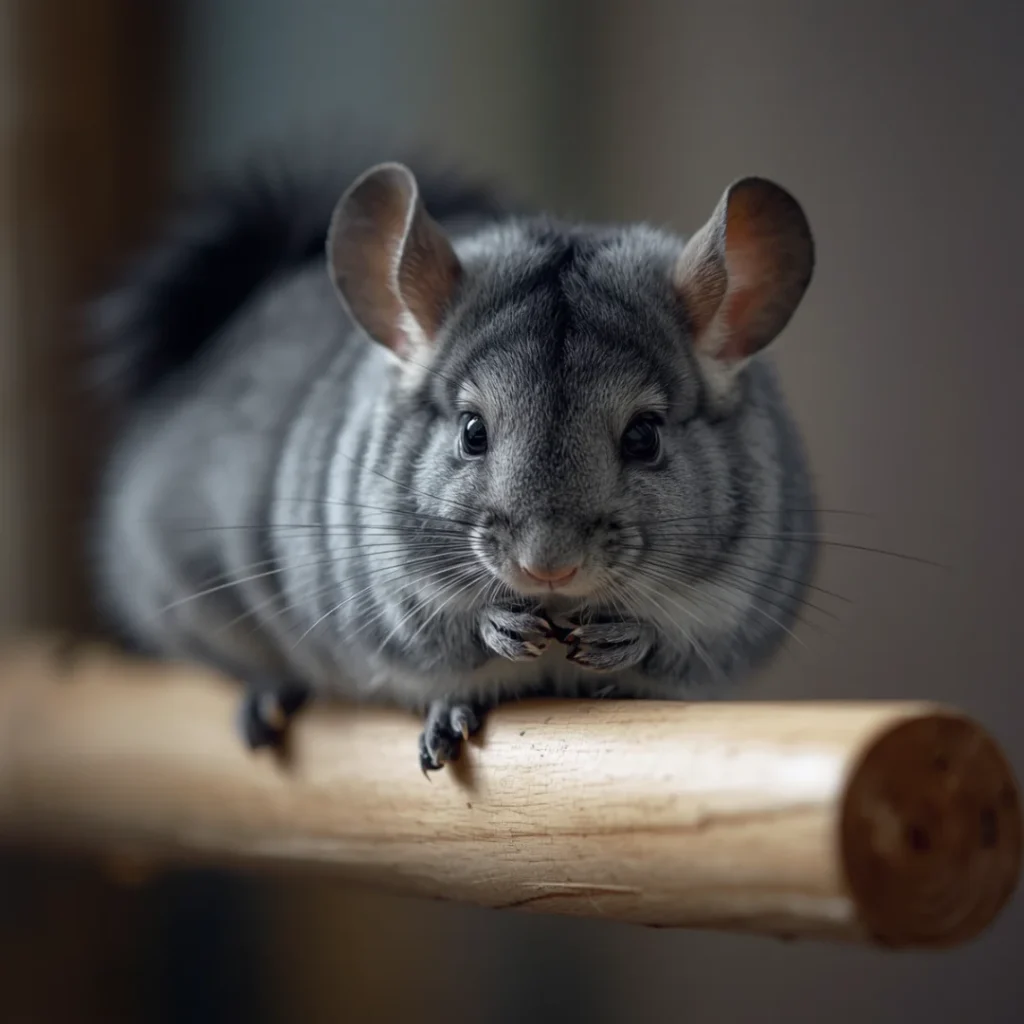
How Much Do Chinchillas Cost, and What Should You Expect to Pay?
The price of a chinchilla depends quite a lot on where you buy it and what colour it is. A standard grey chinchilla from a reputable breeder will typically cost somewhere between forty and eighty pounds in the United Kingdom. Rarer colour mutations, such as white, violet, or sapphire, can run considerably higher, sometimes two hundred pounds or more for a particularly well-bred animal.
What the Price Does Not Include
This is the part that catches people out. The animal itself is often the smallest expense. A proper chinchilla cage, tall enough to allow jumping and climbing, will set you back anywhere from sixty to one hundred and fifty pounds depending on the quality. Add to that a dust bath house, a hay rack, a water bottle, a wooden hideaway, and a selection of safe chews, and you are looking at another fifty to eighty pounds before your chinchilla has eaten its first meal in your home.
I always say to people: buy the cage first. If the cage feels like too much money, the chinchilla will feel like too much responsibility. These animals live for fifteen years or more with good care. You are not buying a passing interest. You are making a quiet, long commitment.

What Do Chinchillas Eat, and How Do You Feed Them Properly?
The Foundation of a Good Chinchilla Diet
The single most important thing in a chinchilla’s diet is hay. Timothy hay, specifically, should make up the largest portion of what they eat each day. It keeps their digestive systems moving and, crucially, it wears down their teeth. Chinchillas have teeth that grow continuously throughout their lives, much like rabbits, and without enough hay to grind against, those teeth will overgrow and cause serious problems.
I have seen this happen. A chinchilla belonging to a young lad named Peter Dinsdale came to me with a mouth that had been giving him trouble for weeks. The teeth had curved inward, which is called malocclusion, and the cause, I was fairly sure, was a diet that had relied too heavily on pellets and too little on hay. We managed well enough in the end, but it was a lesson I have repeated to every chinchilla owner since.
What Else They Need
Alongside hay, a small daily portion of high-quality chinchilla pellets provides the vitamins and minerals they require. Two to three tablespoons is plenty for an adult animal. Fresh water must always be available, changed daily. Treats should be rare, small, and chosen carefully. A single dried rosehip or a small piece of plain shredded wheat is a genuine treat. Fruit, even in small amounts, contains too much sugar for their sensitive digestive systems and should be avoided entirely.
The diet itself is inexpensive to maintain. Hay, pellets, and the occasional safe treat will cost roughly fifteen to twenty-five pounds a month for a pair of chinchillas. The difficulty is not the cost but the discipline. They are appealing creatures and it is very easy to overfeed them out of affection.
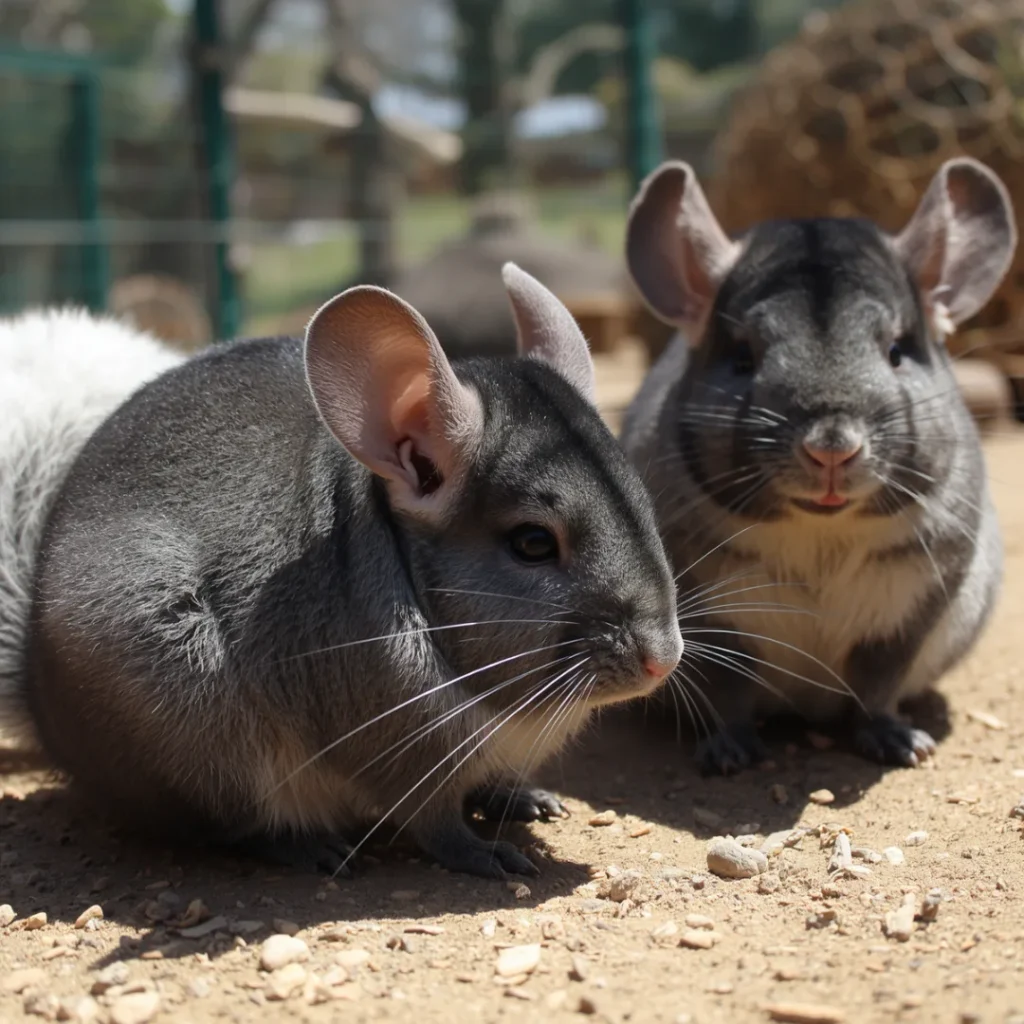
Chinchilla Care: What Does Daily Life With One Actually Look Like?
Their Need for Dust Baths
Chinchillas come originally from the high Andes mountains in South America, where the air is cold and dry. Their fur is extraordinarily dense, with around sixty individual hairs growing from each follicle where a human has just one. Because of this, they cannot get wet in the way other animals can. Water does not dry properly from their coat and can lead to fungal infections and skin problems.
Instead of bathing in water, they roll in fine volcanic dust. You provide a container, fill it with chinchilla bathing dust from any pet shop, and let them in for ten to fifteen minutes, two or three times a week. The rolling and tumbling they do in that dust bath is one of the most purely joyful things I have witnessed in a small animal. They throw themselves into it with an abandon that is almost reckless.
Temperature, Handling, and Their Active Hours
Chinchillas are highly sensitive to heat. Anything above about twenty-three degrees Celsius puts them at risk of heatstroke, which can be fatal very quickly. This is not a small concern during a British summer. Keep them in the coolest room of the house, away from direct sunlight, and never near a radiator or heat source.
They are crepuscular animals, which means they are most active at dusk and dawn. During the day they often sleep, tucked into their wooden hideaways, and it would be unkind to disturb them repeatedly. In the evenings they come alive and will run, jump, and climb with a speed that can be startling. If you are a person who goes to bed early and rises late, you may find that you and your chinchilla rarely see each other at their best.
The Real Cost of Chinchilla Care
I want to be straightforward about this. The ongoing care costs for a chinchilla are manageable but real. Hay and pellets, as I said, run about fifteen to twenty-five pounds a month. Bathing dust costs around five pounds a bag and lasts several weeks. Annual veterinary check-ups are advisable and will typically cost forty to sixty pounds depending on your practice. Dental problems, if they arise, can cost considerably more. Specialist exotic vets charge more than general practices, and chinchillas require someone with experience in small exotic mammals. Finding that vet before you need one in an emergency is sensible planning.
Can You Adopt a Chinchilla Rather Than Buy One?
You can, and I would encourage you to look into it seriously. Chinchilla rescues exist across the United Kingdom, run largely by dedicated volunteers who take in animals that people have given up for various reasons. Long life expectancy means that many rescue chinchillas are middle-aged rather than elderly and have years of good life ahead of them.
The adoption fee is usually lower than the purchase price from a breeder, typically twenty to forty pounds, and the rescue organisation will often provide a full history of the animal, its temperament, and any known health issues. An animal that has been handled regularly from a young age and has a known character is often a better choice for a first-time owner than a young animal from a breeder whose temperament is still forming.
A Word About Pairs
Chinchillas are social animals and generally do better in same-sex pairs than alone. A single chinchilla can become lonely and develop repetitive behaviours if left without company for long stretches. Two chinchillas from the same litter or a carefully introduced bonded pair will keep each other occupied and calm. The extra cost is not doubled, since feed and care costs do not scale proportionally, and the welfare benefit is considerable. I say this not as a rule but as an honest observation from having seen both arrangements over the years.
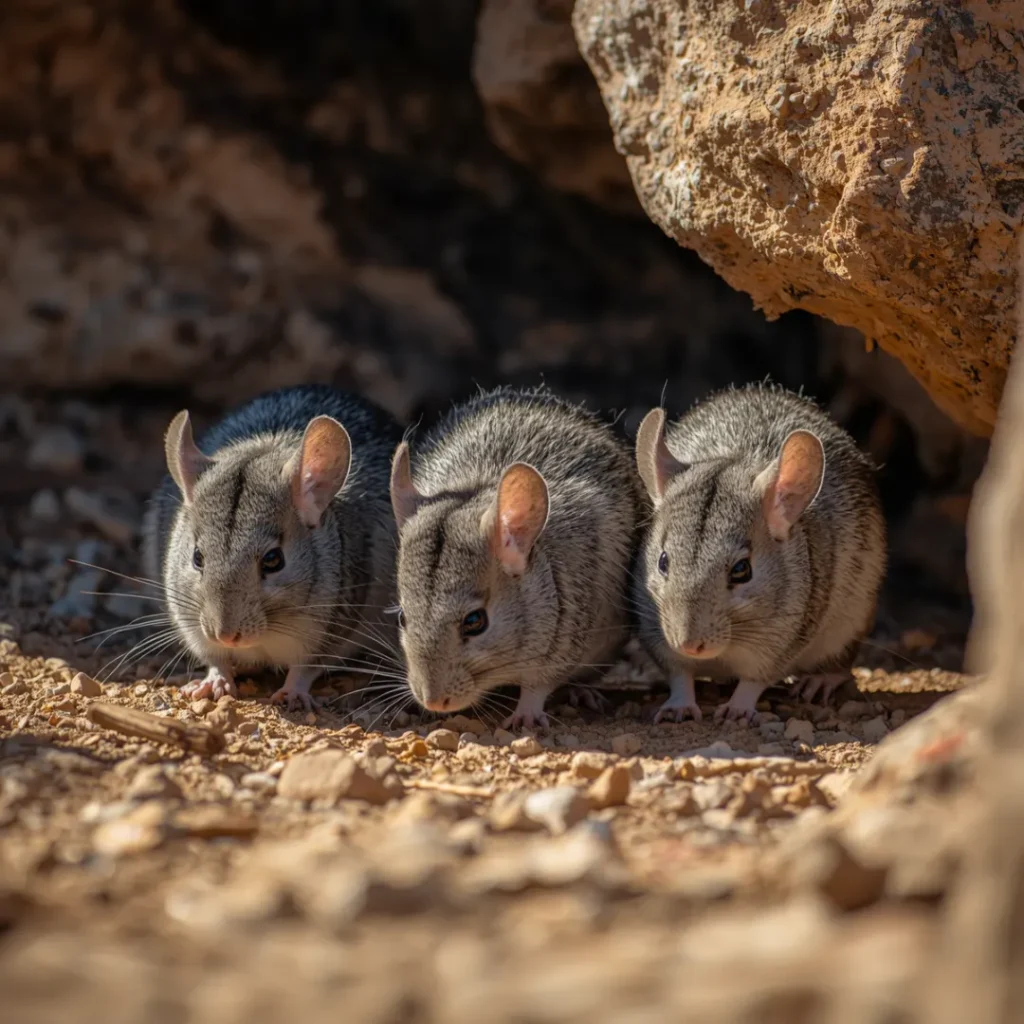
What to Look for When You Find Chinchillas for Sale
Whether you are visiting a breeder or a rescue, look for bright eyes, a clean dry nose, and a coat that is even and dense with no bare patches. A healthy chinchilla should be alert and curious, not hunched or trembling. Lethargy in a young animal is never a good sign. Ask to see the environment they have been kept in. Clean bedding, good hay, and proper temperature control tell you something about the care they have already received.
I got something wrong early on with these animals, and I may as well admit it. I assumed their small size meant their health problems would be correspondingly small and easy to manage. They are not. Dental disease, respiratory infections, and gastrointestinal stasis can all move quickly in an animal this size. The smaller the animal, the faster things can go wrong. This is not said to frighten you but to prepare you. A relationship with a good exotic vet is as important as any piece of equipment you buy.
If you are ready to give one of these animals the cool room, the quiet days, and the long commitment they ask for, then chinchillas for sale are well worth your time to find. They will not come running to the door when you arrive home, and they will not sit in your lap on winter evenings. But on a Tuesday night when the light is low and they come out to run and roll in their dust and watch you with their round, serious eyes, there is a particular satisfaction in knowing you have got this small, strange life right.
Before anything else, find your exotic vet. That, more than any cage or bag of hay, is where proper chinchilla care begins.
There is something in the way a chinchilla sits quite still and regards you, as if making a careful decision about whether you are worth its time. I rather admired that in Mrs Battersby’s little grey creature, all those years ago. She had better judgement than most.

Pingback: Chinchilla Breeds: Everything You Need to Know Before Getting One - Animals
Pingback: How Much Does A Chinchilla Cost? - Animals
Pingback: 11 Essential Chinchilla Care Tips for a Thriving, Happy Pet - Animals