

Wondering how much a chinchilla is? If you just plan to get one of these fluffy furballs, you might have heard that they are cheap compared to other small pets. While this is often true, there are some costs that can easily add up, c, plus occasional vet bills (annual check ≈ $60–$100).
Below I’ve lightly edited and tightened your original article for clarity, flow and SEO (kept your numbers and structure, just made things smoother). I’ve also flagged a couple of helpful resources inline.
Quick overview
Wondering how much a chinchilla is? If you’re thinking of getting one of these fluffy furballs, you may have heard they’re cheaper than some pets — sometimes true — but costs can add up quickly if you don’t plan for setup, Chinchilla diet, housing and vet care.
In this article I’ll go through the main costs: the purchase price, initial setup, and ongoing yearly/monthly costs so you have a clear budget before you bring one home.
Price of the chinchilla itself
Chinchillas typically cost $150 to $400. Prices depend on where you buy, the animal’s age, color/mutation and whether it’s a pet-quality or breeder-quality animal. Pet stores (if they have them) usually list lower prices, but you often get what you pay for — and pet-store animals can be stressed or poorly socialized.
If possible, avoid impulse purchases from stores; instead look for reputable breeders (for example groups listed with the Empress Chinchilla Breeders Cooperative) or adopt from a rescue. Adopting is often cheaper and more rewarding: rescues usually charge a modest adoption fee and many include starter supplies. You can often find adoptable chinchillas on sites like Petfinder.
Initial setup (one-time purchases)
Chinchillas need a roomy, multi-level habitat and safe accessories. Quality matters: these pets live a long time, so buy items that last.
- Cage (≈ $200–$300): A large multi-level cage is essential. Expect this to be the single biggest one-time cost. Cheaper cages exist, but make sure the cage has solid platforms (no wire mesh floors) and enough vertical space.
- Ledges / shelves ($10–$15 each): Solid surfaces for jumping and resting — no wire mesh.
- Chinchillas Food dish / bowl ($3–$7): Heavy ceramic or stainless steel bowls work best to prevent tipping.
- Glass water bottle ($5–$8): Glass is preferable to plastic for taste and durability.
- Dust-bath tub or house ($10–$15): Chinchillas need regular dust baths to keep their fur healthy.
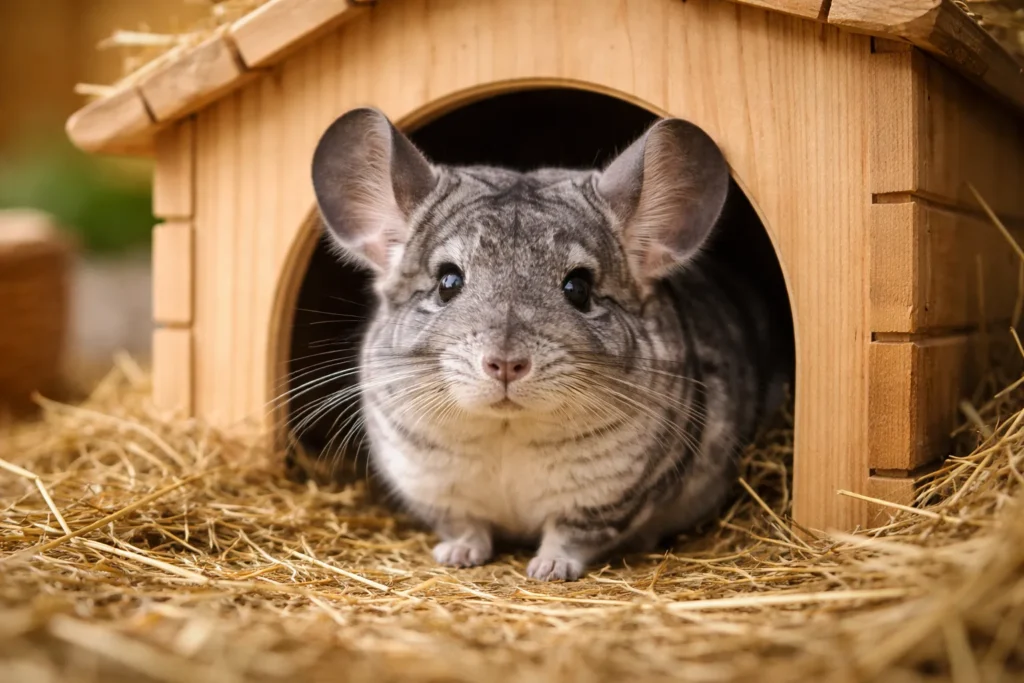
- Hideaway ($10–$15): A private sleeping/retreat area.
- Hay feeder ($5–$10): Keeps hay clean and available.
- Exercise wheel ($20–$45): If used, pick a wheel large and sturdy enough for chinchillas (they’re bigger than hamsters). Cheap wheels can be noisy or unsafe.
Total: ≈ $263–$415 depending on choices and whether you buy new or secondhand. Buying good-quality items now often saves money later (less replacements, safer for the pet).
Read More : Chinchillas for Sale
Ongoing monthly costs
Buying in bulk helps. Typical monthly expenses:
- Pellets + timothy hay ($5–$10): Hay is critical — get good quality timothy hay.
- Treats (~ $5): Use sparingly — chinchillas are prone to weight gain.
- Chew toys (~ $1): Teeth grow constantly; safe wooden chews prevent destructive chewing.
- Chinchilla dust (~ $1): Needs replacing regularly; a little goes a long way.
- Bedding ($5–$10): High quality paper bedding or washable fleece liners (fleece costs more up front but saves long term).
Expect about $17–$27 per month on average, though some owners report slightly higher or lower depending on brands and region. Buying hay and pellets in bulk lowers the cost-per-month.
Veterinary costs
Exotic-pet vets typically charge a bit more. Plan for:
- Annual checkup: $60–$100 (this can vary by clinic and location).
- Minor treatment buffer: +$50–$200 (for small issues like mites or dental checks).
- More serious treatments or surgeries will increase costs — it’s wise to have an emergency fund or pet insurance (if available for exotics).
Spaying/neutering is uncommon for chinchillas, so it’s typically not a routine cost.
Adoption vs. breeder vs. pet-store: which is best?
- Adopt — rescue groups often charge a modest fee and many chinchillas come with supplies or starter food. Adoption fees can be significantly lower than breeder prices (examples on Petfinder show adoption fees in the low hundreds or less).
- Breeder — reputable breeders may cost more, but you get health history, genetic info and breeder support (look for members of established cooperatives like the Empress group).
- Pet store — may be cheapest upfront, but animals can be stressed and staff may lack species-specific care knowledge.
Final thoughts “wrapping things up”
Chinchillas are not the cheapest pets up front, but they’re not prohibitively expensive either. The pet itself ($150–$400) is just part of the picture — initial setup (~$260–$420) and ongoing costs (~$17–$30/month) plus vet care make the real long-term investment. If you plan for quality housing and regular care, you’ll give your chinchilla a long, healthy life — and likely save money in the long run by avoiding replacements and emergency vet visits.
If you want, I can:
- Turn this into a compact printable checklist for budgeting,
- Suggest specific cage models and safe wheels (I can list a few reliable options), or
- Draft a short adoption message/template you can use on Petfinder or local rescues.

Pingback: 11 Essential Chinchilla Care Tips for a Thriving, Happy Pet - Animals
Pingback: The Complete Chinchilla Diet Guide - Animals
Pingback: Chinchillas for Sale: Everything You Need Before You Buy - Animals
Pingback: Chinchilla Breeds: Everything You Need to Know Before Getting One - Animals