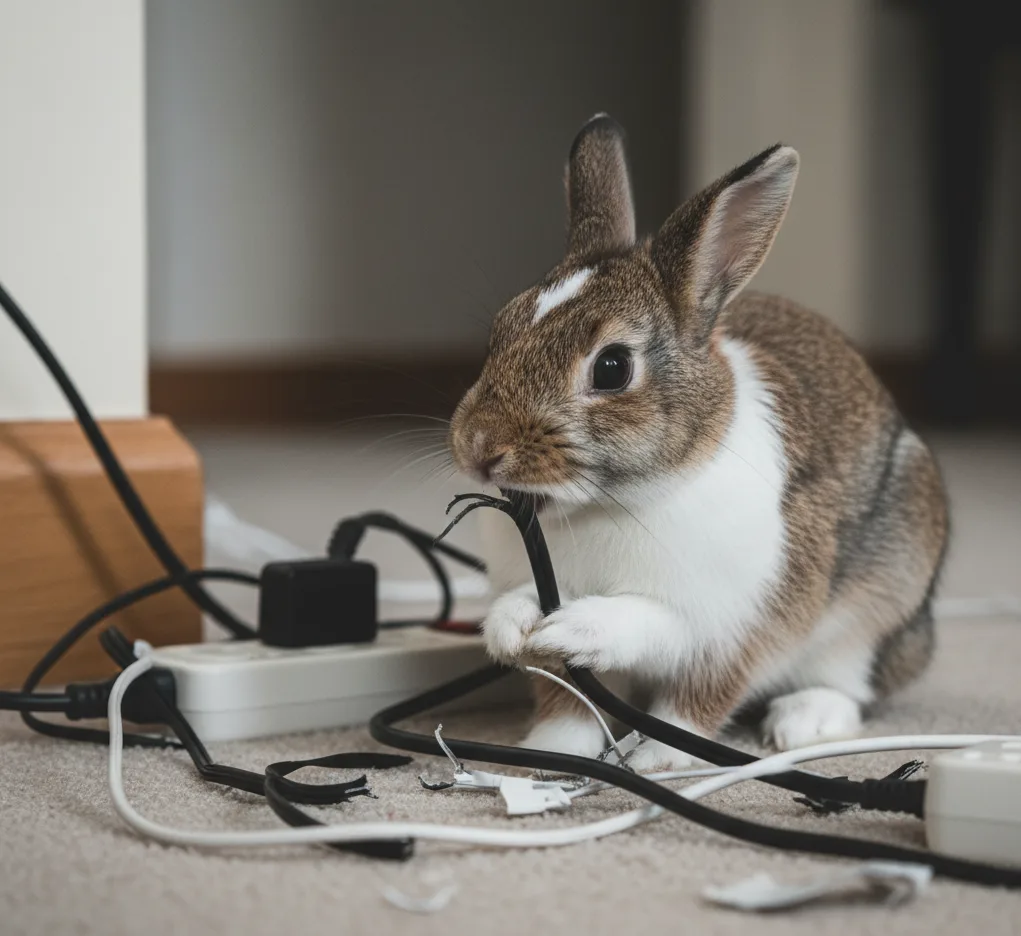

Why do you think ur Rabbits Fighting well picture this: your two fluffy house-bunnies used to cuddle, and now they’re suddenly squabbling – head-butting, nipping or even mounting each other. It’s like seeing siblings argue over a toy, and yes, it’s scary. But before you panic, remember that rabbits have complex social lives.

In fact, experts note that a rabbit may fight to show dominance, and they “may even fight as part of their bonding process”. In other words, some tussling is normal rabbit behavior – yet it can feel like a full-on feud. We’ll break down the usual suspects (from hormones to hurt feelings) and share how to bring peace back to your rabbit family
Are They Really Fighting… or Just Playing?
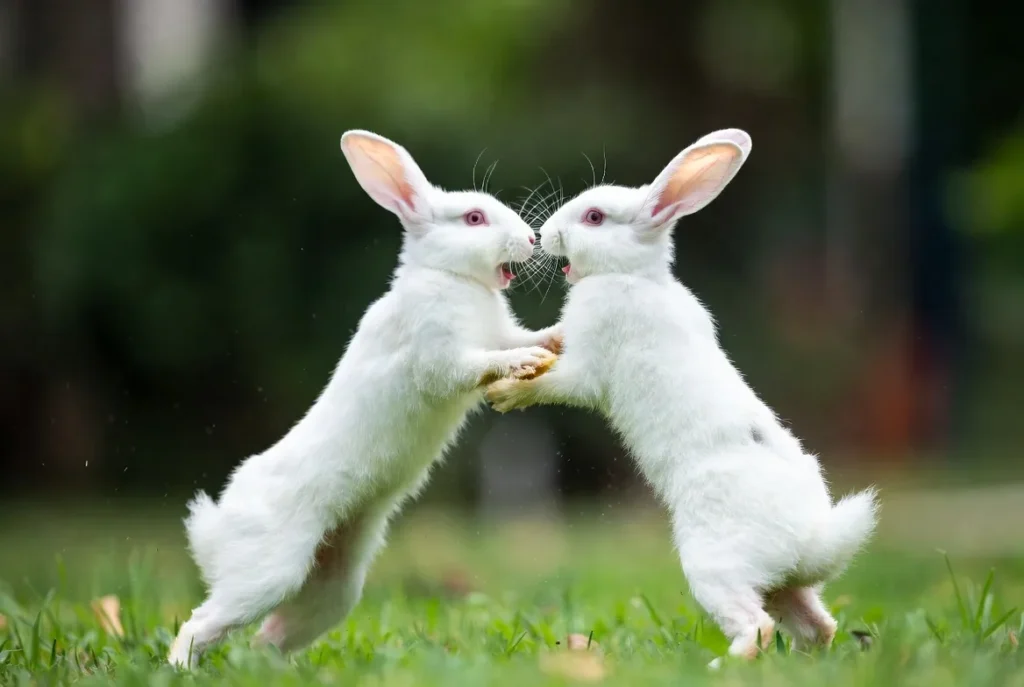
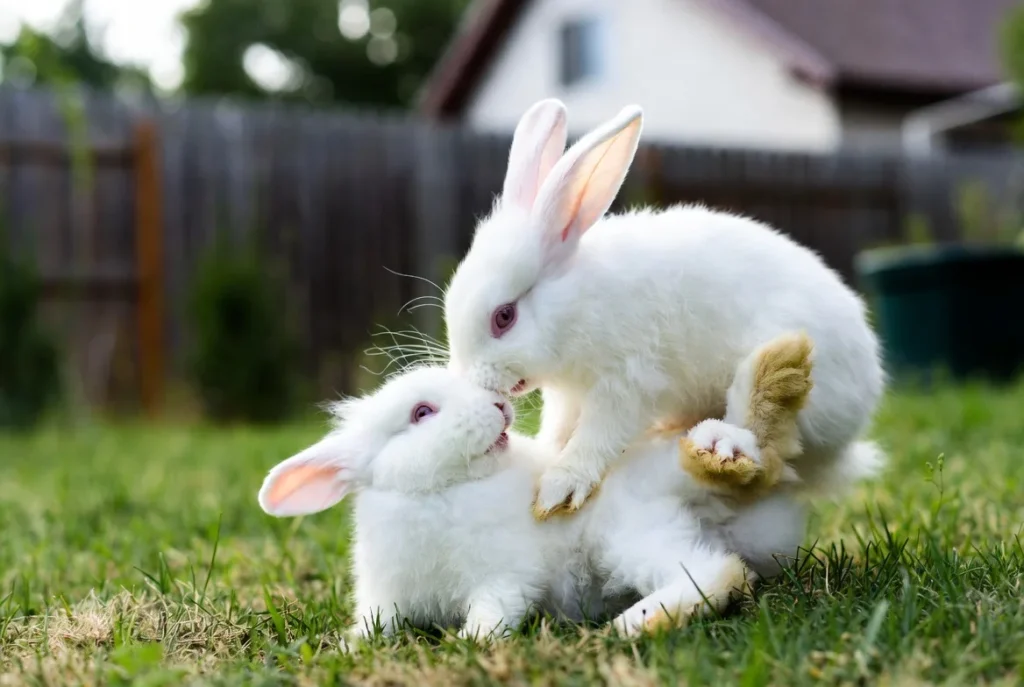
Not every hop and flop is a brawl. Rabbits use play and mating behaviors that mimic fighting, so it can be hard to tell. In playful wrestling you’ll often see one bun lunge and then hop away, or gentle nips and nose-bumps that end with both bunnies retreating on friendly terms. Real fights, by contrast, come on fast and vicious: look for face and head attacks, fur flying, loud growling or grunting, and serious chases or bites that break skin. The moment you spot a hard, sustained bite or a rabbit screaming, it’s a fight – and not just a spirited spar. Play fights are mutual and brief; real fights are relentless. In a showdown, the victim often circles in escape mode or gives a desperate thump.
So ask yourself: are they just being frisky (then they stop and groom afterwards), or is there blood and wrestling with snarls? If it’s the latter, you really do have a fight on your hands.

Common Triggers of Rabbit Fights
Before we go any further, let’s overview the usual suspects. Rabbits usually brawl for predictable reasons. Here are some common triggers to keep an eye on:
- Hormones and puberty: Unfixed rabbits hit a “teenager” phase around 4–6 months old, getting moody and territorial. An intact buck or doe frustrated by mating urges can lash out.
- Territory and hierarchy: Rabbits are extremely territorial (especially females) and need to assert who’s boss. A new “invader” or even a sudden change in space can ignite disputes.
- Health or pain: A sick or injured rabbit often hides its misery but will bite if hurting. Sometimes a healthy bunny senses weakness in the partner and decides “I’m top bunny now”.
- Stress and changes: Any shake-up – a new pet or person in the house, moving their pen, a trip to the vet, different food, cleaning spray or bedding – can upset rabbits. Unfamiliar scents, like a new perfume or lotion, can even be perceived as a threat.
- Space and resources: Cramped cages or scarce resources cause fights too. If two bunnies compete over one food bowl or tiny hiding spot, expect squabbles. Give every bunny plenty of hay piles and water, and multiple hidey-holes so no one feels cornered.
- Boredom: Like restless kids, bunnies left without enough toys or digging time can turn on each other. Studies show that adding tunnels or balls halved stress hormones in paired rabbits, implying that enrichment can defuse frustration.

Each of these factors alone – or any combination – can flip calm rabbits into combat mode. Understanding what changed or which instinct is kicking in can help you diagnose the cause.
Picture two bonded buns that normally get along – until one day they don’t. Even “best friend” rabbits can start fighting. For example, a healthy duo might suddenly squabble if one bunny senses the other is weaker (from sickness or age) and decides to establish dominance. Or if one rabbit reaches maturity and starts challenging the pecking order. Even the calmest pair can fall out after their world shifts. Think of it like siblings who usually play nicely but sometimes fight when they want the same toy or territory. In rabbits’ case, it could be as simple as a new scent on your hands or an extra bowl of food coming into play.
Now let’s unpack the big reasons in a bit more detail.
Hormones: The Teenage Bunny Rollercoaster
Rabbits mature fast. Around 4–6 months they reach puberty, and if unneutered, hormones kick in like a teenage attitude switch. Bucks and does alike can suddenly become territorial, jumpy or aggressive. House Rabbit Society vets warn that “the biggest behavior change happens at 4 months” and that you should spay/neuter by then. In fact, a scientific study of young male rabbits found that castrated males were much more compatible – intact brothers tended to fight during adolescence. In short: intact rabbits can be feisty! Even a pair that got along fine as kits might start squabbling once they hit that hormonal phase. If yours aren’t fixed yet, talk to your vet: neutering will calm both sexes and prevent many fights. (It often takes a few weeks for things to settle down post-op, so patience is key.)
Territory and Pecking Order
Rabbits live by territory – even at home. They mark cages with droppings and chin-rubs to claim space. Females especially can become tiny turf-warriors: Bunny experts note that a doe will thump, grunt or nip to protect her area. So if your buns are cooped up in one room or pen, watch for one taking the “alpha” role. If that bunny feels invaded (by the other rabbit’s presence or even by you changing their environment), he or she may attack.
Foreign scents are a surprise to them: a new perfume, dog or even a freshly cleaned litter box can provoke a defensive reaction. Remember: humans ignore these smells, but rabbits have superpower noses. If something smells “off,” a rabbit might see it as an intruder. That’s why introducing new rabbits must be done in neutral territory – and slowly. If not introduced carefully, even bonded buns may slip back into guarding their former “house” turf.
Health and Hurt Feelings
Rabbits hide pain exceptionally well (a survival instinct), so a sudden attack can actually be a cry for help. One vet source bluntly says, “rabbits will bite out of pain”. If one rabbit has a toothache, ear infection or muscle pain, he might not let you pet him — and he may shove the other bunny away. Likewise, if a previously dominant rabbit becomes weak (illness, aging), the partner may challenge them. In that case, the fight is a response to a changed balance. Always do a health check: are both rabbits eating, grooming, and behaving normally? If one is off and then aggression starts, get that bunny to the vet. A clean bill of health often stops the fights by showing there’s no advantage to the aggressor.

Stress, Changes and Boredom
Rabbits are sensitive to routine and space. Think of their enclosure as “home base.” Even subtle changes can stress them out. Moving furniture, introducing new pets or even rearranging a hiding box can throw them off balance. Indoor bunnies view the whole house as their territory, so don’t assume they’ll adapt easily to changes. Trips to the vet or a stay at a neighbor’s can leave them anxious or smell-different, spurring irritation when they return.
Boredom also crops up as a cause. A Hutch just stuffed with hay and one toy? Not enough. As one researcher puts it, rabbits without engaging activities will stay on edge. In fact, a study at Harper Adams University found stress hormones nearly halved when rabbits were given simple enrichments like tunnels, balls or digging boxes. In practice, that means a bored rabbit is more likely to snap at its cage-mate. Make sure your buns have plenty of things to chew, toss, dig and hide in. More stimulation usually means less pent-up aggression.
Signs You’ve Crossed the Line
You might wonder “how do I know if this is serious?” Here’s a clue: blood and fearful behavior. A real fight won’t stay playful for long. Watch those ear positions and posture – a flattened, back-sweeping ear or thumping hind leg is a warning sign. If one bunny pins the other, snarls or make a distress scream (yes rabbits can scream when terrified), it’s definitely time to intervene. At that point, separate them calmly and check for injuries.
So, What Now? Keeping the Peace
Prioritize Safety Immediately
First, safety first. If your rabbits are mid-fight, never shove your hand in. Instead, try a loud clap or set a broom between them. Some owners use a heavy towel or dustpan to gently separate bunnies without getting bitten. Once apart, allow the dust to settle. Take each rabbit to a safe space (even separate rooms) so they can calm down and recover from any panic.
Adjust Their Environment
Next, adjust their world. Re-examine everything: Maybe one bunny has a better hiding spot or feeding station than the other. Give each bunny its own space and resources – separate hay piles, two water bottles, and extra hide boxes in the pen. Rabbits should never feel backed into a corner. If their run or cage is too cramped, consider getting a larger enclosure or letting them free-roam (supervised) more often. In one advice list, experts emphasize having no “cornerable” spots and plenty of exits on all hiding areas.
Spay or Neuter for Hormonal Balance
Also, spay or neuter if you haven’t. Almost every behavioral expert agrees that fixing your rabbits is the best step toward harmony. Neutering significantly reduces hormone-driven aggression. A carefully controlled study even showed that once males were castrated, harmony in pairs improved dramatically. In short, get them to the vet on this front – it calms their tempers and prevents certain cancers too.
Re-Introduce Them Slowly
If they’re already fixed, re-introduce slowly. Treat it like first dates: neutral territory, short sessions, plenty of supervision. Bonding rabbits can take weeks or months, so patience is key. Many bunny caregivers use “float and swap” techniques or neutral pen time to re-establish peace. During these sessions, reward gentle behavior with treats or chin-rubs so they associate each other with good things.

Encourage Positive Interaction
Engage them! Try supervised playdates in a neutral room with toys and tunnels. A shared puzzle feeder or scattering fresh herbs can distract and create positive interactions. This way, they’ll have something else to focus on besides fighting over dominance. If boredom was part of the problem, consider adding more environmental enrichment at home: tunnels, cardboard boxes, chew toys, and digging pits (a shallow bin of shredded newspaper or hay) go a long way in burning off excess energy.
Monitor Consistently
Throughout, monitor carefully. Keep their lives consistent – feed at the same times, handle them calmly and predictably, and avoid sudden surprises (like blasting music). If one rabbit was at the vet, bring the other along so they stay familiar; bonded rabbits support each other during stress. And if you do separate them (even temporarily), let them see and sniff each other through a mesh wall or gate – completely isolating bonded bunnies can itself cause stress.
Restore Harmony Over Time
The good news is, with care you can usually restore harmony. Rabbits can remember fights, but they can also remember gentle peace-making. Spend time with each bunny individually giving affection (e.g. petting under the chin) and then together with treats in a calm setting. Speak softly and keep environments predictable; you’ll notice body language relax over time. Each small positive interaction chips away at the anxiety or rivalry that sparked the fighting.
Finally, know when to get help. If bites leave wounds or if the fights just escalate, don’t hesitate to call your vet or a rabbit-savvy behaviorist. Persistent aggression sometimes means you need a second pair of hands (or eyes) to sort it out.

Veterans and experienced people thought
Rabbit fighting can be heart-wrenching to witness, but for the most part, it’s a solvable problem. Think of it like a domestic dispute: intervene wisely, address the root cause, and give it time. Before you know it, those furballs could be back to tandem flops and mutual grooming. After all, rabbits are social critters at heart – with patience and the right fixes (like checks on health, neutering, space and stimulation), bunnies that once bickered are often best of friends again.