If you’re searching for how to stop a puppy from eating poop using home remedies, you’re not alone.
Coprophagia (the scientific term for eating feces) is one of the most common, and most exasperating puppy habits. Even though it disgusts us, puppies don’t view it the same way. The upside? In many cases, poop-eating is short-lived, can be prevented, and is manageable at home without pricey products or harsh techniques. This guide covers why puppies eat poop, effective and safe home remedies, and what to avoid, all supported by veterinary behavior knowledge and real-world training methods.
Why Do Puppies Eat Poop?
Before learning how to stop a puppy from eating poop using home remedies, it’s essential to understand why the behavior happens in the first place. Puppies don’t eat poop “to be bad,” disobedient, or stubborn. In most cases, poop-eating is a developmental or environmental behavior, not a behavioral disorder.
Understanding the underlying cause helps you choose the most effective home remedy instead of relying on trial and error.
Common Reasons Puppies Eat Poop
- Normal Puppy Curiosity
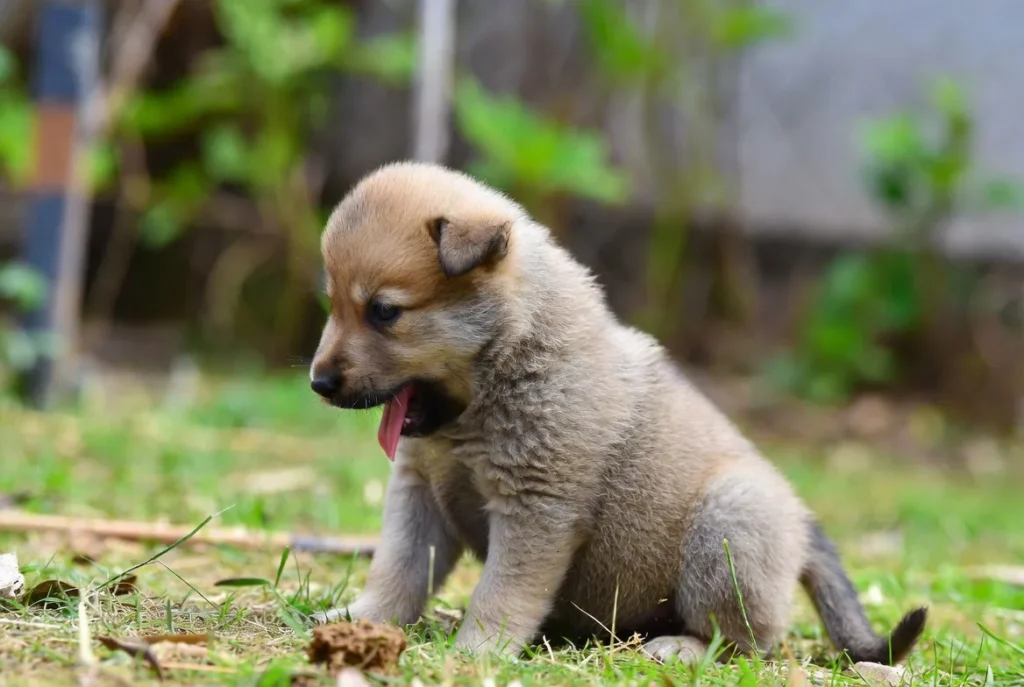
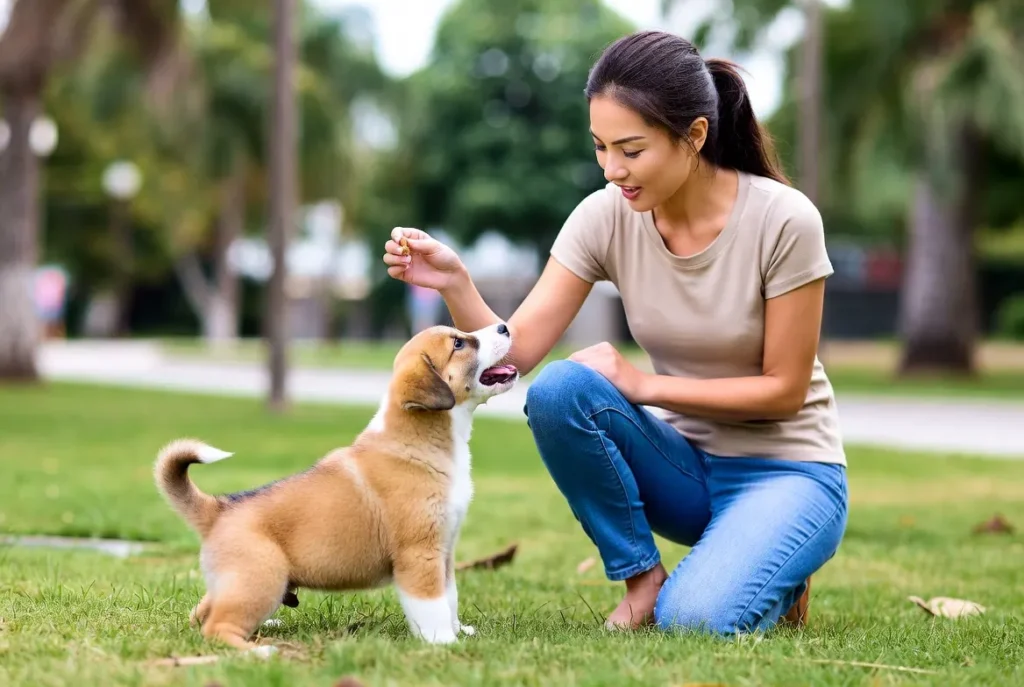
Puppies explore the world using their mouths, much like human babies. Smells, textures, new objects and yes, including poop are all part of their learning process.
This is especially common in:
- Puppies under 6 months
- Newly adopted puppies
- Puppies exposed to new environments
In these cases, the behavior is usually temporary and responds well to simple prevention strategies.
- Instinctual Behavior From Their Wild Ancestors
In the wild, mother dogs often clean the den by consuming waste to:
- Prevent predators from detecting the litter
- Keep the living area clean
- Protect vulnerable puppies from parasites
Some puppies retain this instinct, even in a clean household. This explains why many puppies eat poop without any medical or nutritional issue.
- Hunger or Rapid Growth Needs
Puppies grow fast, and if their diet doesn’t meet their nutritional needs, they may seek out undigested nutrients found in stool.
This can happen if:
- The puppy food is low quality
- Meals are skipped or inconsistent
- The puppy is growing very quickly
In these cases, improving diet quality is a key part of how to stop puppy from eating poop home remedies.
- Boredom or Lack of Mental Stimulation
When a puppy is bored, it will try to make its own fun – and if there’s poop in the yard, it’s an easy source of “entertainment.”
Possible signs boredom is the trigger:
- Excessive chewing
- Digging
- Barking
- Eating poop when left alone
Providing mental enrichment is one of the most effective and overlooked at‑home strategies for curbing poop-eating.
- Stress, Anxiety, or Environmental Changes
Stressed or anxious puppies may start unusual habits, including eating poop.
Typical stress triggers:
- Moving to a new home
- Changes in daily schedule
- Noisy or chaotic environments
- Being separated from littermates
Lowering your puppy’s anxiety often stops the behavior without needing much else.
- Learned Behavior From Other Dogs
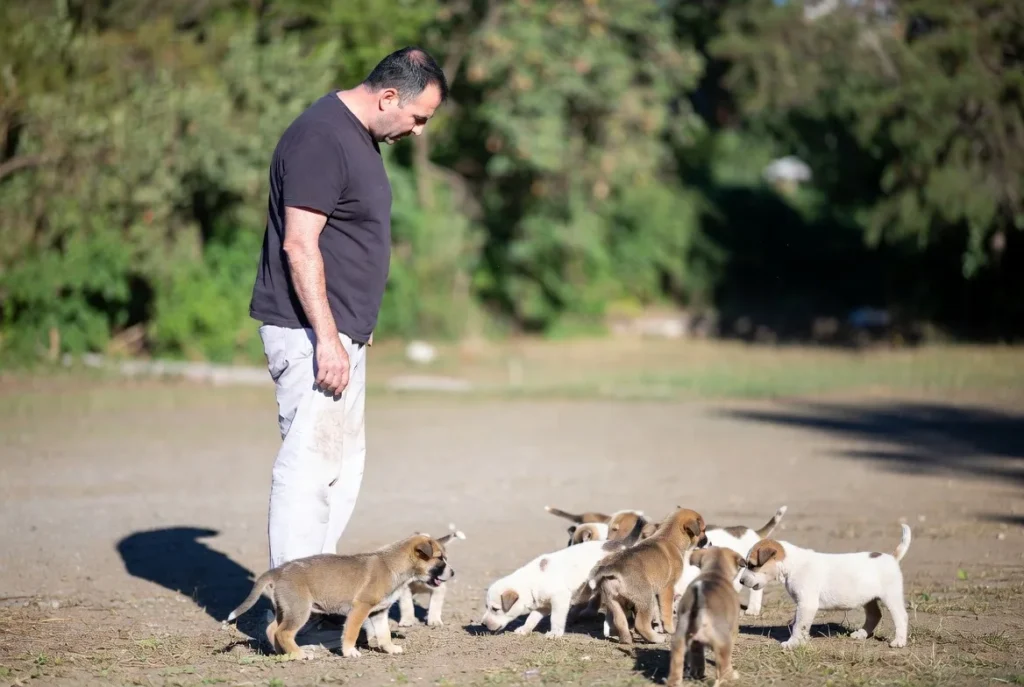
Puppies learn by watching. If they see another dog eating poop, they may copy it – especially in:
- Homes with multiple dogs
- Shelters
- Breeder facilities
In these cases, poop-eating is a learned habit rather than an instinct, and it’s usually fixable with close supervision and consistent training.
- Fear of Punishment or Negative Reinforcement
Puppies that are yelled at or punished for accidents may start eating their poop to “hide” what they did.
This is more likely when:
- Accidents are punished after they happen
- Training uses fear instead of rewards
- Puppies haven’t fully learned house-training yet
Positive reinforcement is essential when using home remedies to stop a puppy from eating poop.
Why Understanding the Reasons Matters
Puppies don’t all eat poop for the same reason, so they don’t all need the same fix. A bored puppy needs more to do. A stressed puppy needs comfort. A puppy missing key nutrients needs a better diet.
The reason behind the behavior determines which natural home remedy will work best, so figuring out why your puppy eats poop is the crucial first step to stopping it.
Is It Dangerous for Puppies to Eat Poop?
Yes, especially if it happens often. A puppy that eats poop once or twice might not get sick immediately, but frequent coprophagia can lead to serious health issues, particularly in young puppies whose immune systems are still developing.
Understanding these risks shows that preventing poop-eating with simple home techniques isn’t just about cleanliness, it’s an important way to protect your puppy’s health.
Why Is Eating Poop a Problem?
Feces from dogs, cats, or wild animals can contain harmful organisms and substances.
1. Parasites
Animal feces commonly contain intestinal parasites such as:
- Roundworms
- Hookworms
- Giardia
If a puppy eats contaminated stool, they can become infected, which may cause digestive upset, poor growth, and a weakened immune system. Very young puppies are especially vulnerable because their defenses against parasites are not yet strong.
- Harmful Bacteria
Feces commonly contain bacteria that can upset a puppy’s digestive tract, leading to:
- Diarrhea or loose stools
- Vomiting
- Belly pain
- Dehydration
Frequent exposure raises the likelihood of persistent gut disturbances.
- Toxic Substances
Stool can also hold small amounts of:
- Household cleaning agents
- Pesticides
- Rat or mouse poisons
- Other environmental toxins
Droppings from wild animals are especially dangerous because they may contain harmful substances the owner is unaware of.
- Medication Residues From Other Animals
Animals that receive certain treatments can excrete medication in their stool. When a puppy eats that feces, it may ingest:
- Dewormers and other antiparasitic drugs
- Hormone-based medications
- Traces of antibiotics
Even low doses can impact a puppy’s delicate system.
Long-Term Health and Behavioral Risks
In addition to short-term sickness, continued poop-eating can:
- Raise the chance of recurrent infections
- Disturb normal gut function
- Strengthen a hard-to-stop habit
- Make house-training more challenging
The longer this continues, the more firmly the behavior becomes established.
Why Early Prevention Matters
Addressing coprophagia early:
- Safeguards your puppy’s digestive system
- Helps build a resilient immune system
- Lowers the risk of parasite transmission
- Promotes healthy behavior patterns
For these reasons, it’s better to use safe home strategies to stop a puppy from eating poop as soon as possible, rather than hoping the behavior will disappear on its own.
How to Stop a Puppy from Eating Poop Home Remedies That Work
If you’re searching for how to stop a puppy from eating poop using home remedies, the key is combining prevention, nutrition, training, and consistency. There’s no single overnight cure, but the following methods are proven to work when used together.
- Remove Poop Immediately (Most Effective Home Strategy)
The quickest and most dependable home solution is also the easiest: eliminate the temptation.
- Pick up poop right after your puppy goes
- Scoop and clean the yard, balcony, or potty spot at least once a day
- Block access to litter boxes, bird droppings, and any wildlife feces
For many puppies, this alone stops poop-eating within a few weeks, especially when it’s caused by curiosity or routine rather than anxiety or nutritional issues.
- Add Pineapple or Pumpkin to Meals (Gentle Natural Deterrent)
Certain natural foods can make stool less tasty to puppies while staying safe for their stomach.
Best Natural Add-Ins:
- Fresh pineapple (finely chopped, in small amounts)
- Plain canned pumpkin (100% pumpkin, no added sugar or spices)
Why This Helps:
- Alters the taste and odor of the stool
- Supports better digestion
- Adds fiber, so fewer undigested nutrients end up in the poop
Offer once a day for 1–2 weeks, then evaluate. Many owners notice changes within a few days.
This is a popular home method to stop puppies from eating poop because it’s easy and budget-friendly.
- Upgrade Diet Quality (Commonly Missed but Very Important)
Poor-quality or hard-to-digest food can leave extra nutrients in the stool that smell appealing to puppies.
Low-quality diets can lead to:
- Undigested fats and proteins
- Strong, smelly poop
- Increased interest in feces
Switch to:
- A high-quality, trusted puppy food
- Proper protein and calorie levels for your puppy’s age
- Limited fillers and artificial ingredients
Don’t change foods abruptly. Transition slowly over about 7 days to avoid stomach upset.
Improving diet is a key part of home remedies to stop a puppy from eating poop, especially for rapidly growing pups.
- Boost Exercise and Mental Enrichment
Bored puppies often develop problem behaviors, poop-eating is a frequent one.
At home, use:
- Short daily training sessions (5–10 minutes)
- Food puzzles or slow-feeder bowls
- Sniff walks that allow controlled exploration
- Interactive play like tug or fetch
More mental and physical activity lowers anxiety and channels curiosity, making poop-eating much less likely.
- Train a Reliable “Leave It” Cue
Training is one of the strongest long-term solutions.
How to Teach:
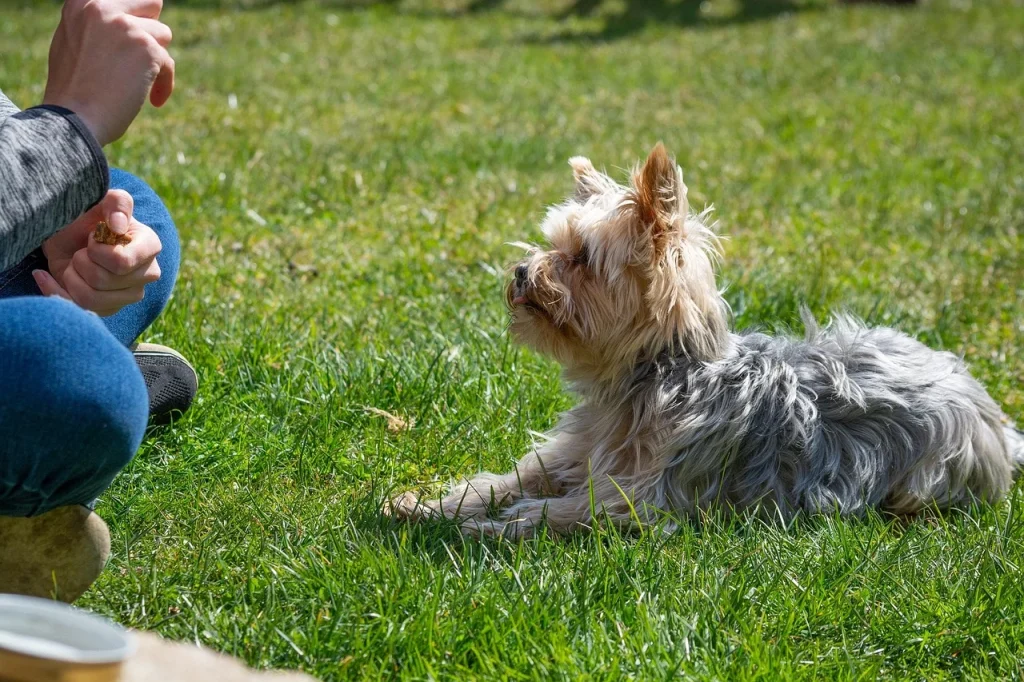
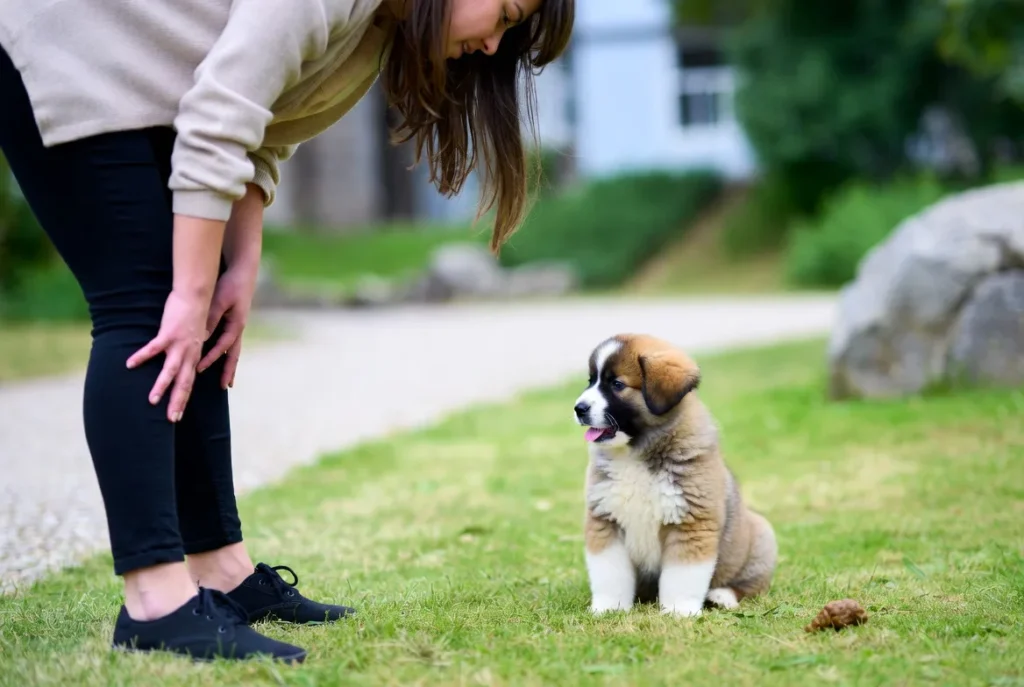
- Start indoors with treats to practice “leave it”
- Reward instantly when your puppy backs away
- Slowly move to outdoor practice with mild distractions
- Use the cue consistently during potty trips
This prevents poop-eating before it happens, instead of reacting afterward.
- Try Natural, Vet-Approved Taste Deterrents
Some dog-safe products change how poop smells and tastes after digestion, so puppies find it unappealing.
These can include:
- Digestive enzyme supplements
- Natural bitter additives formulated for dogs
They work by supporting digestion, not by punishing your puppy, making them a safer part of at-home strategies to stop poop-eating.
Never use hot sauce, chili powder, vinegar, or harsh household products. These can cause pain, GI damage, and more anxiety.
- Lower Stress and Fear-Related Triggers
Puppies who are yelled at or punished for accidents may eat poop to “cover up” what they did.
Instead:
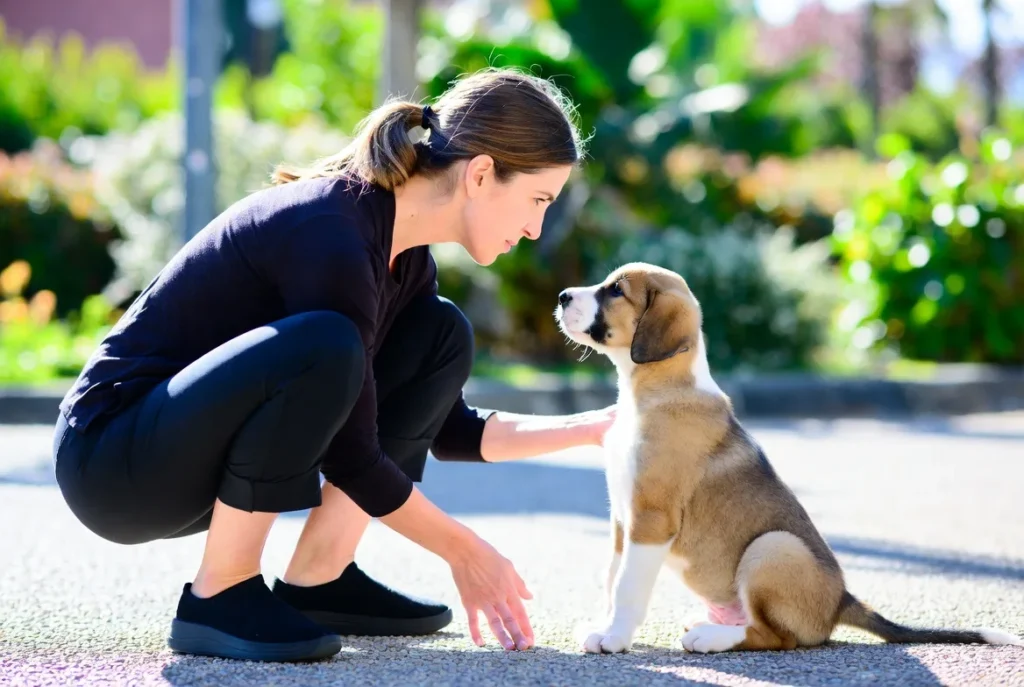
- Stay calm during house-training
- Reward your puppy for going in the right place
- Never punish after the accident has already happened
- Emphasize routine, patience, and reassurance
A calm, confident puppy learns faster and is more likely to drop unwanted habits on their own.
Home Remedies That Do Not Work (And Can Make It Worse)
Some methods are not only ineffective but may actually reinforce poop-eating behavior.
- Rubbing the puppy’s nose in poop
- Yelling, scolding, or harsh punishment
- Adding spicy or bitter human foods
- Restricting food intake
- Using human bitter sprays or chemicals
These approaches increase fear and stress, which can make poop-eating more frequent and more difficult to stop.