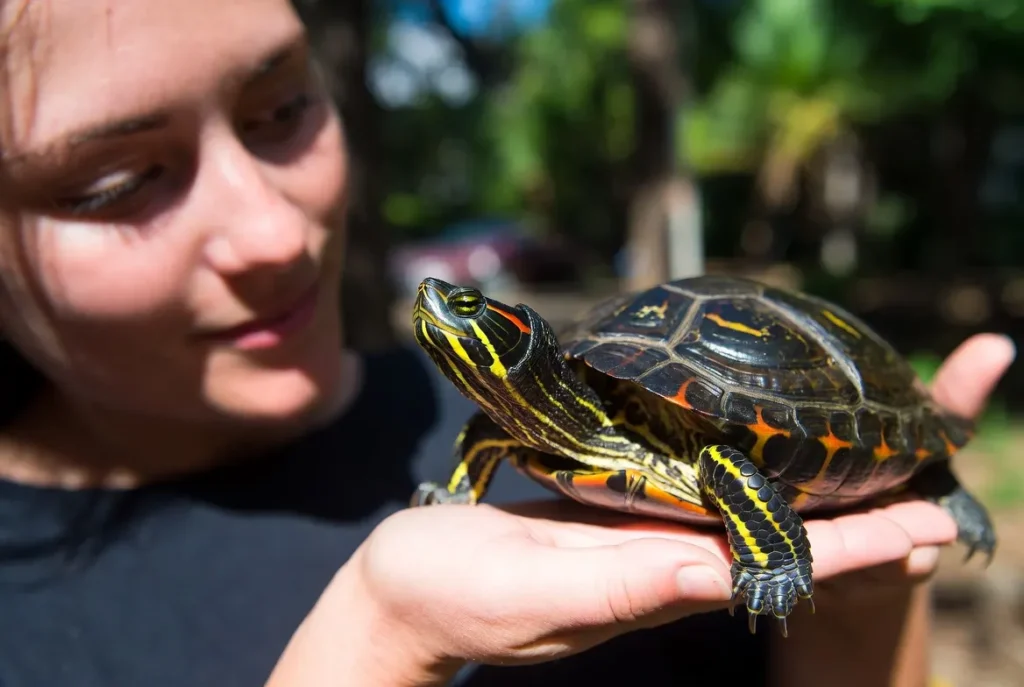
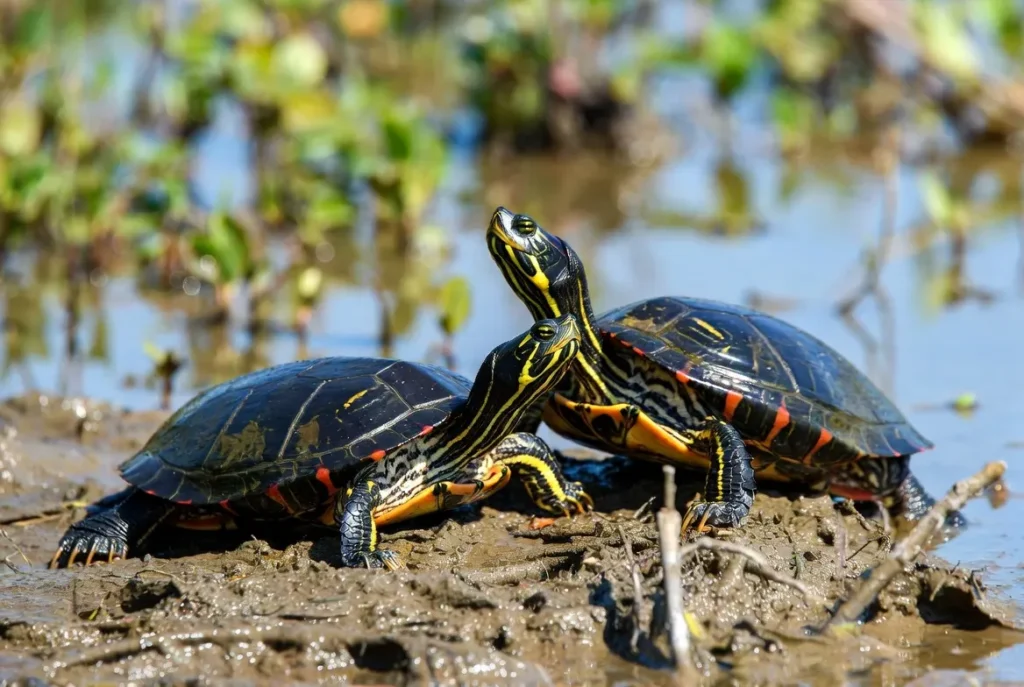
Eastern Painted turtles (Chrysemys picta picta) can be fascinating and rewarding pets, but they require serious long-term commitment. These semi-aquatic turtles typically live 25–30 years, with some individuals reaching 50 years or more in captivity. As reptile veterinarian Dr. Duncan Houston explains, “Painted turtles make enriching pets—but they require commitment.” In the wild, Eastern Painted Turtles are native to eastern North America, where they inhabit slow-moving freshwater environments.
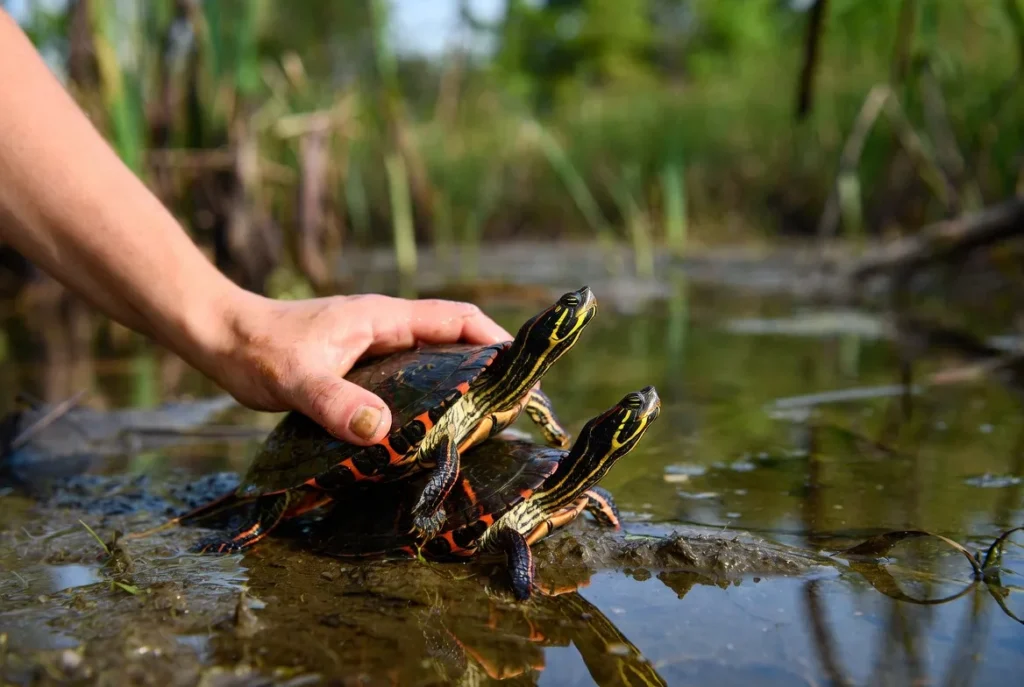
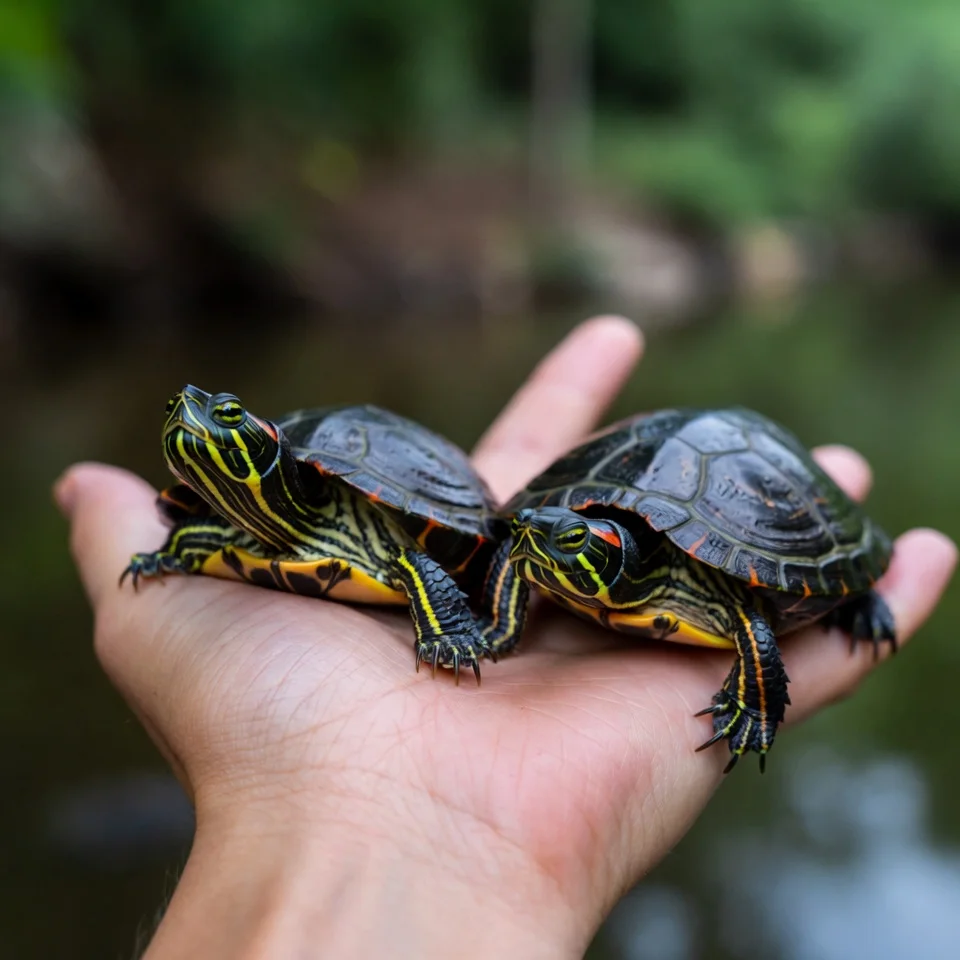
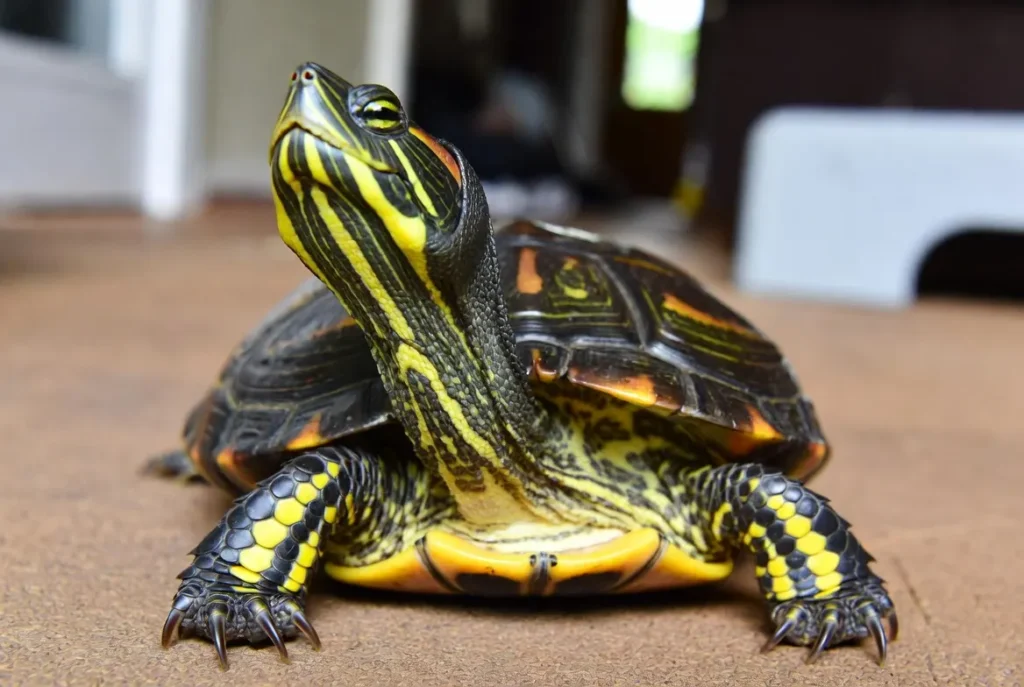
You can recognize an Eastern Painted Turtle by its smooth, dark shell edged with red markings and its bright yellow plastron (belly). To thrive in captivity, this turtle needs both clean water for swimming and a dry basking area for thermoregulation.
Owning Eastern Painted Turtles Legality
USA
Regulations vary by state. New Jersey law even exempts Eastern Painted Turtles from exotic-pet permits – they can be kept without a special license. In contrast, some states strictly protect native turtles. For example, New York forbids possession of any native turtle as a pet. (In NY a forum user quoted a biologist saying, “you cannot legally own anything native in the state of NY”.) Always check local wildlife regulations: some states allow captive-bred Eastern Painteds only, while others prohibit native turtles entirely.
UK/EU
In the UK and EU, Eastern Painted Turtles are treated as non-native pets. They are not on the EU’s invasive-species ban list, so keeping one is generally legal. A UK pet advice site notes that painted turtles are considered an “environmentally responsible” pet choice since they aren’t listed as an invasive species. (By contrast, turtles like the red-eared slider are banned under EU law.) In Britain you may need a standard exotic-pet license to keep “wild” animals, but Eastern Painted Turtles are permitted under those rules as long as they are acquired legally and not released into the wild.
Housing and Habitat
To thrive, Eastern Painteds need a large aquatic tank with clean, filtered water. Aim high: experts recommend at least 100 gallons of water for one adult turtle. Even a single hatchling needs about 10 gallons of water (so use a 15–20 gallon tank). Use a strong filter (rated 2–3× the tank volume) and change about 25–30% of the water weekly to keep it clean.
Maintain water temperature around 75–80°F (24–27°C) and provide a dry basking platform heated to 85–90°F with a UVB light. Painted turtles need 10–14 hours of UVB light daily (indoors, replace bulbs every 6 months). Include a ramp or dock so your turtle can climb out and completely dry off. In short, design a semi-aquatic enclosure: deep enough for swimming, with a secure dry area for basking.
Diet and Nutrition
Painted turtles are omnivores. You should offer a varied diet of animal protein and plants. Good staples include:
- Commercial aquatic turtle pellets (high-quality formula).
- Protein sources: small feeder fish, shrimp, insects or earthworms (avoid high-fat goldfish).
- Vegetables: dark leafy greens (romaine, collards, etc.) and aquatic plants.
- Occasional fruits as treats.
Feed hatchlings daily; adults only once every 2–3 days to avoid obesity. Always remove uneaten food promptly to keep water clean. Provide calcium (e.g. cuttlebone) and vitamin supplements if needed. Remember that UVB lighting in the tank helps turtles metabolize calcium, so UVB is essential
Behavior and Handling
Painted turtles are generally docile but shy; they don’t enjoy being handled. Limit handling to necessary tasks (tank cleaning or health checks) because frequent handling stresses them out. As reptile expert Paul Vander Schouw warns, painted turtles “should not be handled except as a matter of necessity”.
A good way to bond is via feeding:
- offer food with long tongs or tweezers so your turtle learns to trust you.
- Avoid frequent handling; painted turtles quickly get stressed.
- Use feeding (tongs) to build trust instead of petting.
- Always wash hands after touching your turtle or its habitat (turtles can carry Salmonella).
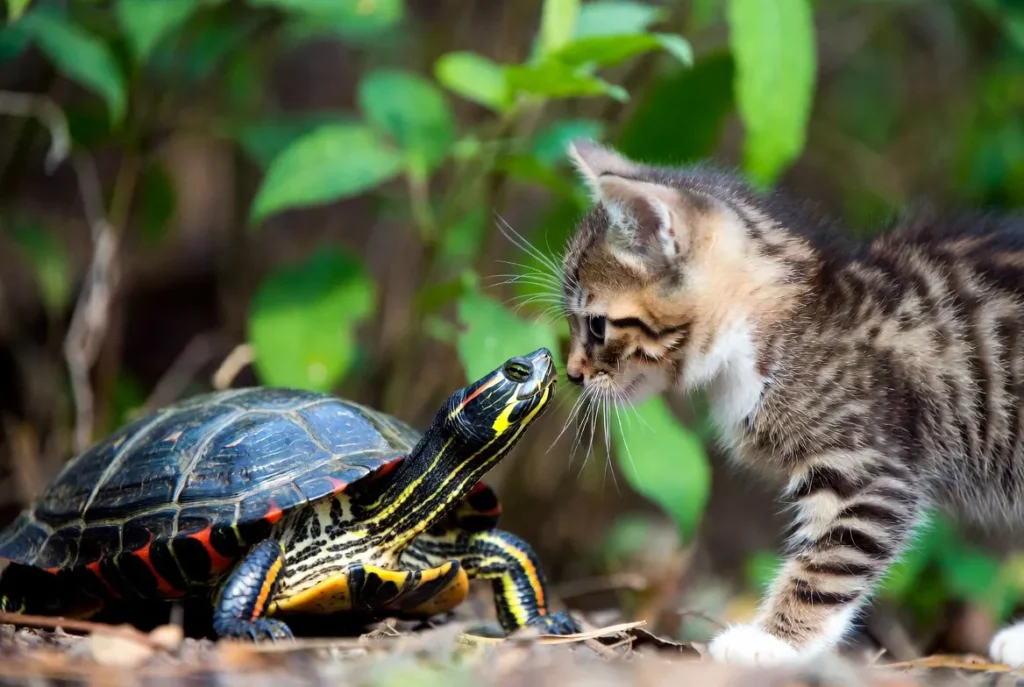
Give them hiding spots or plants in the tank so they feel secure. If kept with other turtles, make sure the tank is large enough to prevent bullying. With enough space and hiding places, painted turtles usually cohabit peacefully.
Price of Eastern Painted Turtles
USA: Juveniles typically sell for about $30–60. For example, one U.S. retailer lists Eastern Painted Turtle juveniles at $49.95–59.95. Hatchling prices can be lower – some sellers list babies starting around $29.99 or $34.99. Larger adults may cost more (one site shows older painted turtles up to $120–200).
UK: Eastern Painted Turtles are also stocked by specialist UK dealers. For instance, The Turtle Emporium (UK) explicitly lists Eastern Painted Turtles among its available species-à&è(“-“”à-è”
. (Specific UK prices are not always shown online, but they generally correspond to the USD prices above once converted to pounds.)
Health and Lifespan
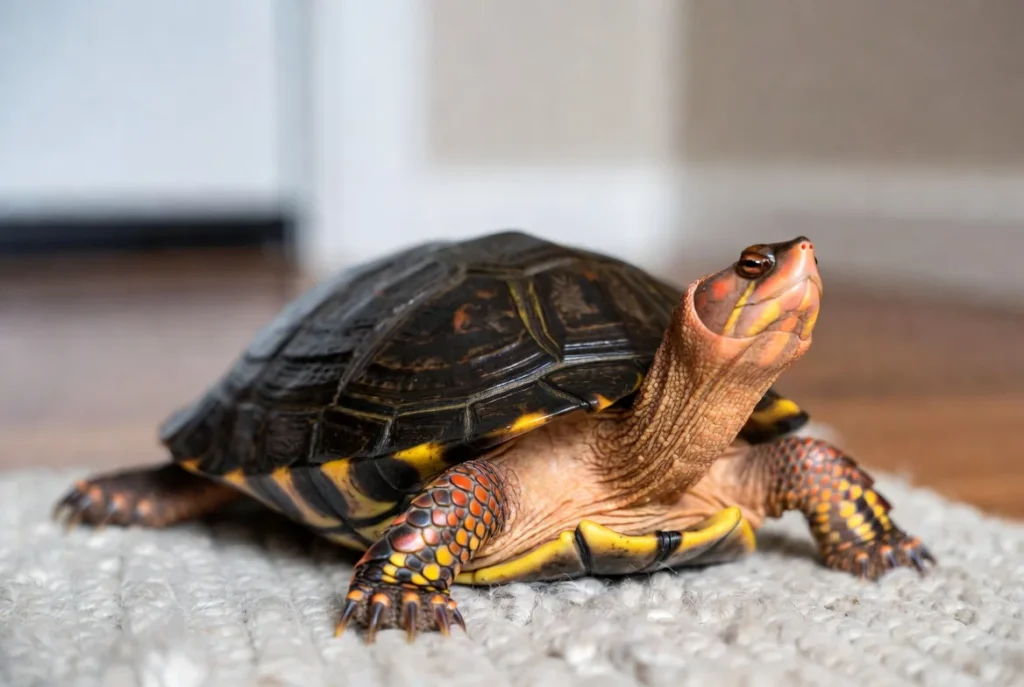
These turtles are hardy when kept in a clean, well-maintained habitat. Still, watch out for health problems. Keep the tank water clean and filtered – dirty water and poor diet cause most illnesses. Look for warning signs: weight loss or gain, swollen eyes, shell discoloration, labored breathing, or lethargy. For example, a bubbly nose or open mouth may indicate a respiratory infection. Ensure they get enough UVB and calcium to prevent metabolic bone disease.
Provide routine care: weigh or handle your turtle monthly to check weight, and have an experienced reptile vet examine it yearly. Annual vet checks should include a shell inspection, weight check, and parasite test. Treat any shell scratches or rot immediately (keep the turtle dry and clean first, then use vet-approved ointments). With proper habitat, diet, and vet care, your Eastern Painted can live 25–30 years or more.
Ownership Trends and Conservation
Reptiles are a growing pet trend. In the U.S., about 6.0 million households (roughly 2%) own at least one reptile. In the UK, roughly 900,000 homes (1.8%) keep a turtle or tortoise. Eastern Painted turtles are commonly sold in pet stores (usually captive-bred). When choosing a pet turtle, prefer captive-bred animals – this practice protects wild populations.
Wild Eastern Painted turtles are classified as Least Concern by the IUCN, but some local populations decline from road accidents and habitat loss. Never release a pet turtle into the wild. By buying captive-bred pets and supporting habitat conservation, owners can help wild painted turtles thrive.
Owner Experiences
Paul McDonald (Chicago) – Paul told Fox Weather that he rescued a tiny Eastern Painted Turtle (named “Colors”) as a boy. He cared for her for 24 years, and even made her a flower girl at his 2022 wedding. (“He asked the Eastern painted turtle to be a flower girl at his wedding,” according to the news report.) Paul says Colors was part of the family through college, moves and marriage – illustrating the long-lived bond these turtles can form.
User “pgigac” (TurtleForum) – This hobbyist noted that Eastern Painteds “have amazing personalities” but warned about social behavior. In a forum discussion she wrote: “Eastern painteds have amazing personalities but males can be total jerks and often don’t do well with other turtles (especially male) once they reach maturity.”. In other words, owners report that males may become aggressive as adults, so many keepers keep only one turtle or mix genders carefully.