
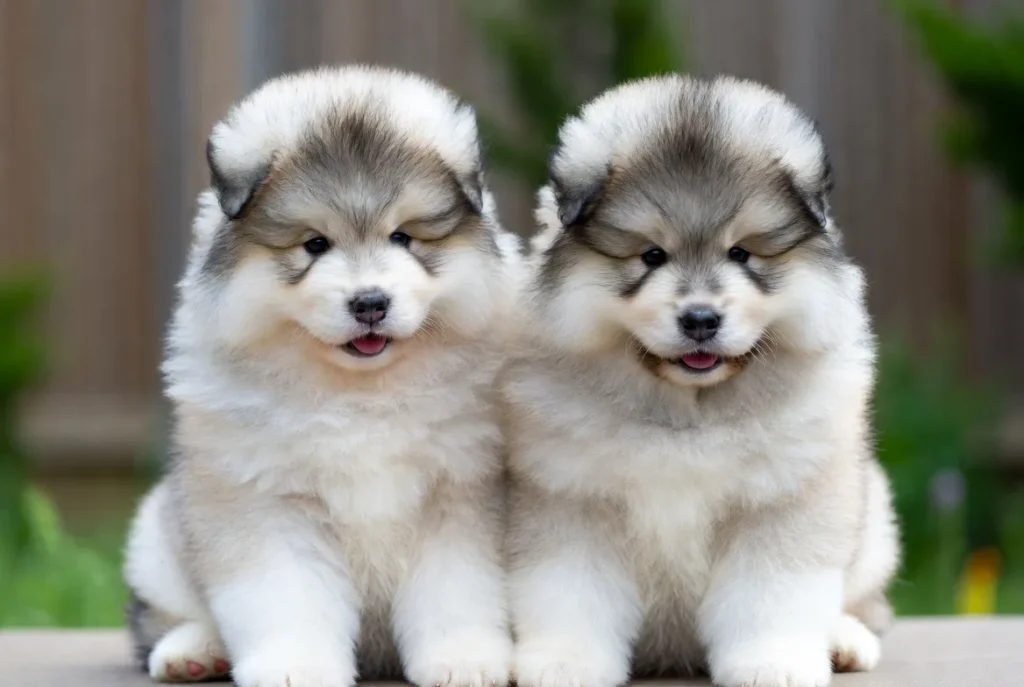
Are Samoyed puppies hypoallergenic? The short answer is no. Samoyed puppies are not considered hypoallergenic. While they are adorable, fluffy, and friendly, their thick double coat sheds heavily and produces dander—the main trigger for dog allergies. Anyone with sensitivities to pet allergens is likely to experience reactions around Samoyeds, from sneezing and itchy eyes to more severe respiratory issues.

Many people wonder if Samoyed puppies are hypoallergenic, especially since allergies to pets are common and can significantly affect daily life. While some dog breeds are marketed as “hypoallergenic” because they shed less or produce less dander, it’s important to understand that no dog is completely allergy-free. Even so-called hypoallergenic breeds still produce allergens, and reactions can vary depending on the individual.
This article will separate myth from fact about Samoyed puppies hypoallergenic claims. We’ll explain why these puppies are not hypoallergenic, how their shedding and dander can trigger allergic reactions, and provide practical tips for allergy-sensitive owners who are considering bringing one of these fluffy companions into their home. By the end, you’ll have a clear understanding of what to expect and how to manage allergies if you fall in love with this charming breed.
Understanding Hypoallergenic Dogs
Before discussing Samoyeds specifically, it’s important to understand what “hypoallergenic” means. A hypoallergenic dog is generally one that produces fewer allergens than other breeds, such as less dander, saliva, or urine proteins that commonly trigger allergic reactions. However, it’s crucial to note that no dog is completely allergy-free—even so-called hypoallergenic breeds can still cause symptoms in sensitive individuals.
The main allergens that cause reactions in people are:
- Dander: Tiny flakes of skin that shed from a dog’s coat, which can float in the air and accumulate on furniture.
- Saliva: Proteins in a dog’s saliva can stick to fur and surfaces, triggering allergies when licked or groomed.
- Urine: Some allergens are present in urine, which can become airborne when dried.
Breeds often labeled as hypoallergenic, such as Poodles, Bichon Frises, or Portuguese Water Dogs, are typically advertised this way because they shed less hair and produce lower amounts of dander. People looking for allergy-friendly dogs often consider these breeds because they may reduce, but not eliminate, allergic reactions.
When evaluating Samoyed puppies hypoallergenic claims, it’s important to keep this context in mind. While Samoyeds are adorable and fluffy, their thick double coat produces significant dander, making them unsuitable for households seeking a truly hypoallergenic dog. Understanding the basics of hypoallergenic dogs helps set realistic expectations for allergy-sensitive owners.
Are Samoyed Puppies Hypoallergenic or Not?
When it comes to Samoyed puppies hypoallergenic claims, it’s important to understand their coat type and shedding habits. Samoyeds have a thick double coat consisting of a dense undercoat and a longer topcoat. This luxurious fur keeps them warm in cold climates but also contributes to significant shedding throughout the year, especially during seasonal “blowouts” when the undercoat is replaced.
The shedding and dander produced by Samoyeds are the primary reasons they are not hypoallergenic. Dander, tiny flakes of skin that spreads easily throughout the home and can trigger allergic reactions in sensitive individuals. Even regular grooming and brushing, while helpful for managing loose fur, cannot completely eliminate allergens.
Experts note that proteins found in dog saliva, skin, and hair can provoke symptoms such as sneezing, itchy eyes, and respiratory discomfort. This reinforces that Samoyed puppies hypoallergenic claims are largely a myth: proper care can reduce allergens, but it cannot remove them entirely.
For allergy-sensitive owners, this means owning a Samoyed requires proactive planning. Even well-groomed Samoyeds produce allergens that accumulate on furniture, clothing, and carpets, so strategies to minimize exposure are essential. Understanding these realities helps potential owners make an informed decision about bringing a Samoyed puppy into their home.
Can You Make Samoyed Puppies Hypoallergenic?
Many potential owners wonder if there’s a way to make Samoyed puppies hypoallergenic after all, their fluffy coats and friendly personalities are irresistible. Unfortunately, the truth is that Samoyeds cannot be made truly hypoallergenic. Their thick double coat, natural shedding, and production of dander and saliva mean they will always release allergens into the environment.
That said, there are ways to reduce allergen exposure and make living with a Samoyed more manageable for allergy-sensitive individuals:
- Frequent grooming: Regular brushing and occasional bathing help remove loose hair and dander before it spreads around your home. Using de-shedding tools designed for double-coated breeds can significantly reduce the amount of allergens in the environment.
- Cleaning routines: Vacuum with a HEPA-filter vacuum, use air purifiers, and wash bedding and furniture covers frequently. This helps limit the accumulation of allergens in your living spaces.
- Designated dog-free zones: Keeping bedrooms or specific areas off-limits to your Samoyed creates safe spaces for allergy sufferers to rest without constant exposure.
- Personal hygiene: Washing hands after interacting with your puppy and avoiding touching your face or eyes can minimize allergic reactions.
- Consult your doctor if needed: Mild allergies can sometimes be managed with antihistamines or nasal sprays, but professional guidance ensures the best approach.
While these steps cannot make Samoyed puppies hypoallergenic, they can significantly reduce the intensity of allergic symptoms. For many owners with mild allergies, proactive care and cleaning routines make it possible to enjoy the breed’s affectionate, playful nature without overwhelming reactions.
Symptoms of Allergic Reactions to Samoyed Puppies
If you’re wondering if the Samoyed puppies hypoallergenic claims are true, it’s important to know how allergies might present in sensitive individuals. Even though these puppies are adorable and friendly, their thick double coat produces dander, saliva, and other proteins that can trigger allergic reactions.

Common symptoms of allergic reactions to Samoyeds include:
- Sneezing and runny nose: Frequent exposure to dander can irritate the nasal passages.
- Itchy, watery eyes: Proteins from saliva or dander can cause eye irritation.
- Skin rashes or hives: Some people may develop itchy patches or redness after contact with the dog.
- Coughing or wheezing: In more sensitive individuals, allergens can affect the respiratory system.
The severity of symptoms can vary depending on the person and the level of exposure. Even with regular grooming and cleaning, Samoyed puppies hypoallergenic claims do not guarantee a reaction-free environment.
For those with mild allergies, it is possible to manage symptoms through preventive measures, such as regular grooming, using HEPA air filters, and creating dog-free zones in the home. However, individuals with severe allergies should be cautious, as even minimal exposure to dander or saliva can trigger significant reactions.
By understanding these symptoms, potential owners can make informed decisions about bringing a Samoyed puppy into their home and take steps to minimize allergic reactions while enjoying their new companion.
Alternatives to Samoyeds for Allergy-Sensitive Owners
Now that you’ve learned that Samoyed puppies hypoallergenic claims are a myth and that you can’t make Samoyed puppies hypoallergenic, but you still dream of having a fluffy companion, there are several dog breeds better suited for allergy-sensitive households. These breeds tend to shed minimally and produce less dander, significantly reducing the risk of triggering allergic reactions.
Low-dander alternatives include:
- Poodle (Toy, Miniature, Standard): Poodles are often recommended for allergy sufferers because they shed very little and produce less dander. They are intelligent, trainable, and affectionate, though they require regular grooming to maintain their curly coats.
- Bichon Frise: Small, friendly, and playful, Bichons are considered hypoallergenic due to their low shedding. They are excellent for families but need consistent grooming to prevent matting.
- Portuguese Water Dog: These medium-sized dogs have a curly, water-resistant coat that produces minimal dander. They are energetic and highly trainable, making them a good choice for active owners.
- Maltese: A tiny companion dog with a silky coat that sheds very little. Maltese dogs are affectionate, alert, and low-maintenance compared to a large, high-shedding breed like a Samoyed.
Ultimately, while Samoyed puppies hypoallergenic claims are misleading, allergy-sensitive owners still have options if they want a dog. Choosing a low-dander breed may allow you to enjoy the companionship of a dog without constant allergic reactions, while also fitting your lifestyle and household needs.
What People Say About Samoyed Puppies Hypoallergenic Claims
If you’ve been researching Samoyed puppies hypoallergenic claims, you’ve probably noticed a lot of mixed opinions online. Discussions on Reddit, Quora, and other pet forums reveal that experiences vary widely depending on the person’s sensitivity and the dog’s living environment.

Some owners report that they can live with a Samoyed without noticeable allergic reactions. One Reddit user said they have mild dog allergies but have been living with their Samoyed for years with no problems. Others note that certain family members who react to most breeds tolerate Samoyeds surprisingly well. These experiences sometimes lead people to believe that Samoyeds might be hypoallergenic — but this is usually relative to the individual’s immune system.
On the other hand, many allergy-sensitive owners caution that Samoyeds still trigger reactions. Users describe sneezing, itchy eyes, hives, or respiratory discomfort, especially during grooming or seasonal shedding when the undercoat is replaced. Several also point out that tolerance to a puppy does not guarantee the same for an adult dog, as allergen exposure can increase over time.
Across forums, one message is clear: no dog is completely hypoallergenic, and Samoyeds are no exception. Even with regular grooming, frequent cleaning, and preventive measures, dander, saliva, and shedding can cause symptoms in sensitive individuals. People on Reddit and Quora often recommend spending time around adult Samoyeds before bringing a puppy home, to gauge personal reactions in real-life conditions.
In summary, while some owners seem to tolerate their Samoyeds well, Samoyed puppies hypoallergenic claims are largely a myth. If you have allergies but still want a Samoyed, proactive steps like grooming, home cleaning, and creating dog-free zones are essential to minimize allergic reactions and enjoy life with these lovable, fluffy dogs.