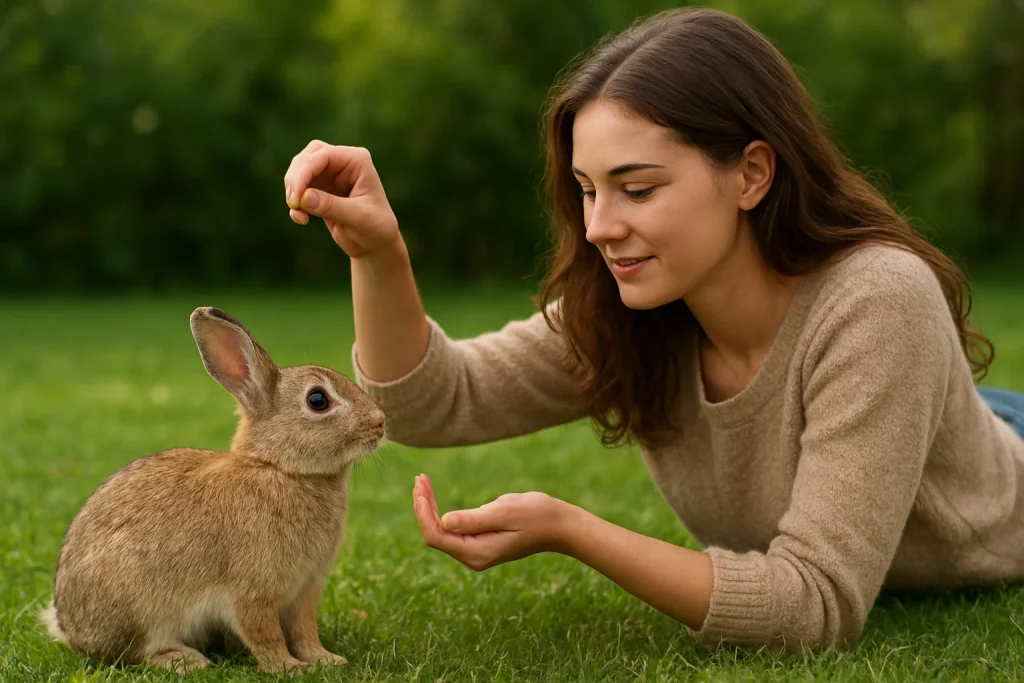
Want to know how to train a pet rabbit to use a litter box quickly? Place the box in their favourite potty spot, add hay, and reward every success to speed up litter training. For more tips and ideas, tune in to the full guide.
Are Rabbits Easily Trained?
Many people wonder whether rabbits can actually be trained. The good news is yes, rabbits are intelligent, social animals that can learn routines and behaviors, including litter box use.
Rabbits have natural instincts to stay clean and avoid soiling their living area. This makes them more receptive to litter training than you might expect. With patience, positive reinforcement, and consistency, most rabbits can learn to use a litter box reliably.
Before asking how to train a pet rabbit to use a litter box, you should know that training success depends on the individual rabbit’s personality, age, and breed. While some rabbits pick it up within days, others may take a few weeks of consistent guidance.
What Makes a Rabbit Easy to Train?
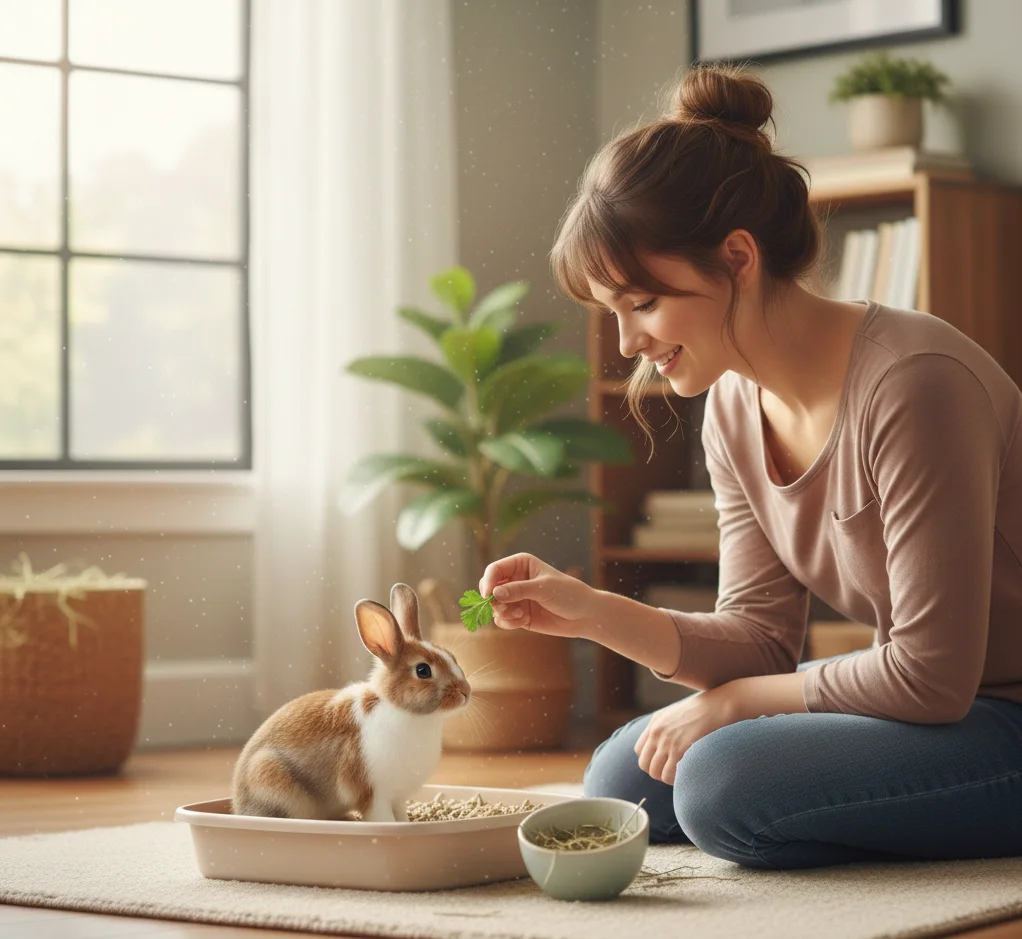
Some rabbits are easier to train than others due to certain personality traits and breed characteristics. Understanding these can help you set realistic expectations and speed up the training process.
Traits that make rabbits easy to train:
- Curious and alert: Rabbits that explore their environment are more likely to interact with a litter box.
- Social and interactive: Rabbits that enjoy human interaction respond better to positive reinforcement.
- Calm and confident: Less fearful rabbits are more willing to try new behaviors and spaces
- Food-motivated: Rabbits that enjoy treats can be rewarded consistently, which reinforces litter box habits.
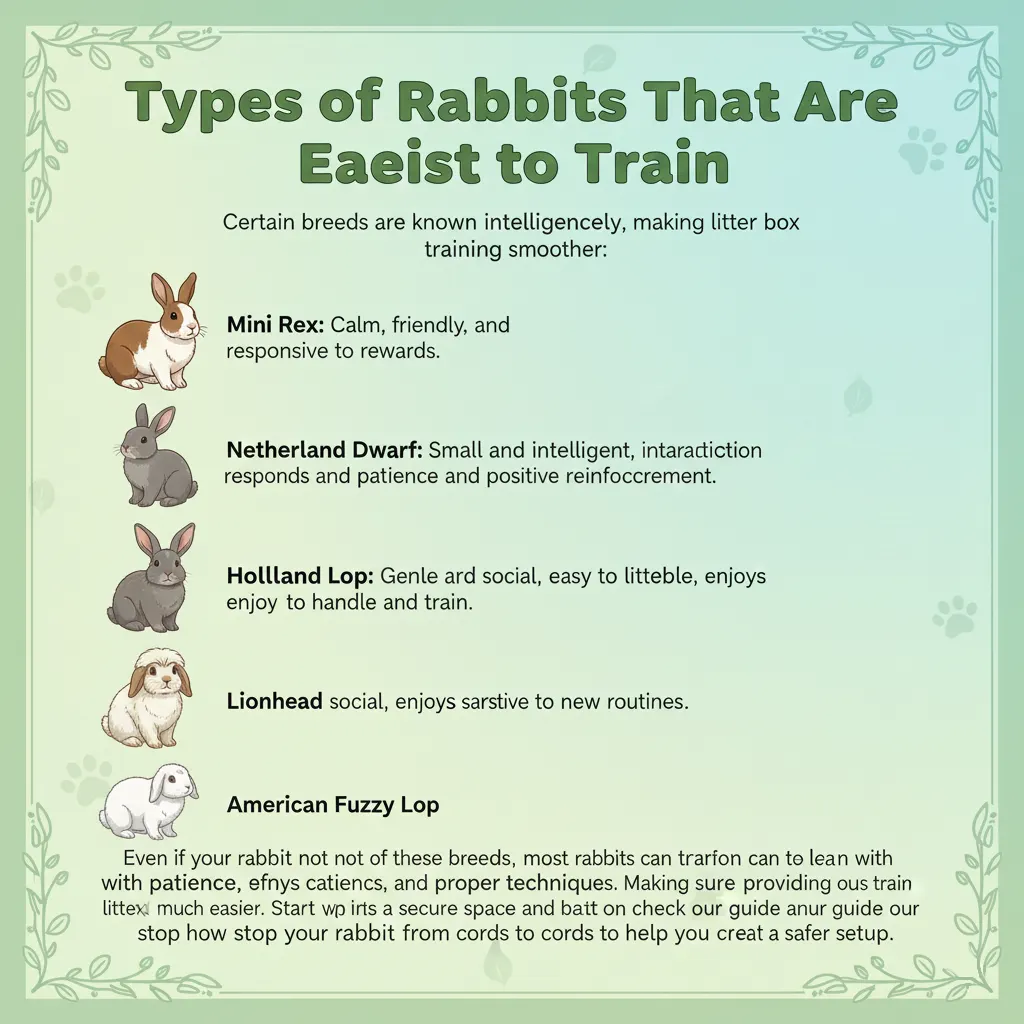
Types of Rabbits That Are Easiest to Train
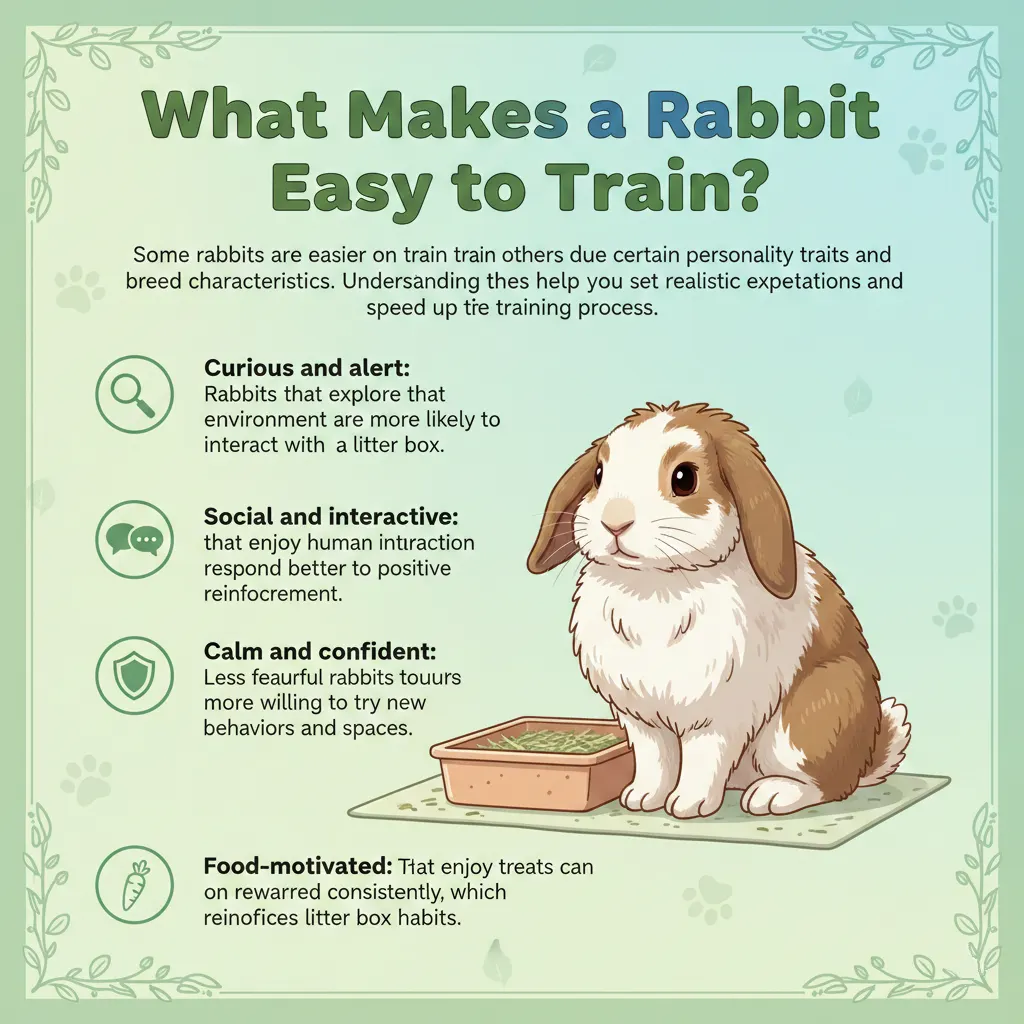
Certain breeds are known for their intelligence and trainability, making litter box training smoother:
- Mini Rex: Calm, friendly, and responsive to rewards.
- Netherland Dwarf: Small and intelligent, responds well to patience and positive reinforcement.
- Holland Lop: Gentle and social, easy to handle and train.
- Lionhead: Curious and clever, enjoys interactive training.
- American Fuzzy Lop: Playful, social, and receptive to new routines.
Even if your rabbit is not one of these breeds, most rabbits can learn to use a litter box with patience, consistency, and proper techniques.
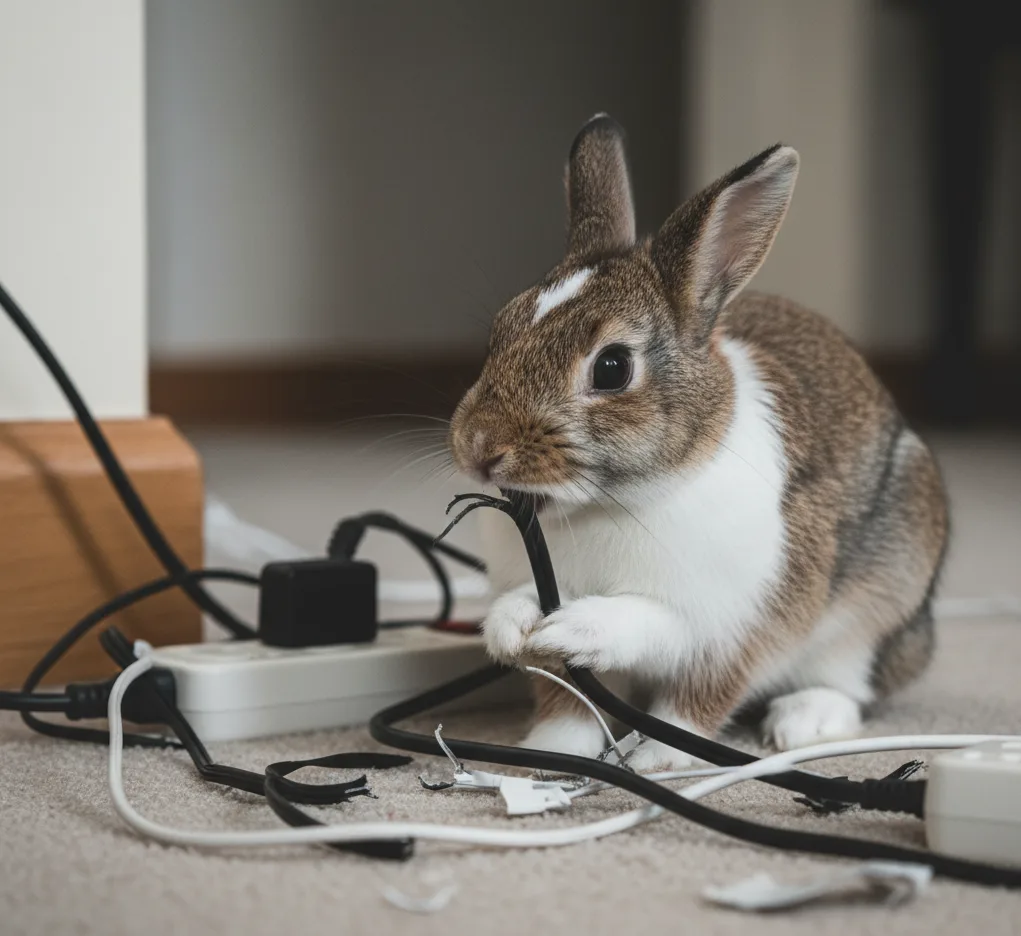
Making sure your rabbit is in a safe environment will make learning how to train your pet rabbit to use the litter box much easier. Start by providing a secure space and check out our guide on how to stop your rabbit from chewing on cords to help you create a safer setup.
How to Train a Pet Rabbit to Use a Litter Box
Now that you understand rabbit behavior and breed tendencies, it’s time to learn how to train a pet rabbit to use a litter box. Follow these steps carefully:
Choose the Right Litter Box
Start with a shallow, low-sided box so your rabbit can hop in and out easily. Avoid covered boxes at first, they can trap odors and discourage use.
Tips:
- Standard cat litter boxes or shallow storage bins work well.
- Corner-shaped boxes maximize space for rabbits in smaller pens or cages.
Select Safe and Comfortable Litter
Safety is essential. Rabbits may nibble on litter, so never use clumping cat litter, clay, or scented options. Safe alternatives include:
- Paper-based litter
- Unscented wood pellets
- Aspen shavings
Add soft bedding inside the box to make it more inviting.
Place the Litter Box Strategically
Rabbits have favorite potty spots. Place the litter box in these areas for faster success. If your rabbit has multiple spots, start with several boxes and gradually reduce them to one or two main locations.
Pro Tip: Observe your rabbit’s behavior patterns. Most rabbits urinate after waking or eating.
Make It Comfortable with Hay
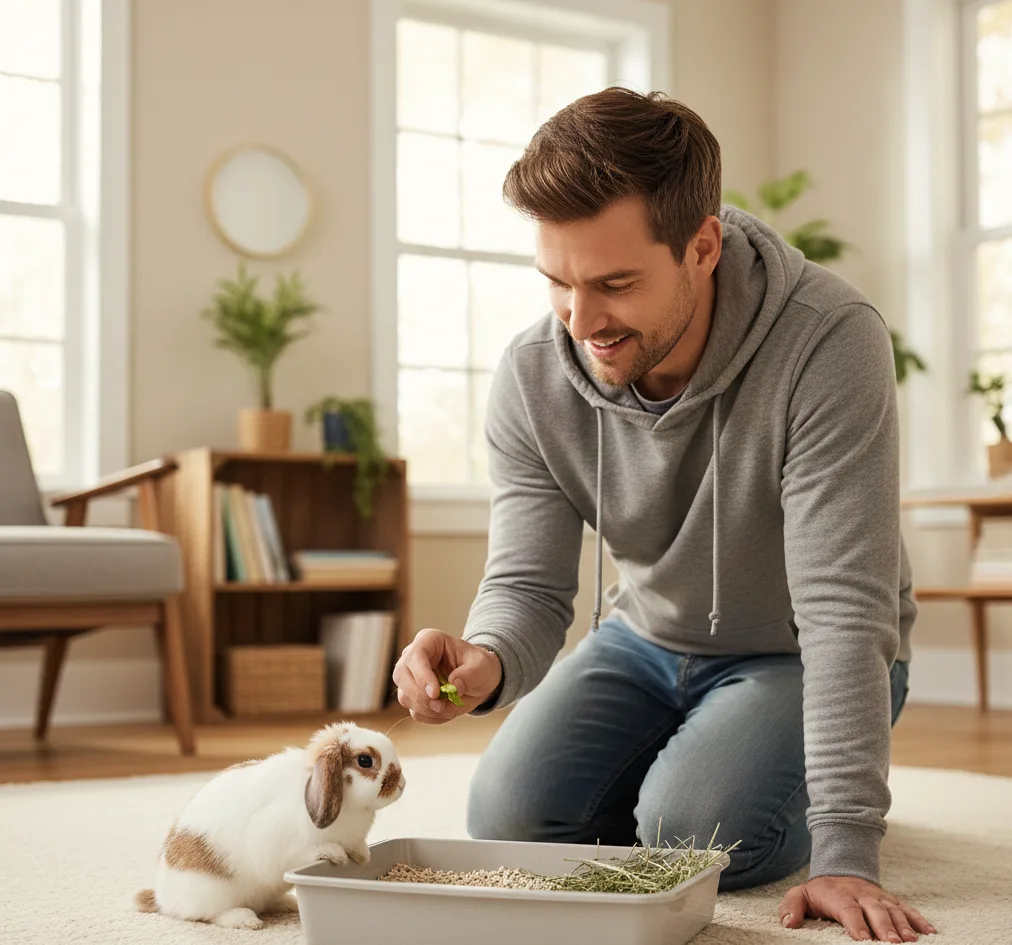
Rabbits enjoy munching while they go potty. Place some hay in a corner of the litter box. This encourages your rabbit to stay in the box while relieving themselves, reinforcing the natural behavior.
Extra Tip: You can sprinkle a few droppings from your rabbit’s previous potty spots into the box to attract them.
Reward Positive Behavior
Every time your rabbit uses the litter box, reward them with:
- Gentle praise
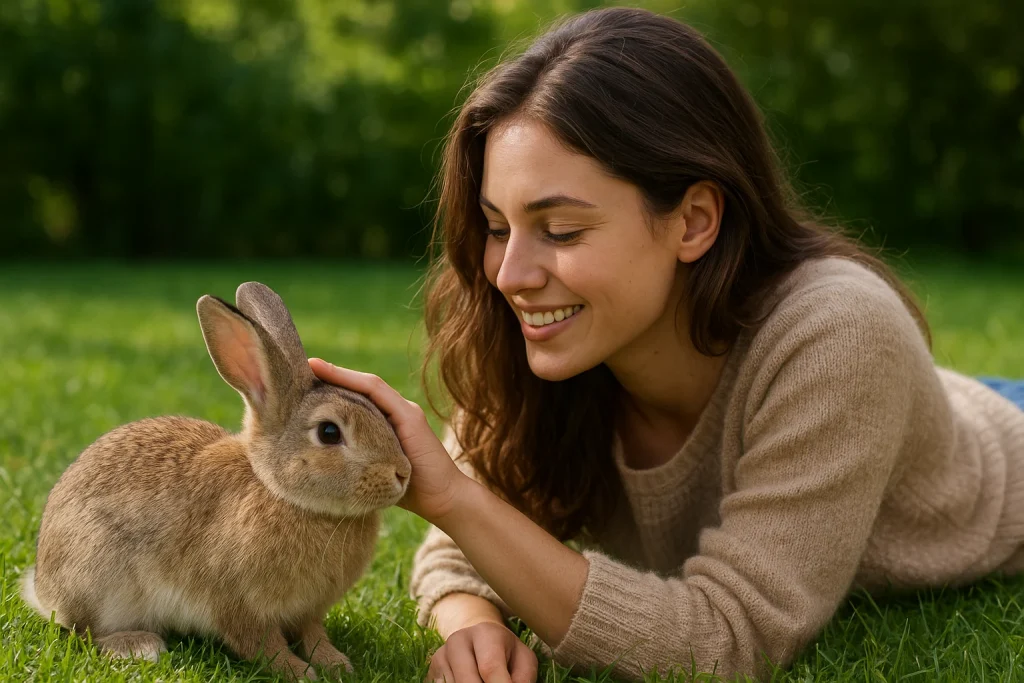
- Petting
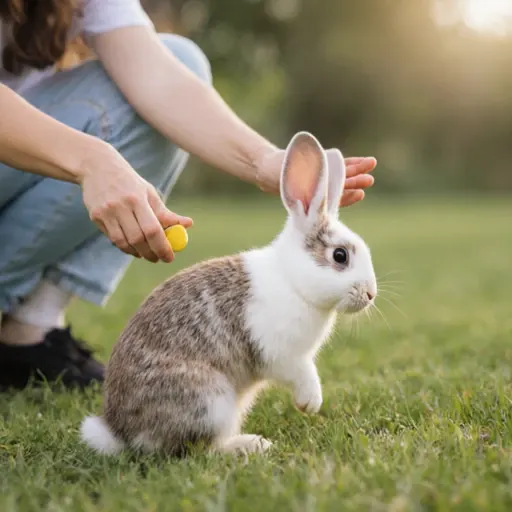
- Small treats
- Positive reinforcement is the key to fast, effective litter training. Avoid scolding for accidents—it can cause stress and delay learning.
Maintain a Clean Litter Box
Cleanliness is crucial. Remove droppings and replace soiled bedding daily. A clean box encourages your rabbit to continue using it and prevents accidents outside the box.
Be Consistent and Patient
Consistency is vital in learning how to train a pet rabbit to use a litter box. Stick to your routine, rewards, and box placement. Most rabbits learn within a few days to a few weeks.
Troubleshooting Common Issues
Observe their behavior for potty signs.
- Accidents outside the box: Check placement, cleanliness, and number of boxes.
- Multiple favorite spots: Gradually consolidate boxes into one or two primary locations.
- Chewing litter: Switch to hay-based or paper litter.
- Fear or stress: Ensure your rabbit feels safe and has enough space.
- Daily Routine for Fast Litter Training
- For faster results, create a daily routine:
- Place the rabbit in their play area with the litter box.
- Gently guide them to the litter box if they start to go elsewhere.
- Reward immediately after they use the box.
- Clean the litter box once or twice a day.
Repeat consistently every day.
Following a structured routine dramatically speeds up how to train a pet rabbit to use a litter box.
Common Mistakes to Avoid
- Changing box location too often: Rabbits need consistency to learn.
- Using unsafe litter: Avoid clumping or scented litter to prevent ingestion issues.
- Punishing accidents: Rabbits respond only to positive reinforcement.
- Ignoring natural habits: Observe your rabbit’s routine for the best training results.
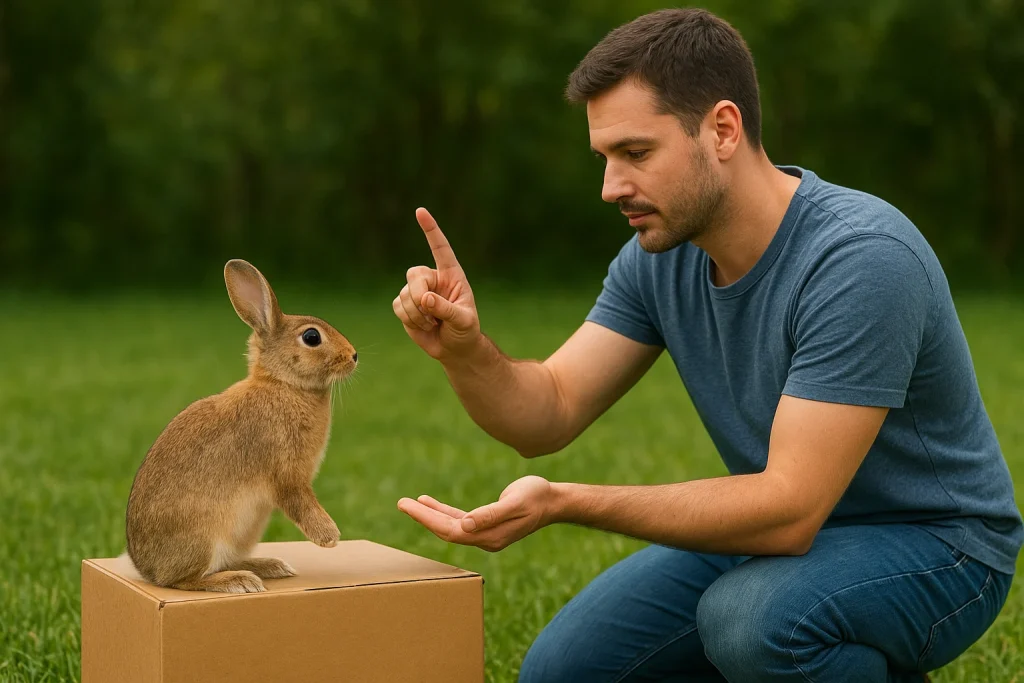
Bonus Tips to Learn How to Train a Pet Rabbit to Use a Litter Box Without Stress
- Give your rabbit plenty of space to roam in a rabbit-proofed area.
- Observe patterns: Rabbits often urinate after waking, after meals, or when they’re excited.
- Provide toys and enrichment to reduce stress-related accidents.
- Gradually reduce extra litter boxes as your rabbit becomes consistent.
- Use positive reinforcement consistently for the fastest results.
FAQs About Litter Training Rabbits
Q: How long does it take to learn how to train a pet rabbit to use a litter box?
A: Learning how to train a pet rabbit to use a litter box usually takes a few days to a few weeks. The exact time depends on your rabbit’s breed, personality, age, and how consistently you apply training techniques like positive reinforcement and proper box placement.
Q: Can baby rabbits be trained?
A: Yes, younger rabbits are often easier to train, but they may need more frequent guidance and supervision.
Q: What if my rabbit refuses the litter box?
A: Ensure the box is in a preferred spot, clean, and filled with hay. Reward any successful attempt and avoid punishment.
Q: Can rabbits share a litter box?
A: Some rabbits may share a box if they are bonded, but it depends on individual personalities.
Q: Is litter training stressful for rabbits?
A: When done with patience and positive reinforcement, litter training is low-stress and often enjoyable for your rabbit.
What Real Owners Say About How to Train a Pet Rabbit to Use a Litter Box
- Location & Setup Tips
- Many people say rabbits learn faster when the litter box is placed where the rabbit naturally likes to pee.
- Several mention that putting hay next to or inside the litter box encourages rabbits to hop in more often because they like to eat and poop at the same time.
- Some recommend multiple litter boxes in bigger spaces to reduce accidents, especially during early training.
- Type of Litter Box & Litter
- Several users say low-entry boxes work best, especially for young or older rabbits.
- Many warn against using clumping cat litter, saying it’s unsafe if ingested.
- Some recommend paper-based, pellet-based, or wood-stove pellets as the safest and most effective.
- Cleaning Habits
- Many people advise spot-cleaning daily and fully changing the box every few days, saying rabbits avoid dirty litter.
- A few mention that placing a paper towel with a bit of pee inside the box helps reinforce the scent and location.
- Routine & Behavior
- Some users say consistency is the #1 factor, keeping the box in the same spot prevents confusion.
- Others say to block access to areas where the rabbit keeps having accidents until training improves.
- A number of people say to avoid yelling or punishment, explaining that rabbits respond better to calm redirection.
- Spaying/Neutering
- Many users emphasize that spayed/neutered rabbits are much easier to litter train because marking decreases.
- Some say training is difficult or inconsistent before sterilization due to hormones.
- Treats & Positive Reinforcement
- Some recommend giving a small treat when the rabbit uses the box successfully.
- Others say that simply giving attention or gentle praise works well too.
- Expectation Setting
- Many note that even well-trained rabbits may leave a few “marking” poops around, and this is normal.
- Some say certain breeds or personalities learn faster than others, and patience is essential.
Conclusion
Rabbits are intelligent, naturally clean, and capable of learning litter box habits quickly. By understanding rabbit personality traits, selecting safe litter, placing boxes strategically, and using positive reinforcement, you can master how to train a pet rabbit to use a litter box efficiently.
Patience, consistency, and observation are the keys to success. With these techniques, even the most stubborn rabbits can learn to keep your home clean and enjoy a stress-free litter training experience.