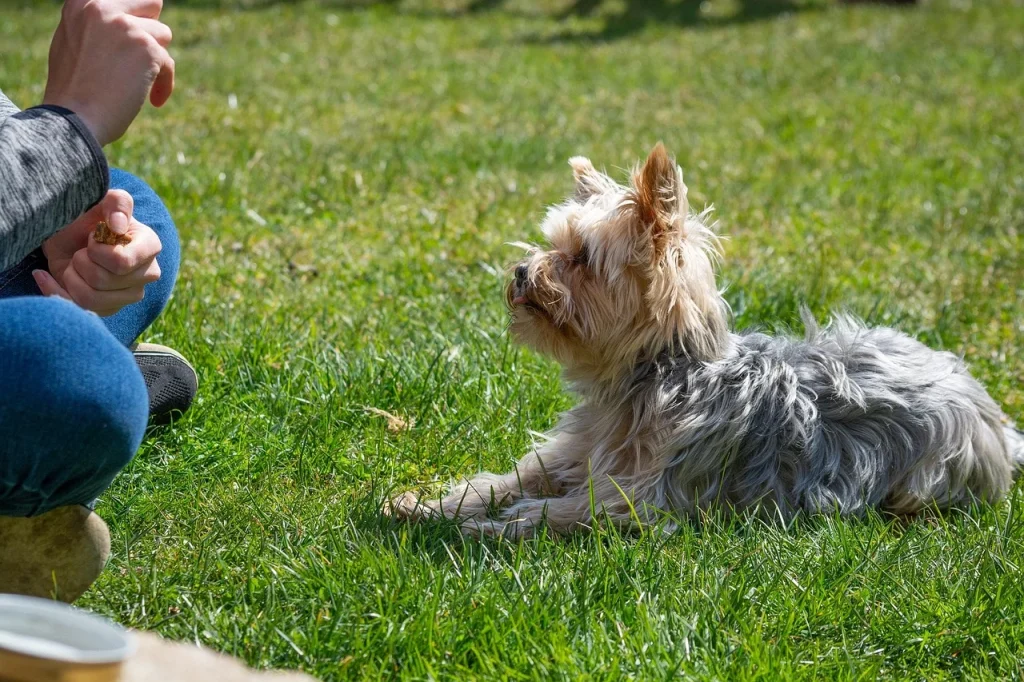

Many dogs make excellent companions, but four of the best dogs for emotional support are the Cavalier King Charles Spaniel, Golden Retriever, Poodle, and French Bulldog. These breeds are known for their affectionate nature, calm temperament, and strong bonds with their owners, making them especially comforting for people seeking steady emotional grounding and daily companionship.
7 Dog Breeds Known for Emotional Support
Emotional support dogs play a unique role in their owners’ lives. They aren’t required to perform specialized tasks like service dogs, nor do they have to meet strict working standards. Their job is simple but incredibly meaningful: to provide comfort, companionship, and a calming presence during difficult moments.
While any dog can form a deep emotional bond, certain breeds are naturally more intuitive, affectionate, and people-oriented. These qualities make them especially suited for emotional support roles. Below is a detailed look at seven top breeds known for bringing comfort and emotional grounding to their owners.
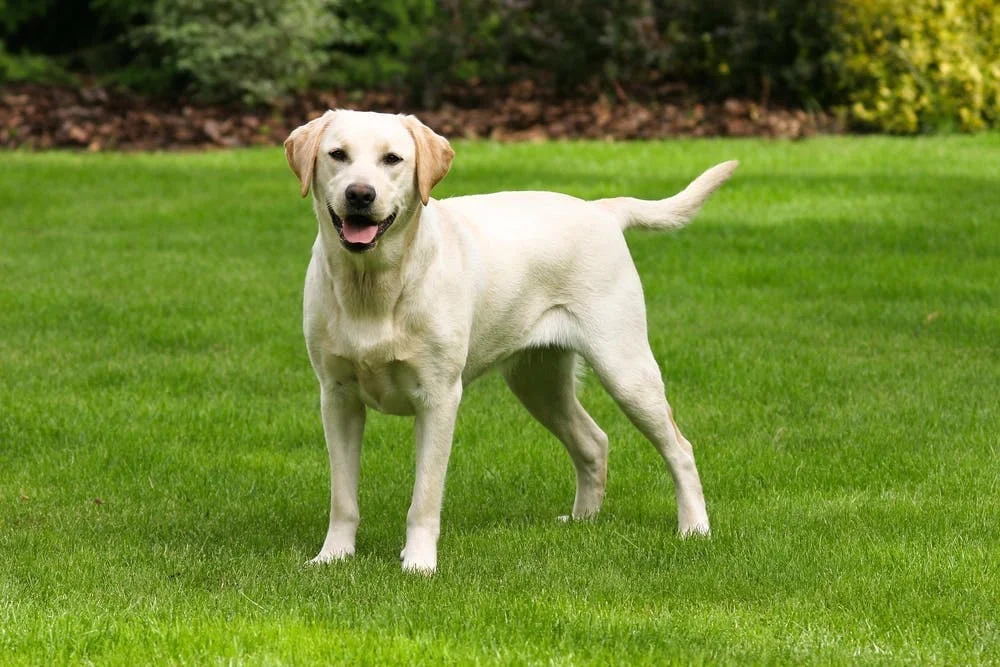
1. Labrador Retriever
Friendly, loyal, and highly affectionate, the Labrador Retriever is often considered the ideal emotional support dog. Labs thrive on human interaction and have a remarkable ability to stay calm in stressful situations. Their steady temperament makes them a great match for individuals dealing with anxiety, PTSD, or chronic stress.
Why they’re great ESAs:
- Remarkably patient and gentle
- Easy to train and responsive to owner emotions
- Adaptable to families, singles, or active lifestyles
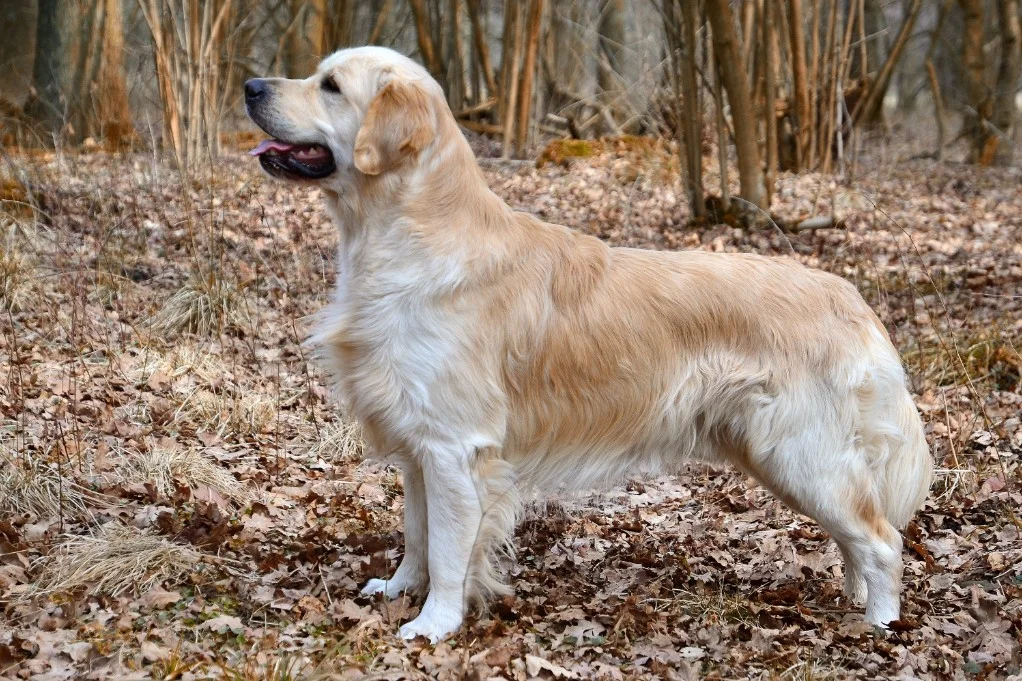
2. Golden Retriever
Golden Retrievers are famous for their warm and nurturing personalities. They seek connection naturally, often laying their head on their owner’s lap or staying close when they sense emotional distress. Goldens are dependable, loyal, and rarely reactive, making them ideal for individuals who need a reliable source of comfort.
Best for people who:
- Want a calm, steady companion
- Appreciate a highly affectionate dog
- Have space for a larger breed
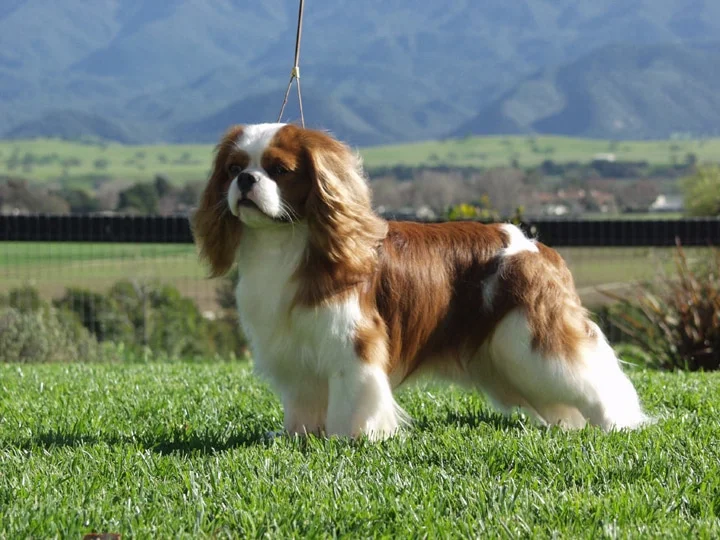
3. Cavalier King Charles Spaniel
Cavaliers are small dogs with big hearts. They’re gentle, loving, and incredibly people-focused. Unlike some small breeds that can be vocal or energetic, Cavaliers tend to be soft-tempered and easygoing. They love cuddling and make excellent companions for people living in apartments or quieter homes.
Top traits:
- Excellent lap dogs
- Naturally soothing and affectionate
- Great for people who want a low-stress, low-maintenance breed
4. Poodle (Toy, Miniature, or Standard)
Poodles are one of the most emotionally intelligent dog breeds. They quickly pick up on mood changes and respond with steady affection. Their non-shedding coat also makes them a popular choice for people with allergies. Since Poodles come in three sizes, there’s an option for nearly every lifestyle and living arrangement.
Why they excel:
- Highly trainable and intuitive
- Hypoallergenic coat
- Incredible emotional awareness
5. Corgi
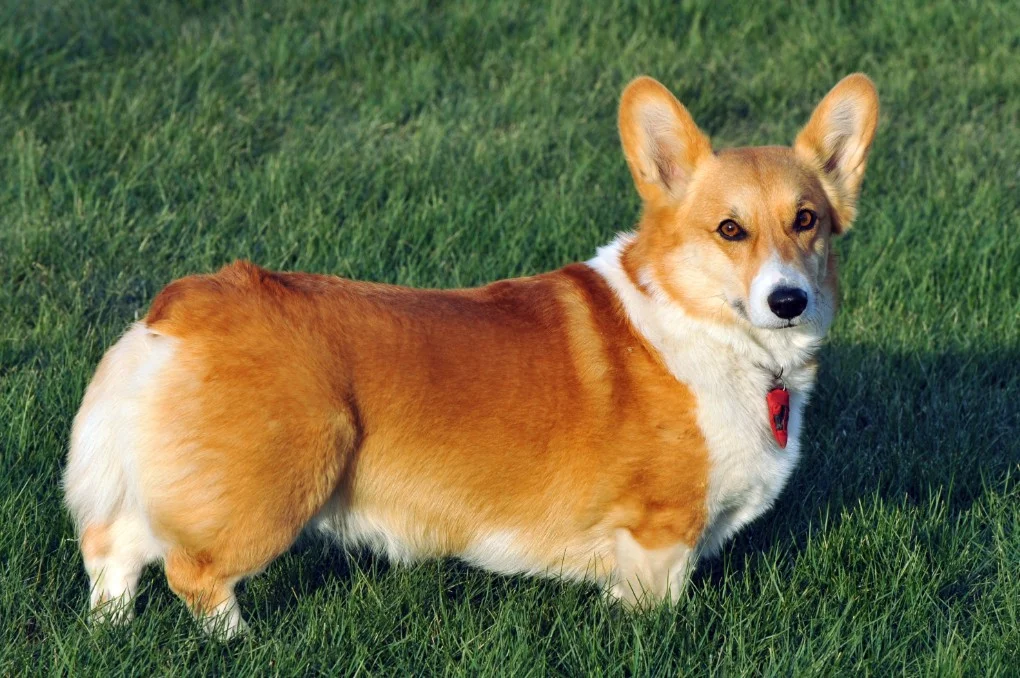
Corgis may have short legs, but they have big personalities. Known for their cheerful nature, Corgis bring a sense of joy and lightness to their households. They form strong bonds and enjoy being involved in daily routines, which can help bring structure and emotional balance to their owners’ lives.
Good for owners who:
- Prefer an energetic but manageable sized dog
- Enjoy playful companionship
- Benefit from a dog that encourages regular activity
6. French Bulldog
French Bulldogs are calm, clingy in the sweetest way, and incredibly loyal. Their gentle, laid-back temperament makes them perfect for people who want companionship without the pressure of high exercise needs. They enjoy being cuddled and staying near their owners, offering comfort simply through presence.
Why they’re top ESAs:
- Low-energy and affectionate
- Ideal for apartment living
- Naturally comforting and easygoing

7. Border Collie
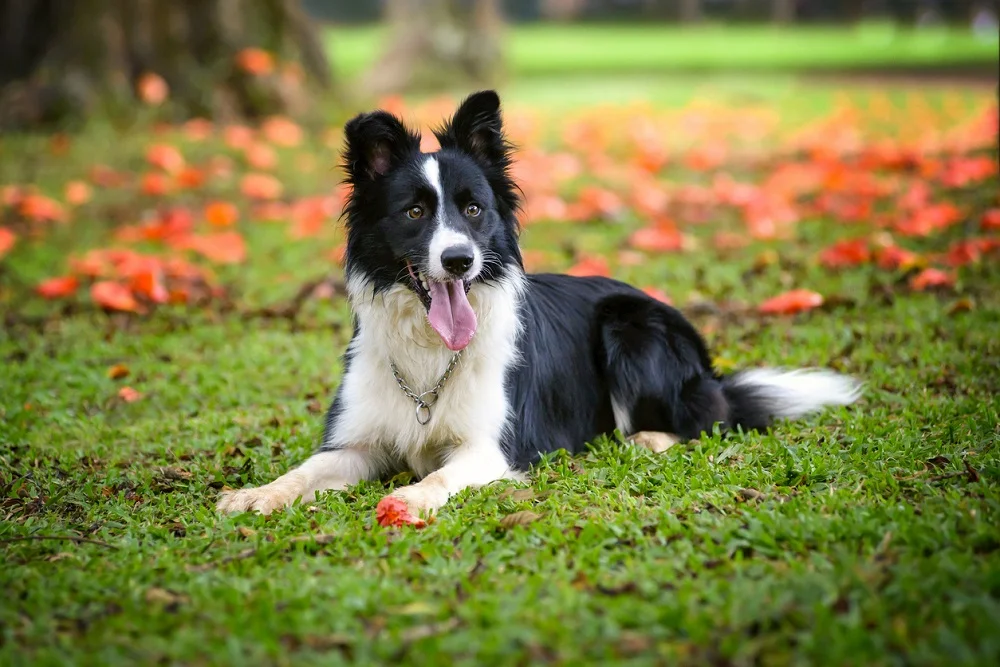
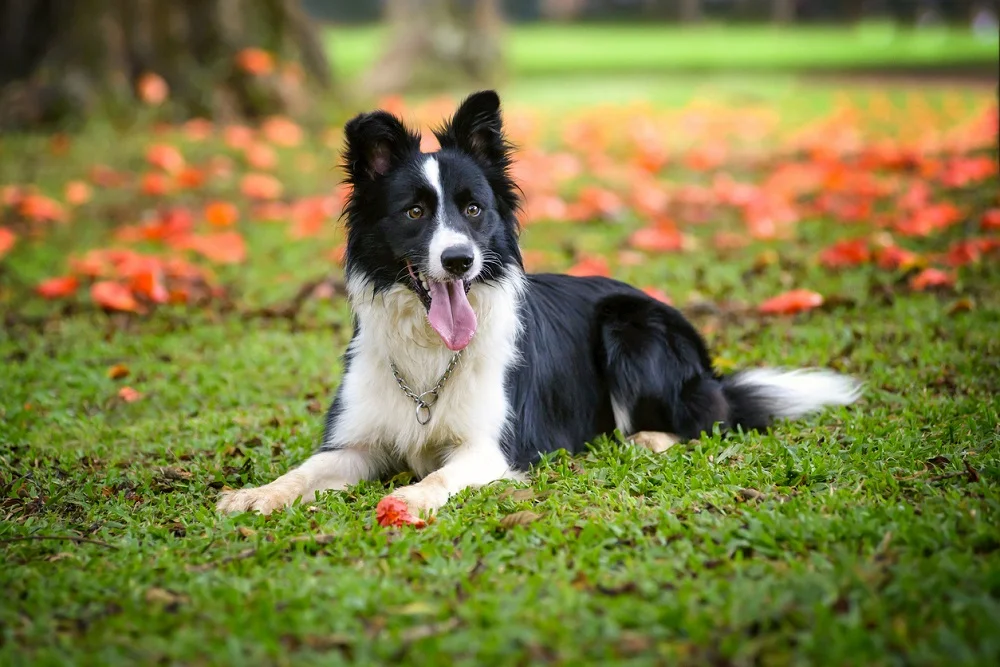
Border Collies are known for their intelligence and emotional sensitivity. They’re great for people who cope best with routine, structure, and physical activity. These dogs thrive on mental stimulation and form deep emotional connections with their owners. Despite their energetic nature, Border Collies are extremely gentle and intuitive.
Ideal for:
- Active individuals
- People who benefit from daily structure
- Owners who enjoy training and interactive activities
How to Choose the Right Emotional Support Dog
Selecting the right breed is only part of the journey. The best emotional support dog for you depends on your lifestyle and emotional needs.
Consider:
- Your activity level – Do you prefer a relaxed dog or a more energetic companion?
- Size of living space – Some breeds adapt better to small apartments.
- Allergies – Hypoallergenic breeds like Poodles may be important.
- Temperament match – You want a dog whose energy complements your own.
- Time for bonding and care – All ESAs need love and interaction.
Remember, emotional support is built through a deep bond—not just breed characteristics. A mixed breed or shelter dog can be just as comforting and intuitive as any purebred.
Frequently Asked Questions (FAQs)
1. Do emotional support dogs need special training?
No. Unlike service dogs, ESAs do not need task-specific training. They only need to be well-behaved, calm, and bonded with their owner.
2. Can any dog be an emotional support dog?
Yes. Any breed, age, or size can become an ESA if they provide comfort and emotional stability. However, some breeds naturally excel due to temperament and personality.
3. Do I need documentation for an ESA?
If you need housing protections under ESA laws, a licensed mental health professional must provide an ESA letter. There is no official registry.
4. Are emotional support dogs allowed in public places like service dogs?
No. ESAs do not have public access rights. They are allowed in housing (with an ESA letter) and on some airlines depending on current airline policies.
5. Are smaller breeds better for emotional support?
Not necessarily. Some people prefer the calm presence of larger breeds, while others enjoy the closeness of smaller ones. It depends on your personal comfort and living space.
6. Are emotional support dogs good for anxiety and depression?
Yes. Many people find that regular affection, routine, and companionship help reduce symptoms of anxiety, depression, loneliness, and stress.
7. How do I know if a breed is a good match for me?
Think about your daily life: your schedule, activity level, patience for training, and whether you prefer a calm or energetic dog. Meeting the dog in person is the best way to judge the connection.