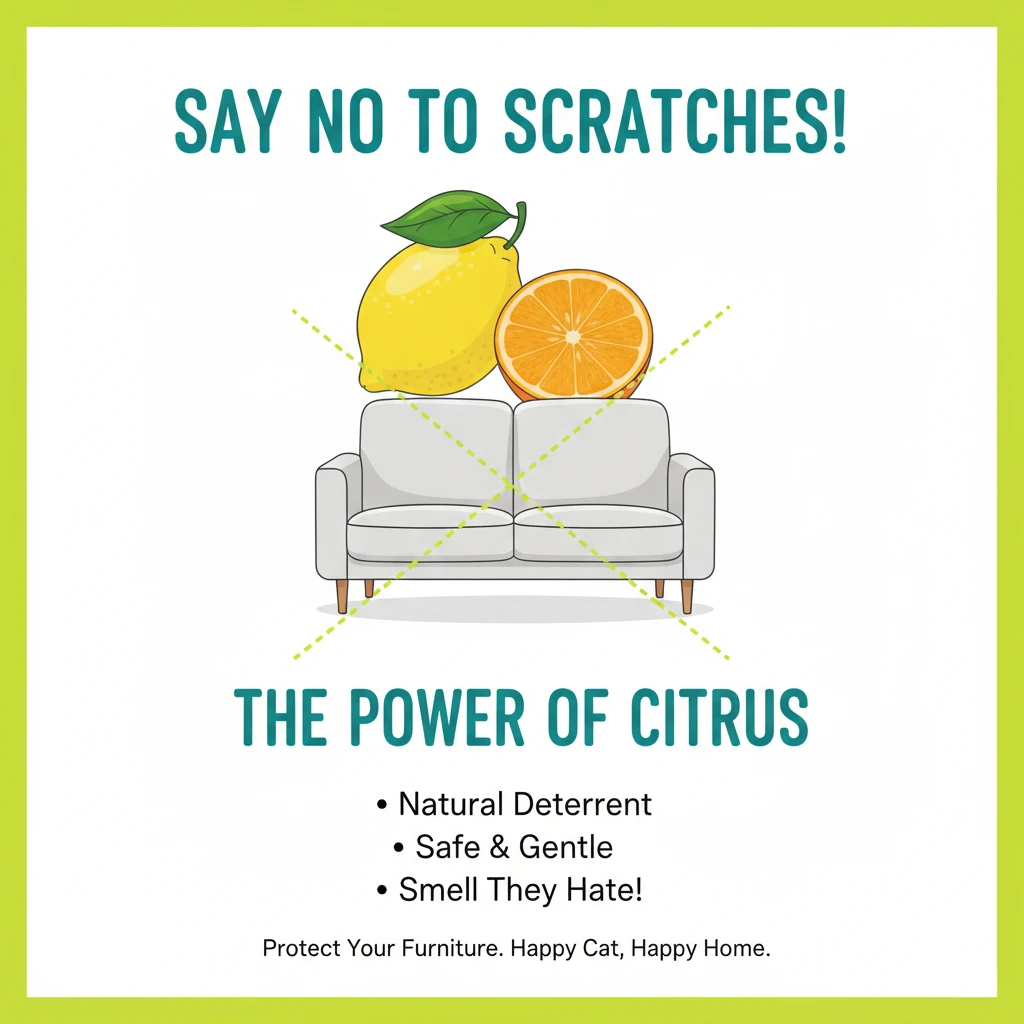
What smell do cats hate to stop scratching? The most reliable and widely accepted scent that will deter a cat from scratching your furniture is the powerful, sharp aroma of citrus. Cats are extremely sensitive to strong smells, and the acidity and pungency of lemons, oranges, limes, and grapefruit are overwhelmingly unpleasant to their refined noses.
By applying the peels of these fruits or using a heavily diluted homemade spray, you can create an invisible boundary that makes an object instantly undesirable. Other effective deterrents include the acidic smell of white vinegar and certain strong herbal scents like rosemary, but citrus remains the primary, non-toxic household solution for protecting upholstery and woodwork from unwelcome claw marks.
When trying to stop this instinctual behaviour on inappropriate objects, the solution lies in leveraging your cat’s most acute sense: smell. Cats have an olfactory system far superior to ours, making them intensely sensitive to certain pungent odours. The most universally effective deterrent? The bright, sharp smell of citrus.
Why Citrus is the Enemy of Unwanted Scratching
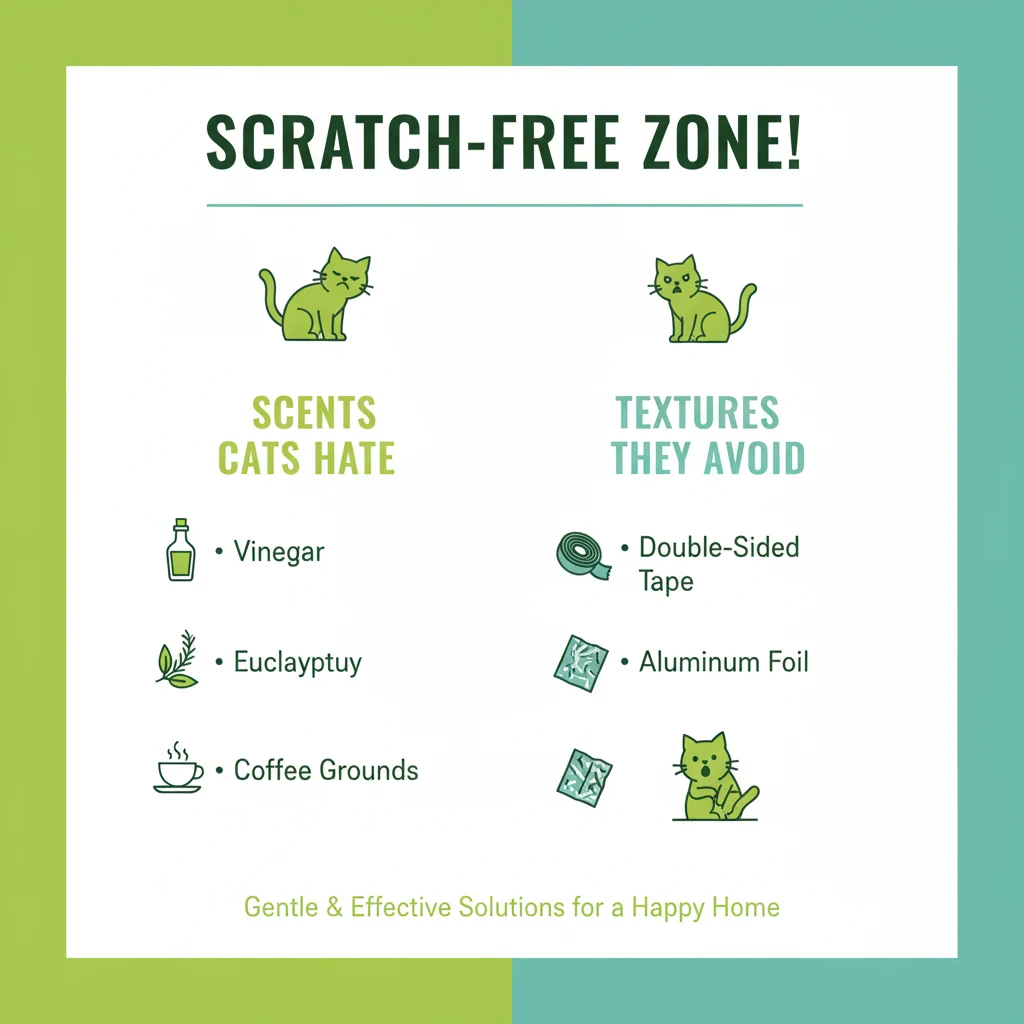
Cats have a strong, innate aversion to the pungent, acidic aroma of citrus fruits—lemons, limes, oranges, and grapefruit. While we might find the scent invigorating or fresh, to a sensitive cat nose, it’s overwhelming and off-putting. This dislike makes citrus the gold standard for non-toxic, gentle deterrents.
- DIY Application: To protect furniture, the easiest method is to use the citrus peels themselves. Rub the fresh peel of an orange or lemon directly onto hard, non-porous surfaces like wooden table legs or window sills. This releases the essential oils without the associated risks of concentrated commercial oils.
- Fabric Friendly Spray: For fabric items like carpet edges or upholstery, a simple homemade spray works wonders. Bring some citrus peels (a few lemons or oranges’ worth) to a boil in water. Let the mixture cool completely, strain out the solids, and place the liquid in a clean spray bottle. Lightly mist the targeted area. This delivers a deterrent scent without soaking the fabric.
Crucial Note: Before applying any mixture to fabric, always test a small, hidden spot (like the back or underside of a cushion) to ensure the liquid won’t leave a permanent stain or lighten the colour.
Other Powerful Scent Deterrents
While citrus reigns supreme, several other strong, natural scents can signal “Keep Off!” to your cat, providing alternative options if citrus isn’t effective or suitable for your space.
| Scent Deterrent | Application Method | Notes & Cautions |
| White Vinegar | Dilute 1:1 with water and apply as a light spray. | The acidic smell is strong, but it dissipates relatively quickly for humans. Avoid spraying near the cat’s food or litter box. |
| Rosemary | Grow the plant near areas you want protected, or use a very weak, strained herbal tea as a spray. | The strong herbal scent is often disliked. Use only the herb itself, not concentrated essential oil. |
| Eucalyptus | Use commercially available, pre-diluted, cat-safe repellent sprays containing eucalyptus. | The camphor-like smell is repellent. Never use concentrated eucalyptus essential oil, as it is highly toxic to cats. |
| Coffee Grounds | Place a small saucer or pile of dry, used grounds near the item. | The strong, bitter aroma can be an effective barrier, especially for potted plants or garden areas. |
The Essential Safety Guardrail: Avoiding Essential Oils
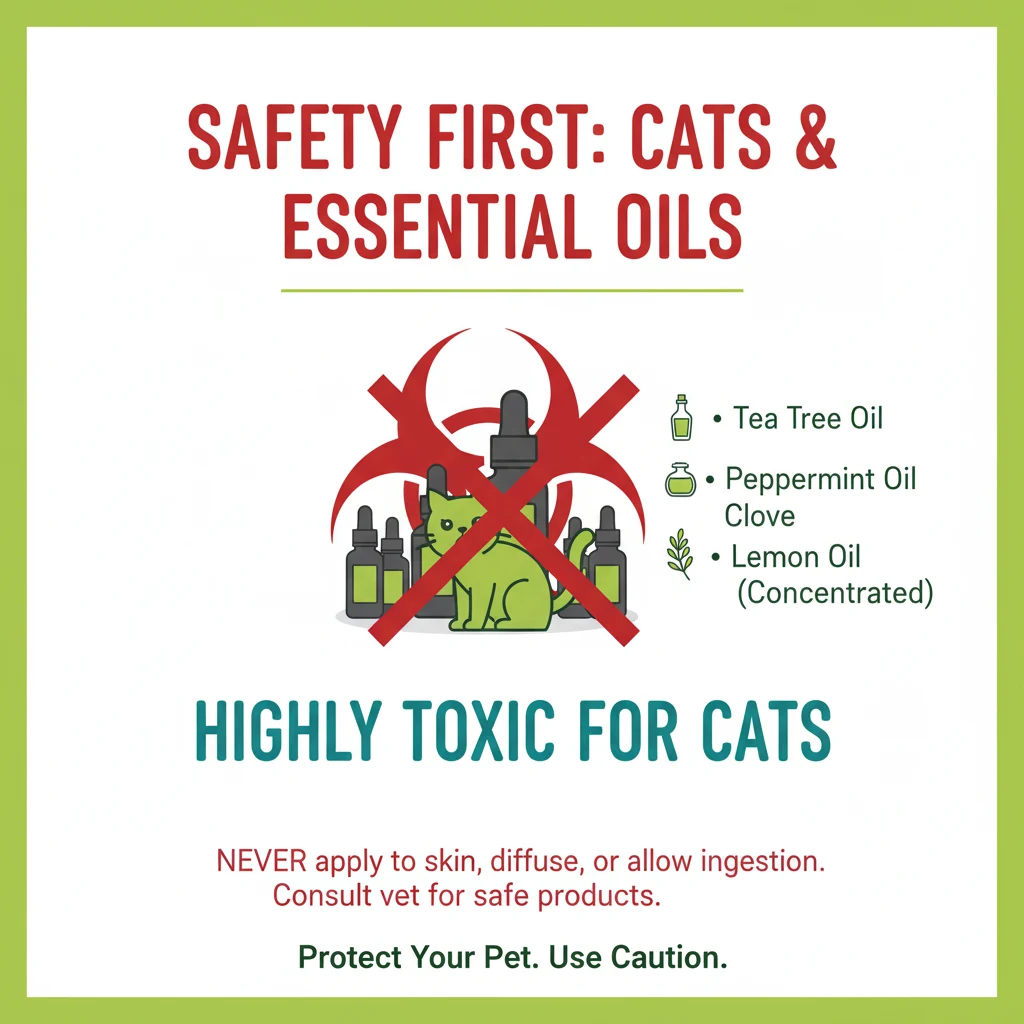
This is perhaps the most important detail: while scents are effective, concentration matters. Concentrated essential oils like tea tree, peppermint, clove, pennyroyal, wintergreen, and even concentrated lemon oil pose a serious threat to cats. Felines lack a specific liver enzyme (glucuronosyltransferase) that mammals use to break down the phenols found in many oils. This means the toxins build up quickly, leading to symptoms ranging from drooling and vomiting to liver damage and even failure.
Always stick to the diluted, non-toxic methods like rubbing the fresh citrus peel or using heavily diluted commercial sprays specifically formulated and labelled as cat-safe.
The Complete Anti-Scratch Strategy
Using a repellent scent is only half the battle. To truly solve the problem, you must redirect the behaviour. Your strategy should be three-fold:
- Make the Wrong Place Unpleasant: Use the repellent scent (e.g., citrus spray) and make the texture unappealing. Covering the desired scratching area with double-sided sticky tape or a sheet of aluminum foil works wonders, as cats hate the feeling of sticky or crinkly surfaces under their paws.
- Provide the Right Outlet: Offer a scratching post that is better than your furniture. The best posts are tall (allowing for a full, satisfying stretch) and sturdy (they must not wobble). Most cats prefer sisal rope or corrugated cardboard.
- Encourage Positive Use: Place the new scratcher right next to the item the cat currently targets. Make it enticing by rubbing it with catnip or dangling a favourite toy near it. When your cat uses the post, reward them instantly with praise, a pat, or a tiny treat. This positive reinforcement reinforces the correct behaviour much more effectively than punishment.
By combining an unpleasant, yet safe, odour with a desirable, readily available scratching post, you can satisfy your cat’s natural instincts while keeping your home intact.